By Alex Jensen
SEOUL
"I can't believe I may face deportation instead of getting compensation.”
An indignant Shin Eun-mi told reporters during what looks like her last week in South Korea for some time -- as Seoul prosecutors announced Wednesday plans to deport her as early as Friday for promoting North Korean ideals and defending Pyongyang's leadership.
The 53-year-old author, most notably of a North Korea travelogue, will not be allowed to return to the South for five years in line with the country's National Security Act -- which forbids even praising the North's regime.
But not so long ago, in 2013, her bestselling “Korean-American Ajumma Goes to North Korea” was recommended by the culture ministry.
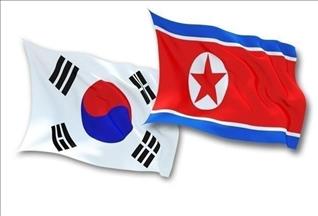
Unlike Shin, a United States citizen, South Koreans are heavily restricted from travelling to North Korea without permission as the neighbouring countries have been technically at war since 1950.
The author's standing took a rapid turn toward the end of last year during a so-called 'talk concert' tour, which was abandoned after being widely criticised as a pro-North forum -- a protester even set off a crude explosive at one public discussion.
In November, local conservative groups filed a complaint against Shin and her co-host Hwang Sun, a South Korean activist famous for giving birth in North Korea in 2005.
North Korean refugees in the South have also alleged that Shin and Hwang spread false information by suggesting that most defectors want to return to the North.
"I don't believe I undermined the national security of South Korea," Shin insists. "If I did, why did the government select my book as a recommended one in the first place? I just gave lectures and filmed a documentary based on the book."
As of this week her travelogue is no longer on the culture ministry's reading list, and Shin claims she has suffered both financial and personal damages over the furore.
While Hwang is one of a series of South Korean citizens to be accused of sympathizing with North Korea, it has been rare for foreigners to be prosecuted under the National Security Act.
Amnesty International has condemned the law, which was described in 2013 by then U.N. special rapporteur for human rights defenders Margaret Sekaggya as "seriously problematic for the exercise of freedom of expression."