DIYARBAKIR, Turkey
Turkey’s “solution process” - the talks between the government and pro-Kurdish party that began in 2012 - saw a marked improvement in industry, agriculture and tourism across the Kurdish-majority regions of the country’s south and east, according to officials.
A cease-fire in 2013 sought an end to a 30-year conflict between the state and the outlawed Kurdistan Workers’ Party and, according to statistics provided by official sources, saw dramatic changes to life in the region.
Investment advanced not just the economy but also areas such as education and health provision.
Bahattin Celik, who heads the Siirt industrial zone, reported that the number of factories in Batman rose from 50 to 75 during the cease-fire while 200 investors are still waiting for land.
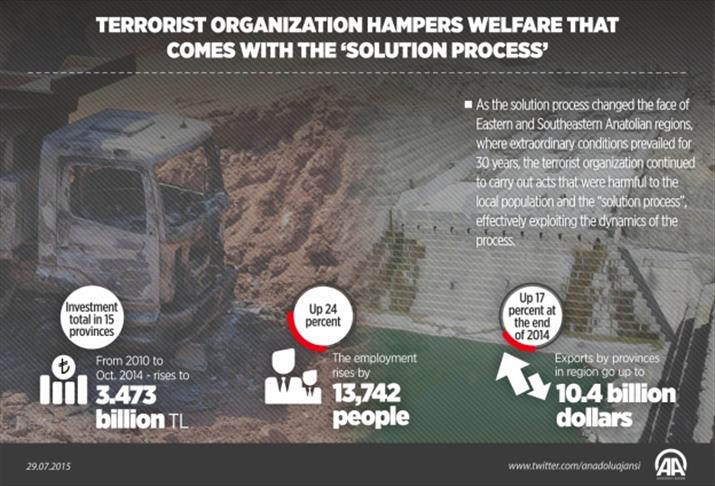
The New Incentive Law, passed in June 2012, encouraged investment in eastern and southeastern cities. Economy Ministry data showed that investment planned for 15 cities more than doubled, rising to 3.5 million Turkish liras ($1.3 million).
Meanwhile, employment increased by 24 percent, according to the ministry.
The Turkish Statistical Institute reported that exports from the 23 eastern and southeastern provinces rose from $9 billion in 2012 to $10.4 billion at the end of last year.
With the restoration of peaceful conditions, around 188,000 people returned to the region with help from a project to help rehabilitate residents in their former homes, the Interior Ministry said.
During the conflict, more than 386,000 fled the region, according to the government.
Agriculture also prospered during the solution process years. In May last year, Agriculture Minister Mehmet Mehdi Eker said nearly half of Turkey’s 14.6 billion (36 billion acres) hectares of agricultural land could be found in eastern Anatolia.
The advent of calm saw tourists return to visit the region’s historic cities and breathtaking nature spots.
Huseyin Aksoy, governor of Diyarbakir province, said there had been a 130 percent rise in foreign tourist numbers over the last two years and a 35 percent increase in Turkish visitors.
This year around 1 million have visited Mardin, compared to approximately 400,000 last year, Mardin Governor Ahmet Cengiz said.
However, the violence that has followed last week’s suicide bomb attack in Suruc, which saw 32 people killed, could put this progress in jeopardy.
A week before the Suruc attack, the Kurdistan Communities Union, an umbrella organization that includes the PKK, threatened to attack dams and announced the end of the cease-fire.
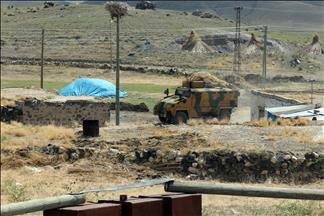
Militants have subsequently set fire to vehicles and equipment being used on infrastructure projects and, after Suruc, carried out attacks on security forces.
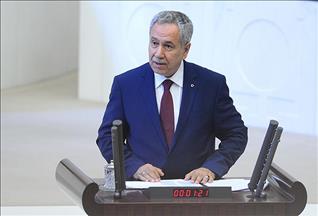
On Wednesday, Prime Minister Ahmet Davutoglu said 657 attacks had taken place across Turkey since the June 7 general election. At least 52 people, including 11 security forces personnel, have been killed and 204 people, including 94 soldiers and police, were injured.
As well as the PKK - recognized as a terrorist organization by Turkey, the EU and the U.S. - the state is also combating Daesh and the Revolutionary People's Liberation Party-Front.