ANKARA
Turkish citizens are set to vote on June 7 in the country’s 25th general election, amid a busy national agenda that includes the process of drafting a new constitution.
The ruling Justice and Development or AK Party, which has been in power over a decade, will seek to remain at the helm with a single-party government.
The party will face a momentous post-election agenda, which includes the two interlinked items of managing the process of drafting a new constitution and possibly introducing a presidential system of governance in lieu of Turkey’s parliamentary democracy.
While the former appears a must and finds its way into the election programs of major parties, the latter is highly dependent on election success.
The AK Party will need at least 330 seats to be able to take either the presidential system or the new constitution to a referendum. It currently has 312, having won over 49 percent of the votes in the 2011 general election.
The issue of a potential presidential system has been a hot topic in Turkey for the past few months. A constitutional amendment or a new constitution would be needed to establish such an executive presidential system.
Turkey’s current constitution was drafted two years after a military takeover in 1980 and numerous amendments have been made to it since then.
Among the highlights of this year’s election is the question of whether the Peoples’ Democratic Party (HDP) will be able to gain seats in the parliament.
If the party passes the 10 percent electoral threshold, it will be able to win at least 50 to 60 seats, which will be seats lost mostly for the ruling party due to the nature of the election system, therefore making coalition a possibility.
It is the first time that the HDP, following a traditional pro-Kurdish stance but reaching out with an emphasis on rights and freedoms, enters the elections as a party rather than independent candidates.
Its forte seems to be the southeastern region which has the highest concentration of Kurdish population, but it seeks to attract more urban voters from Western cities, most importantly Turkey’s powerhouse and global hub, Istanbul.
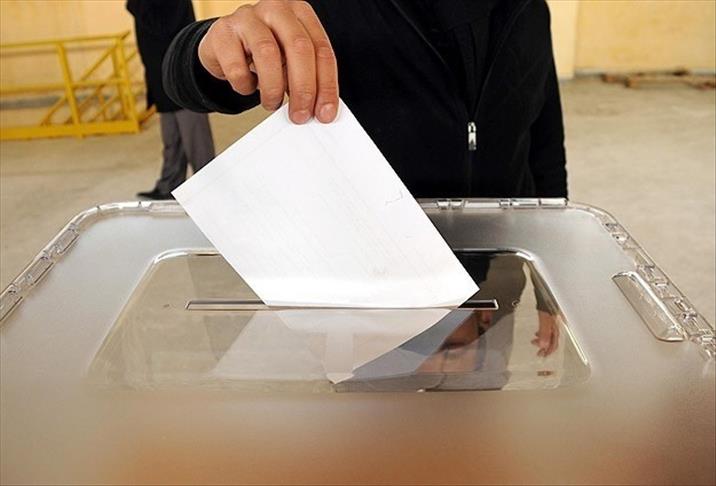
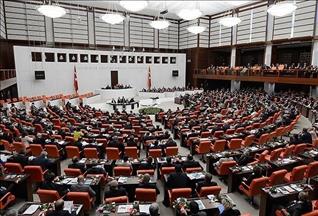
Nearly 56 million Turkish citizens will be eligible to vote come June 7 to choose 550 lawmakers into the Turkish Grand Assembly, representing 85 constituencies in 81 provinces.
Twenty parties will compete in the elections, including the ruling Justice and Development (AK) Party, the main opposition Republican People’s Party (CHP), the Nationalist Movement Party (MHP) and the Peoples’ Democratic Party (HDP), along with 165 independent candidates who will seek votes across Turkey.
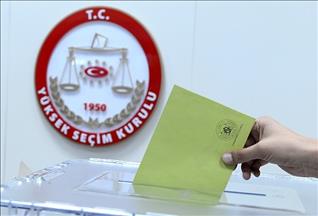
The voting will start nationwide at 08:00 a.m. (0600 GMT) and finish at 05:00 p.m. (1500 GMT). Turkish nationals living abroad will be able to cast their votes between May 8 and May 31.
Campaign restrictions began Thursday, 10 days before the elections and will end on June 6.
During this period, parties will be able to do propaganda in visual and written form using publications and websites, except that they will be barred from sending messages to citizens’ cell phones or landlines.
Publishing and distributing election surveys will also be banned.
Additionally, government officials will not be able to hold opening or groundbreaking ceremonies for publicly funded infrastructure or services, and will not promote them.
The prime minister and ministers will not be able to use state-allocated vehicles in election trips and will not host official banquets or other ceremonial events for campaign purposes during such trips.
About 74 million ballot papers are to be printed, of which about 4 million ballots allocated to voters abroad at 33 custom gates and 112 Turkish missions.