By Francis Maingaila
LUSAKA, Zambia
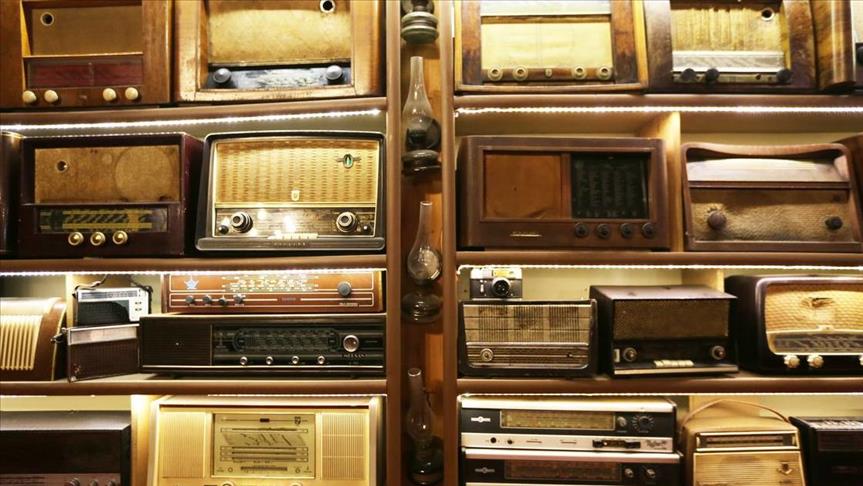
Broadcasters in Zambia are claiming that a recent wave of violence has forced some community radio stations to suspend political programming and news reporting.
Zambia Media Forum for Community Radio Stations Acting Chairman Dickson Phiri told Anadolu Agency that suspected political cadres are breaking into media studios to attack producers and their guests.
He was speaking amid a series of attacks in recent weeks being blamed on suspected supporters of Zambia’s ruling Patriotic Front (PF).
Zambia is to hold a national election in 2016 to elect the 14.5 million-strong country’s president and national assembly.
Suspected PF cadres stormed Radio Breeze on Nov. 30, where they beat up the president of the leftist Rainbow Party, Winter Kabimba, his entourage and journalists who had gathered for a political program.
Property belonging to the station was also destroyed.
The attack followed claims by an official spokesman last month that some stations were “anti-government”.
Chief government spokesperson Chishimba Kambwili also threatened to revoke broadcast licenses, accusing certain stations of not only being pro-opposition but also featuring guest speakers who have a tendency to “paint the government black”.
“As a government we are aware that some community radio stations are pro-opposition and anti–government,” he said.
“The government has therefore instructed the Independent Broadcast Authority and police to investigate these allegations and those that will be found wanting will have their broadcast license revoked,” Kambwili told a news conference in the capital Lusaka.
However, journalists have said the attacks and pressure are preventing reporters for doing their jobs.
“Disrupting political programs is tantamount to denying members of the public right to information,” said Phiri.
The station manager of Chikaya Community Radio, Rabson Mumba, told Anadolu Agency the station's management were considering ending some reporting.
“We are equally entertaining the idea of stopping broadcasting political news and programs. It is both for the safety of our staff and property,” he said.
Violation of human rights
Similarly, Feel Free Community Radio station manager Jaclyn Mutoleka said her station would also quit broadcasting political news and programs after two of their journalists, who remain in hospital, were beaten up.
Accusing the government of withdrawing security from private media houses, she said such a move had left some broadcasters exposed to violence.
“This makes us vulnerable to attack, sometimes in full view of the police who also seem to be scared of political cadres.
“If you asked me for my honest opinion, the solution is to quit reporting on political matters and this is what we are considering doing in the coming days,” she added.
According to Phiri, the media is there to educate, inform and disseminate information to the community at large.
“To disrupt such activities, therefore, is a gross violation of human rights as provided for by both local and international law.
“It is for this reason some community radio stations across the country have resolved to discontinue broadcasting political news and programs.”
Phiri expressed regret that some media groups had resolved to put a stop to airing news and political programming.
“The media has a duty to inform and educate the public," he said. "Stopping airing political programs is equal to denying the citizens the right to information.
“It is against this background, we feel, [that] stopping airing political news and programs will not affect politicians, but the community to which the information is targeted.”
Kabinga Pande, a lawmaker and member of Zambia’s Parliamentary Committee on Information and Broadcasting, urged the police to protect journalists against indiscriminate attack.
“We need journalists more than they need us. It is against this background I urge the police to make it their priority to protect them during the course of their duty,” Pande told Anadolu Agency in an interview.
Zambia has 16 community-owned local radio stations, 24 community commercial and religious broadcasters and three educational campus stations.
Other than some community radio stations that have stopped airing political news and programs, other conventional media have continued, although access to some online news sources critical of the government has been blocked.