21 April 2016•Update: 22 April 2016
By Zakaria al-Kamali
SANAA, Yemen
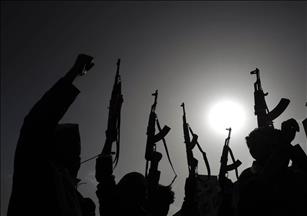
Yemen's warring parties are set to meet in Kuwait on Thursday for a new round of UN-brokered talks aimed at ending a one-year conflict in the poor Arab country.
The talks were scheduled to start on Monday, but representatives of the Shia Houthi group and former President Ali Abdullah Saleh failed to attend.
The Houthis and their allies have demanded a total cessation of Saudi-led airstrikes in Yemen and for amending the agenda of the talks before traveling to Kuwait to join the UN-sponsored consultations.
They later changed their mind and decided to join the negotiations after mediation from Gulf and western countries.
A Houthi source earlier told Anadolu Agency that the Shia group has received assurances from the UN that the Saudi-led airstrikes in Yemen would stop.
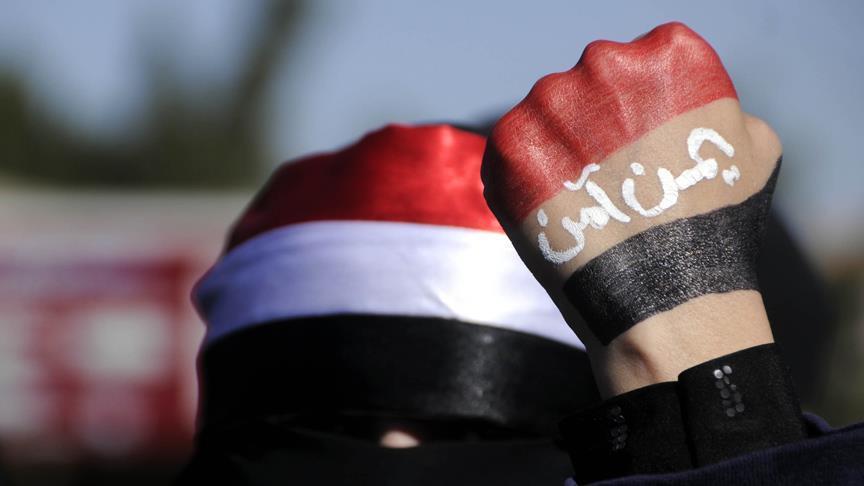
Many Yemenis see the talks as a new opportunity to end the conflict in their country, which has caused a major humanitarian crisis in Yemen and displaced around 2.5 million from their homes.
Meanwhile, the U.S. welcomed the start of the talks, urging the parties to fully "engage in good faith" to the process.
The U.S. was also encouraged by the recent truce but remained concerned about the humanitarian situation, a State Department spokesman said.
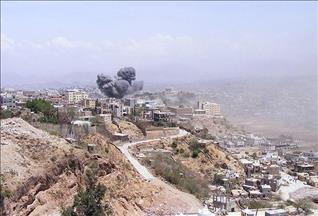
Previous rounds of UN talks in June and December between Yemen's warring parties failed to end the conflict, which has killed more than 6,400 people, about half of them civilians.
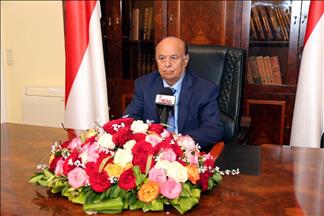
Yemen fell into violence in September 2014 when the Houthis and pro-Saleh forces overran capital Sanaa and several provinces, forcing President Abd Rabbuh Mansour Hadi and his government to temporarily flee to Riyadh.
Saudi Arabia and Arab allies accuse the Houthis of being an ally to regional foe Iran and have launched a massive air campaign to reverse the Houthi gains and restore Hadi's government.
Backed by Saudi-led airstrikes, the Hadi government forces have managed since July to reclaim large parts of the south of the country, including the provisional capital Aden, but have been unable to retake Sanaa and other key areas held by the Shia group.
Thursday's talks come amid an unprecedented calm along the border between Yemen and Saudi Arabia since last month when the Houthis agreed with Riyadh to reduce attacks on Saudi territory in exchange for a halt of airstrikes on Sanaa. Since then, the two sides carried out a prisoner swap.
Houthi withdrawal
UN spokesman Stephane Dujarric said the peace talks will focus on the implementation of Security Council resolution 2216, which recognized Hadi and demanded the Houthis to hand over cities and surrender arms.
He said the Yemeni rivals are expected to develop a framework that paves the way to a peaceful and orderly process based on a Gulf Cooperation Council (GCC) initiative and the outcomes of the National Dialogue Conference.
Under the GCC initiative, former president Saleh agreed to step down in 2012 following mass protests against his rule.
UN mediator Ismail Ould Cheikh Ahmed said last month that the talks will tackle the need to take interim security measures and have the militias hand over the cities, surrender arms and release prisoners.
He said the talks will also discuss the launch of a comprehensive political dialogue in Yemen and the establishment of a panel to determine the fate of prisoners held by the warring sides.
The Houthis and their allies, for their part, want UN sanctions imposed on Houthi leaders and Saleh be lifted and the reconstruction of Yemen by the Saudi-led coalition, political sources told Anadolu Agency.
Yasser al-Awadi, a representative of Saleh, said on Twitter that their delegation will press during the fresh talks for "a state that represents all sides".
During the last round of UN talks in December, the Hadi government had reportedly dropped its demand for the release of prisoners held by the Houthis in an effort to render the negotiations a success.
According to government sources, a special panel will be formed during the UN talks in Kuwait to discuss the fate of the prisoners.
*Anadolu Agency Correspondent Esra Kaymak contributed to this report from Washington.