By Erol Avdovic
NEW YORK
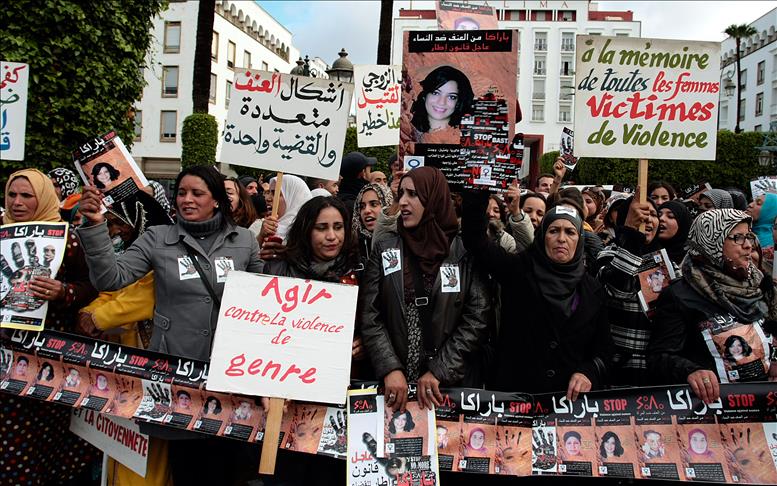
Gender-based violence is a “gross human rights violation” and a “pandemic”, said United Nations Women (Department) deputy executive director Lakshmi Purion on Monday.
The UN is working in 81 countries to stop violence against women, with governments and with civil societies and other national partners. In addition to those countries UN is working in 37 conflict countries were ending violence against women is prioritized Puri told AA.
She said UN is engaged on that issue in may conflict countries from Afghanistan to the Africa Great Lakes region including Mali, DRC (Democratic Republic of Congo) up to Syria, (although not directly involved). “But we are working both in Jordan and Lebanonese refugee camps.”
Puri noted that violence takes many forms _ physical, psychological, economic and sexual. She said it is more dangerous to be a woman in conflict and post-conflict situations than to be a soldier, given the “use of rape as a war tool.”
UN says rape committed during war is intended to terrorize the population, break up families, destroy communities, and change the ethnic make-up of the next generation. This happened from 1992 to 1995 during the war in Bosnia and Herzegovina.
UN agencies estimate that more than 60,000 women were raped during the civil war in Sierra Leone (1991-2002), more than 40,000 in Liberia (1989-2003), and at least 200,000 in the Democratic Republic of the Congo since 1998. According to the same UN sources, in Rwanda, between 100,000 and 250,000 women were raped during the three months of 1994 genocide campaign.
But, deputy executive director of UN Women Lakshmi Puri also stressed the most common place for violence against women and girls is their own home “which is the place they are supposed to be the safest.”
More than 603 million women live in countries where domestic violence is not considered a crime, according to the UN Development Program (UNDP). Also reported by UNDP “gender-based discrimination remains the single most widespread driver of inequalities.”
UN officials insist there is a need the law enforcement and judicial systems to work together with governments, civil society and international partners to address “the root causes of violence against women, support victims, and bring perpetrators to justice.”
englishnews@aa.com.tr