Michael Hernandez
02 March 2016•Update: 04 March 2016
WASHINGTON
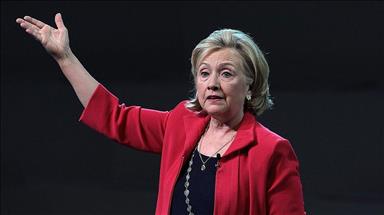
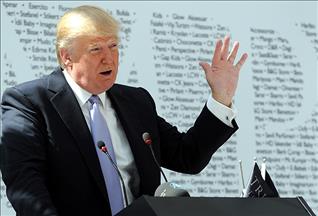
Republican Donald Trump and Democrat Hillary Clinton won big on Super Tuesday while Sen. Ted Cruz took a critical state that he hopes will be vital in a looming showdown with the billionaire front-runner.
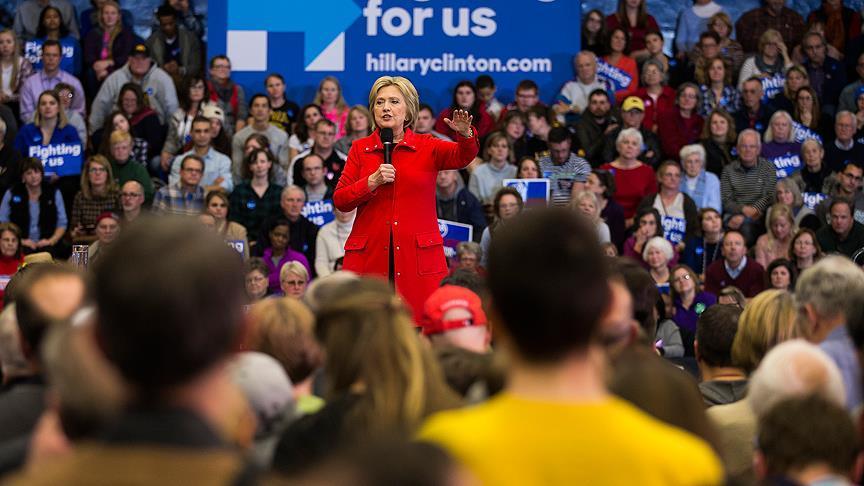
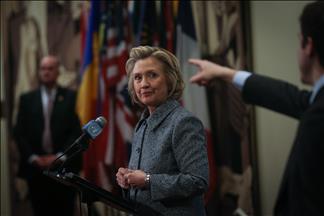
Trump and Clinton carried Arkansas, Alabama, Georgia, Massachusetts, Tennessee and Virginia. Clinton also took Tuesday’s big prize -- Texas -- and the American Samoa. In addition, Trump narrowly defeated Ohio Gov. John Kasich in Vermont. Cruz won his hometown lone-star state of Texas on the Republican side, along with Oklahoma and Alaska.
"We are the only campaign that has beaten Donald Trump once, twice, three times," Cruz, who had also claimed a win in Iowa last month, said at a campaign rally in Texas.
“Fifteen states have now voted, every one of those states has either been won by Donald Trump or myself," he said in an apparent call for Florida Sen. Marco Rubio, who has vied with Cruz for the vote, to drop out of the race.
Rubio claimed the vote in Minnesota. Neurosurgeon Ben Carson and Ohio Gov. John Kasich have yet to claim a state.
Vermont Sen. Bernie Sanders also took his home state with more than 80 percent of the vote, as well as Minnesota, Oklahoma and Colorado.
“By the end of tonight we are going to win many hundreds of delegates,” Sanders said to applause in Vermont.
Just hours after the first polls closed, Trump was quick to take aim at his Democratic rival saying at a campaign rally in Florida that if Clinton "hasn’t straightened it out by now, she’s not going to straighten it out in the next four years -- it’s just going to become worse and worse."
Former Republican presidential candidate New Jersey Gov. Chris Christie, who endorsed Trump after recently dropping out, said at the same rally that the real estate mogul "is the clear winner on Super Tuesday".
Fourteen states, American Samoa and Democrats abroad voted in Tuesday’s polls -- the largest single-day contest in America’s tiered presidential nomination cycle.
Unlike the general election, presidential primaries are not winner-take-all.
Rather, state delegates are divided among candidates based on the total percentage of the vote they receive. However, in the Republican race, certain states impose a threshold (5,10 or 20 percent) to award delegates.