ADDIS ABABA
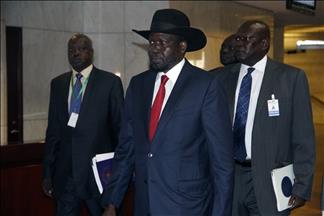
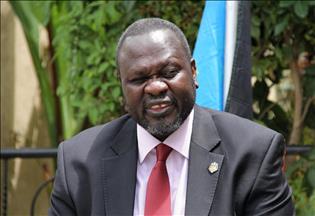
South Sudan President Salva Kiir and rebel leader Riek Machar signed a deal in Ethiopian capital Addis Ababa late Sunday to put an end to the crisis that has been raging in their fledgling country for over a year now.
The signing of the deal followed a marathon of talks in Addis Ababa sponsored by Ethiopian Prime Minister Hailemariam Desalegn and Kenyan President Uhuru Kenyatta. The talks lasted for 72 hours.
The deal calls for the formation of a transitional government in South Sudan, lays down the principles of power-sharing in the country and specifies security arrangements.
Negotiations on the specifics of the deal will resume on Feb. 20, provided that both sides reach a final peace agreement by March 5 at the latest.
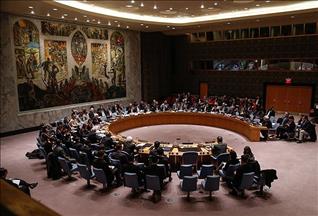
In the case of any violations, the Intergovernmental Authority on Development (IGAD) will report them to both the African Union Peace and Security Council and the United Nations Security Council.
The transitional government, which will hold power for three months until elections are held in June, will have Kiir as president, Machar as first vice president, and a second vice president from the southern Equatoria region.
It will also include a cabinet composed of 27 ministers, the president and his deputy.
The transitional government's power-sharing ratios are as follows: 60 percent for the current government in Juba, 30 percent for Machar's camp and 10 percent for other political parties.
The National Assembly (parliament) will be composed of 400 seats; the current 332 MPs will remain in their seats, and 68 new members will be distributed as per the power-sharing agreement.
The current Juba government will hold 60 percent of the 400-seat assembly, 30 percent for Machar's camp and the remaining 10 for other parties.
Decisions in the transitional government require an 80 percent approval, and the parliamentary decisions should be taken through consensus.
If parliament fails to reach a consensus, decisions can pass by the approval of 80 percent of the MPs.
The South Sudanese government, the Machar's camp and freed politicians have agreed to a cease-fire to "facilitate national reconciliation and lay down the constitution."
South Sudan, which became independent in 2011, has been shaken by violence since late 2013, when Kiir accused Machar, his sacked vice-president, of leading a failed coup attempt against his regime.
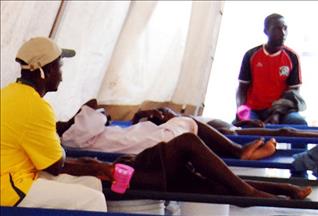
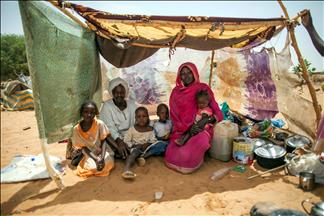
Tens of thousands have reportedly been killed in the crisis, close to two million have been uprooted from their homes, and hundreds of thousands now seek shelter in displacement camps across the country.