21 October 2015•Update: 23 October 2015
By Satuk Bugra Kutlugun
ANKARA
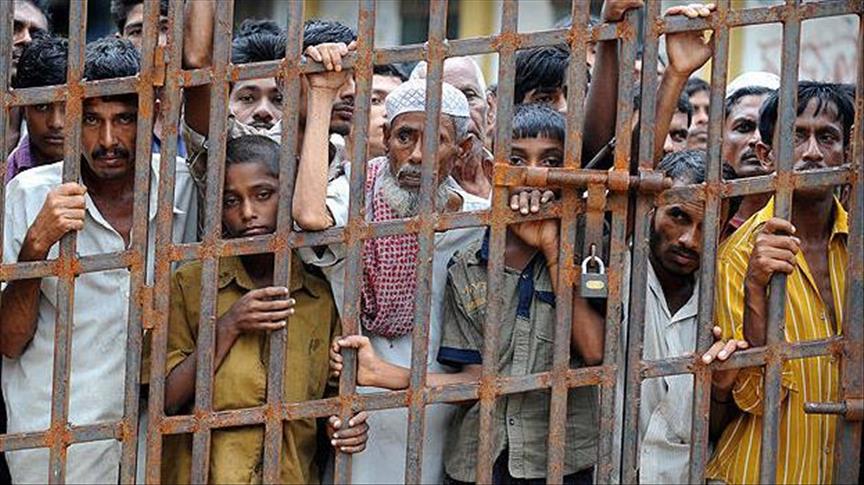
An international human rights group has released a report detailing the abuse suffered by Rohingya Muslims on the seas of Southeast Asia as they seek to escape persecution in Myanmar.
The Amnesty International report published Wednesday and titled "Deadly journeys: The refugee and trafficking crisis in Southeast Asia" highlights the "hellish, inhuman" conditions the Muslim ethnic group face.
"The daily physical abuse faced by Rohingya trapped on boats in the Bay of Bengal and Andaman Sea is almost too horrific to put into words," says Amnesty Refugee and Migrant Rights Researcher Anna Shea.
She underlined that although many reached Indonesia after fleeing across the Andaman Sea, "they had only traded one nightmare for another."
"The shocking truth is that those we spoke to are the ‘lucky’ ones who made it to shore – countless others perished at sea or were trafficked into forced labor situations," Shea said.
"Governments must do more to prevent this human tragedy from recurring."
Thailand launched an anti-trafficking crackdown in May 2015, following the discovery of dozens of bodies belonging to Rohingya and Bangladeshi migrants near the country’s southern border with Malaysia.
Since then, traffickers have abandoned boats full of people at sea, leaving thousands of migrants without food, water or medical care.
"While the [United Nations] estimates that at least 370 people lost their lives between January and June 2015, Amnesty International believes the true figure to be much higher," the report said. "Hundreds -- if not thousands -- of people remain unaccounted for, and may have died during their journeys or been sold for forced labor."
The report also highlighted the story of a 15-year-old Rohingya girl whose father had been contacted by traffickers.
"[They] made him listen to her cries while they beat her, and told him to pay them about $1,700," it said.
A 15-year-old boy was quoted by the organization as saying, "In the morning you were hit three times. In the afternoon you were hit three times. At night you were hit nine times."
The report also revealed that some people tricked into forced labor were abducted in Myanmar or Bangladesh, while others were promised a safe journey to Malaysia.
“The Rohingya are so desperate that they will continue to risk their lives at sea until the root causes of this crisis are addressed -- the Myanmar government must immediately end its persecution of the Rohingya,” Shea said.
"Governments must ensure that initiatives against traffickers do not put people’s lives or human rights at risk, which is what happened in May 2015... They must also act quickly to implement maritime search and rescue operations."
Amnesty urged Southeast Asian states to "act now," and "not wait for another human rights disaster at sea".