Benjamin Tavener
09 December 2015•Update: 10 December 2015
By Ben Tavener
SAO PAULO
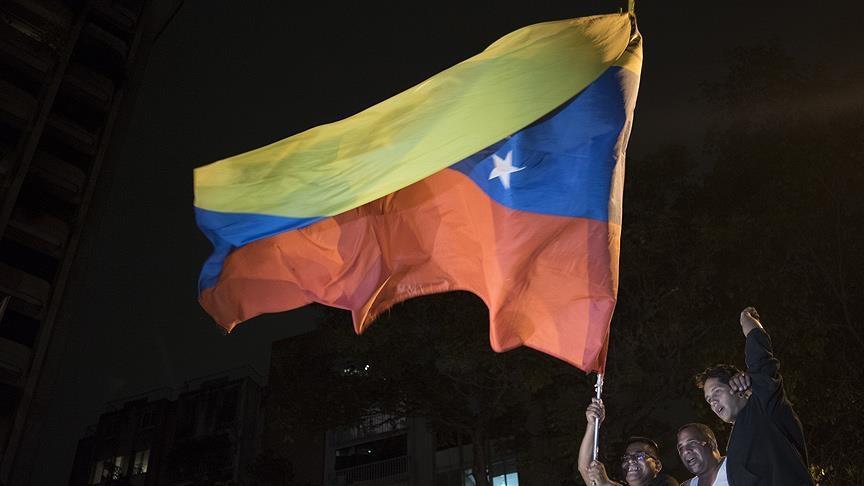
Senior figures in Venezuela's opposition coalition insisted Tuesday that it won a key two-thirds majority in parliamentary elections.
A minimum of 112 of 167 seats are required for a super majority that would give the opposition the power to effect major changes to institutional appointments and legislation made under President Nicolas Maduro's Socialist government.
Although still incomplete following Sunday’s vote, the latest official results issued by the National Electoral Council (CNE) show the Democratic Unity Roundtable (MUD) with 107 seats. The government's Socialist party (PSUV) has 55 seats. Five seats have yet to be declared.
But opposition leader Henrique Capriles, who was narrowly defeated by Maduro in the 2013 presidential election, said, "all records and corresponding checks" proved that the coalition had won the seats needed for a two-thirds majority.
MUD executive secretary Jesus Chuo Torrealba complained about the speed at which the CNE was revealing the final tally, which he labeled a "disrespectful" and "irresponsible trickling" of results.
"The three seats for indigenous representatives are ours, and we won the other two seats being disputed -- Aragua and Amazonas," Torrealba said Tuesday on his radio program, according to NTN24 news.
The CNE does not officially recognize the three indigenous seats as part of the opposition coalition.
A three-fifths majority of at least 101 seats would mean the opposition can sack Cabinet ministers or the vice president, but 112 deputies would give far greater powers, including being able to propose constitutional reforms, even calling a referendum on Maduro's future after he reaches the midway point of his presidency next April.
Opposition figures have signaled plans to reverse a string of appointments made by the government, and pass a legal amnesty for political prisoners, most notably jailed opposition leader Leopoldo Lopez.
Analysts say negotiations with Maduro will be extremely difficult, despite the opposition's parliamentary majority, given the PSUV's strength among certain swaths of the population and government figures placed throughout the country's institutions.