Kasım İleri
20 April 2016•Update: 26 April 2016
By Kasim Ileri
WASHINGTON
A recent decision to increase U.S. combat forces in Iraq is a result of pressure President Barack Obama feels toward the end of his presidency, experts say.
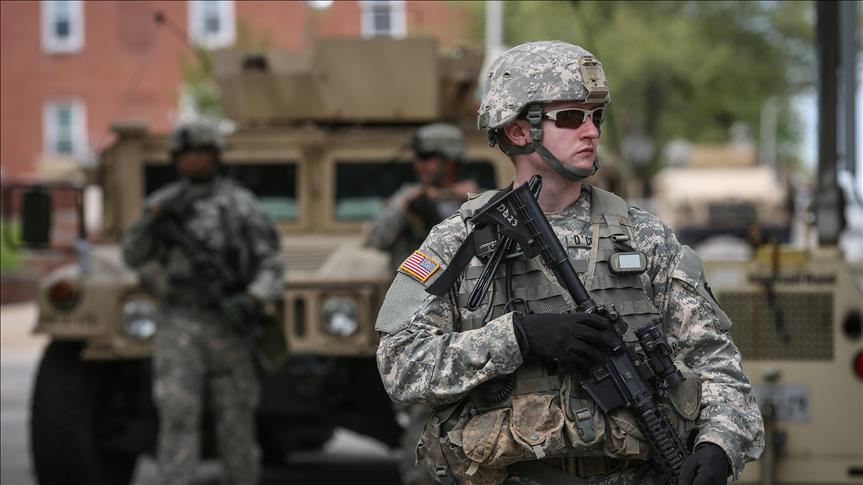
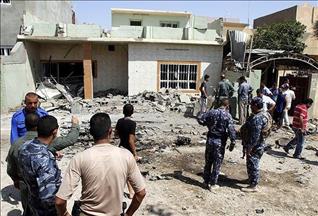
The Obama administration on Monday authorized the deployment of 217 additional troops to Iraq, mostly Special Operation Forces, and eight Apache helicopters that will be involved in the fight against Daesh to retake Iraq’s key city of Mosul.
The latest deployment will bring the official number of American boots on the ground in Iraq to 4,087.
The number of American troops in Iraq, however, is above that because according to the Pentagon, Special Forces who are deployed out of a rotational task and stay in the country for less than four months are not included.
Obama’s no boots on the ground policy “is clearly over,” Daniel Serwer, a Middle East Institute expert told Anadolu Agency, noting that Mosul will be a big and difficult operation that will require critical U.S. assistance.
According to the professor of conflict management at Johns Hopkins School of Advanced International Studies, Obama feels pressure to defeat Daesh before he leaves the White House next January.
“Recent progress in getting IS [Daesh] to give up territory is making the Americans want to accelerate the process. They are prepared to take some additional risk in order to do so,” Serwer added.
Last June, the White House authorized more deployments of troops to Iraq to take part in an offensive to retake Anbar province's capital, Ramadi, from Daesh – that was accomplished late last year.
Greg Myer, a Middle East expert, agrees that the Obama administration feels pressed to destroy Daesh but he told Anadolu Agency that the recapture of Mosul is "unlikely to happen this year."
According to Myer, the Obama administration has clearly moved from no boots on the ground to more boots on the ground but that move was more unwillingly.
“I don’t see any signs that there will be a major U.S. ground invasion,” Myer said. "But the administration continues a slow build up, 200 troops here, 300 troops there and till now we are up to 5,000 U.S. forces in Iraq.”
The Pentagon has repeatedly downplayed the role of the U.S. ground troops in the battle but their numbers and missions in Iraq have quietly expanded.
The move for a major increase in U.S. military presence in Iraq comes after months of deliberation within the administration about how to accelerate the fight against Daesh but the Pentagon tied it specifically to the Mosul operation.
Top Pentagon officials told Congress that U.S. commandoes will be deployed to conduct raids on Daesh and capture the militant group’s leaders as well as collect intelligence on the ground.
Although the Pentagon has long been silent about what the commandoes are doing or have done so far, it was revealed last month that the Pentagon has established a firebase near Makhmour camp where Iraqi troops are trained by American trainers.
Earlier this month, Pentagon officials said the U.S. might establish more firebases in northern Iraq as Iraqis move toward Mosul.
The slow and gradual build up in Iraq tells us how the White House is reluctant to take on a ground combat role but he noted that the administration also feels pressed to defeat Daesh.
Serwer pointed out that the next president will also remain under the same pressure Obama faces from an American public opinion that expects its military to overcome the Daesh threat.
“[Ted] Cruz, [Donald] Trump, [John] Kasich or [Hillary] Clinton might be inclined to respond by doing more,” Serwer said, noting that Democratic candidate Bernie Sanders might want to do less.