09 March 2016•Update: 13 March 2016
By Omar Azzam
CAIRO
The Arab League is a regional organization of Arab countries with a view to strengthening ties among member states and coordinating their policies.
In 1942, representatives of six Arab countries – Egypt, Iraq, Saudi Arabia, Jordan, Syria and Lebanon – met to discuss the idea of founding a pan-Arab body.
In October 1944, five Arab states – Egypt, Jordan, Syria, Iraq and Lebanon – agreed on the foundation of a joint Arab organization, which led to the formation of the Arab League the following year.
They all agreed on what became known as the Alexandria Protocol.
The agreement says the main aim of this organization will be to strengthen relations between Arab states and to actively participate in the coordination of their political plans and foreign policy without interference.
It also promises protection by suitable means in case of aggression against a member state and its sovereignty.
In March 1945, five Arab countries signed the Arab League Pact, thereby formally inaugurating the league. Saudi Arabia and Yemen joined as members during the same year.
Currently, the Arab League has 22 members. In 2011, Syria’s membership in the league was suspended as a consequence of government repression of pro-democracy protests, which led the country to fall into a vicious civil war.
Divisions
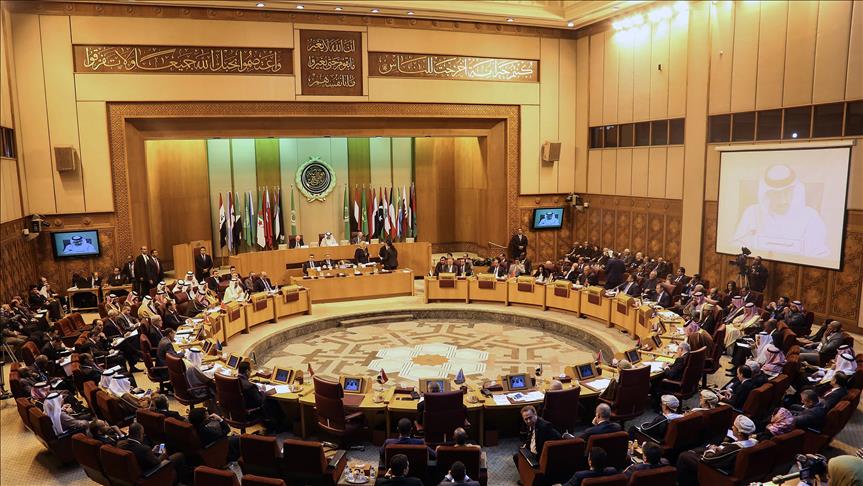
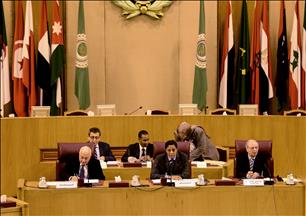
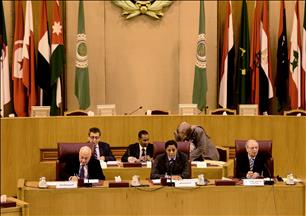
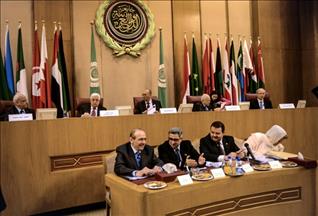
The highest body of the Arab League is the Council, composed of representatives of member states. Each member state has one vote, irrespective of its size.
The council meets twice a year, in March and September, and may hold special sessions at the request of two members.
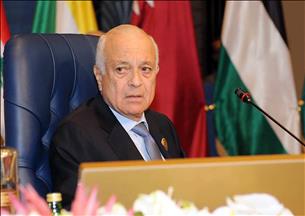
The league is run by the general secretariat. Headed by a secretary-general, it is the administrative body of the league and the executive body of the council and the specialized ministerial councils.
According to the league’s charter, the pan-Arab body has a permanent Secretariat-General which consists of a secretary-general, assistant secretaries and an appropriate number of officials.
The Council of the League appoints the secretary-general by a majority of two thirds of the member-states, for a renewable five-year term.
All secretaries-general of the Arab League have been Egyptians, except for the period of 1979-1990 when Egypt was expelled after signing a peace treaty with Israel.
The effectiveness of the Arab League has been severely hampered by divisions among member states.
In 2003, the Arab League was severely tested by the U.S. invasion of Iraq to topple Saddam Hussein, with some Arab countries backing the war, some opposing it and others standing on the sidelines.
Because decisions made by the Arab League are binding only on members who voted for them, these divisions have effectively crippled the pan-Arab body in the sphere of high politics.