MAZAR-I SHARIF, Afghanistan
The planned withdrawal of NATO led-forces in Afghanistan by the end of 2014 is prompting concerns among Afghan people about the rise of Taliban attacks.
The U.S. and Afghanistan have spent months negotiating a 'Bilateral Security Agreement' (BSA) that will allow NATO troops to stay on after the end of 2014.
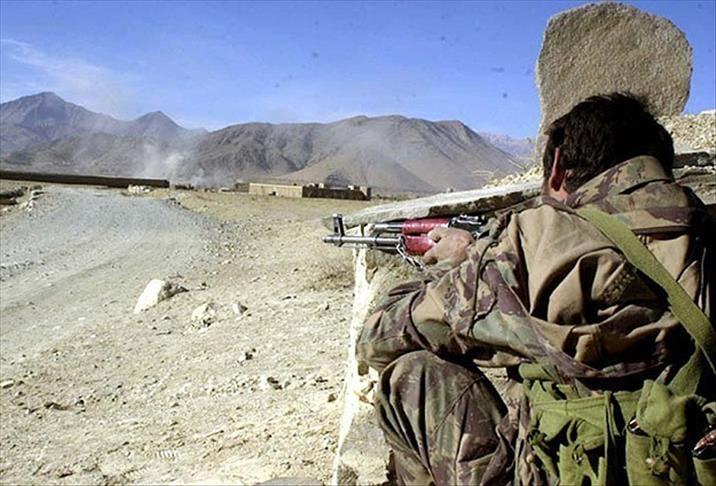
Armed groups in Afghanistan continue to stage attacks threatening security and raising concerns over whether the Afghan forces will be able to provide security after the withdrawal of NATO troops.
The number of Taliban fighters has increased since 2005, causing a rise in the number of people killed or wounded in attacks, according to U.N. figures.
Civilian casualties have increased by 23 percent in the first half of 2013, the U.N. says.
While the US is facing continued political uncertainty about whether NATO forces will remain in Afghanistan, several aid agencies have resorted to staff cuts, delaying development projects in Afghanistan's rural areas.
Afghan Brigadier General Mohammad Zaman Mamozai told an Anadolu Agency correspondent that the Afghan Security forces were strong enough to provide security in the country.
"Taliban militants have no strength for face to face fights. Therefore they are carrying out secret attacks," he said.
Haji Bashir Ahmad Tahyanj, an Afghan lawmaker, said that the Taliban have gained control in certain regions and if serious measures were not taken it would pose a serious threat to the country.
A government official, Abdulwahid Tayyibi, from the northwest of Afghanistan, expressed concern that most Afghans would not be able to go to polls in the presidential election set for April.
Taliban spokesperson Zabiullah Mujahid said the Taliban has grown stronger, adding: "Our attacks targeting foreign forces will continue until they leave the country."
englishnews@aa.com.tr