Şahin Demir
05 May 2026•Update: 05 May 2026
By Sahin Demir
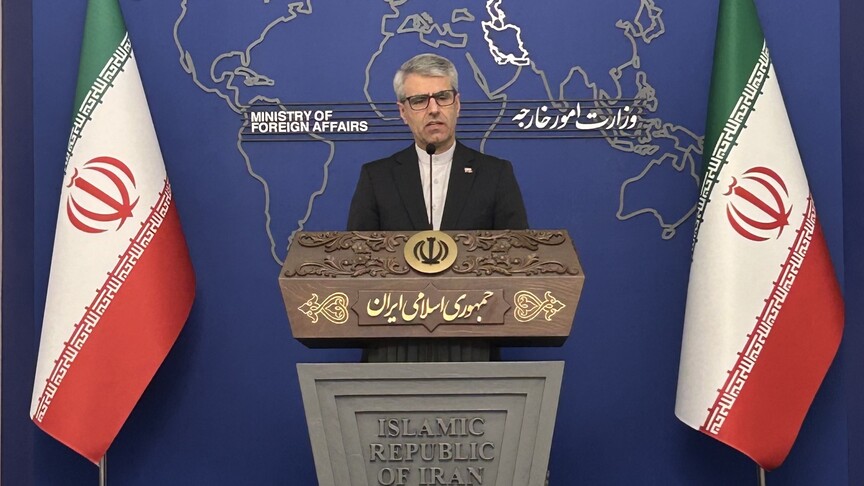
ISTANBUL (AA) - Iranian Foreign Ministry spokesperson Esmaeil Baghaei said Tuesday that if the US is serious about diplomacy, it needs to seize the opportunity and show “minimum good faith.”
Baghaei told Iranian state media Press TV that the international community is closely watching the US’ actions and expects a constructive approach.
He said the war against Iran was a “war of choice” by the US, and its consequences have been felt globally.
Baghaei criticized shifting US justifications for the conflict, saying Washington initially cited an “imminent threat,” before denying that stance, while continuing to link the war to Iran’s nuclear program.
He reiterated that Iran’s nuclear activities are peaceful and that claims to the contrary were used as a pretext for what he described as an unlawful war.
- UN ‘unable to act,’ self-reliance key
Baghaei said the UN Security Council has failed to respond effectively to acts of aggression, arguing that it has been unable to fulfill its role in maintaining international peace and security.
He said lack of action in cases including the Gaza Strip, Lebanon and Iran reflects structural limitations within the system.
“In such conditions, the only guarantee is a state’s own capacity,” he said, emphasizing the need for Iran to maintain strong defensive capabilities to ensure a future agreement is respected.
- Hormuz measures lawful, necessary
On the Strait of Hormuz, Baghaei said Iran’s actions are lawful and justified under domestic and international laws.
He said Iran, as a coastal state, has the right to take measures to protect its national security, particularly after what he described as the use of regional territories by the US and Israel in the war.
Baghaei said Tehran has been in talks with Oman to develop mechanisms ensuring safe passage of vessels through the strait.
He stressed that maintaining navigation while safeguarding security is part of Iran’s “responsible approach” to the waterway.
Tensions have remained high since the US and Israel launched strikes against Iran on Feb. 28, followed by retaliatory actions by Tehran and disruptions in the Strait of Hormuz.
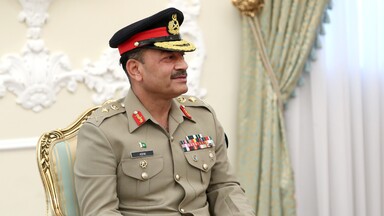
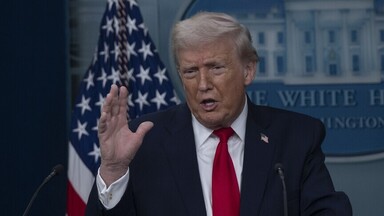
A ceasefire took effect April 8 through Pakistani mediation, but talks in Islamabad failed to produce a lasting agreement. The truce was later extended by US President Donald Trump without a set deadline.