Serdar Dincel
06 June 2026•Update: 06 June 2026
Bahraini and Kuwaiti officials on Saturday condemned Iranian attacks that targeted their territories earlier in the day.
The Iranian attacks on the two Gulf nations constitute "a flagrant violation of the sovereignty of the two countries" and a "threat to the security and stability" of the Gulf region, the Bahraini Foreign Ministry said, according to the Bahrain News Agency.
The missiles were "successfully" intercepted, the ministry noted in a statement.
It also accused Iran of violating the UN Security Council Resolution 2817 (2026), which condemned Iranian attacks and any attempts to close the Strait of Hormuz or disrupt international maritime navigation.
Manama also urged Tehran to immediately halt the "unjustified" attacks, fully reopen the Strait of Hormuz without restrictions, disclose the locations of naval mines, and facilitate the safe departure of over 20,000 stranded sailors from the region.
The ministry said Bahrain's patience “does not signify weakness,” stressing that the defense of its sovereignty is a red line, and pledged to take all legitimate measures to safeguard its security.
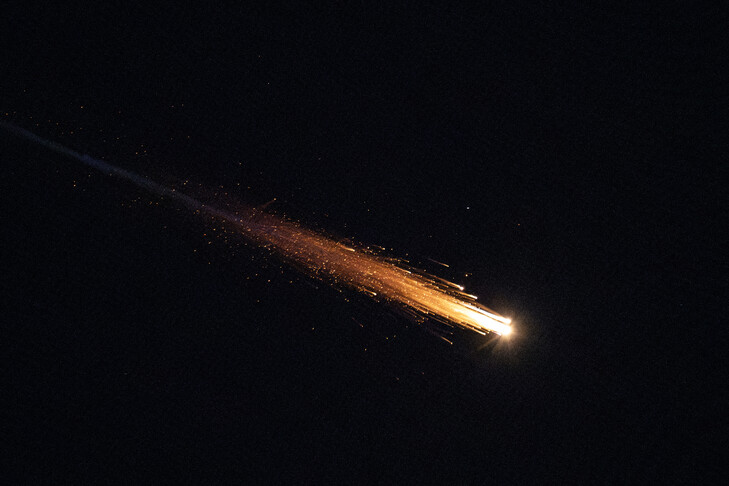
In a statement through US social media company X, Bahrain's Defense Force said it "successfully" intercepted and destroyed three Iranian missiles and "a number of drones" during Saturday's attacks.
In a separate statement on X, the Kuwaiti Foreign Ministry said the latest attacks “represent a highly dangerous escalation and reveal a hostile approach toward neighboring countries, undermining opportunities for de-escalation and pushing the region toward greater tension.”
The ministry also expressed Kuwait's "full solidarity" with Bahrain.
Earlier in the day, the Kuwaiti army said its air defense forces were responding to “hostile missile and drone threats.”
Regional tensions have escalated after the US and Israel launched airstrikes on Iran in late February, triggering a cycle of retaliatory attacks that widened instability across the region
Iran, in retaliation, subsequently launched strikes against Israel and targeted countries hosting US military bases, while also disrupting shipping through the Strait of Hormuz, a critical route for global energy supplies.
A ceasefire later took effect, though diplomatic efforts to secure a broader agreement have continued.