TRENTON, Ontario
Fatty liver disease affects millions of Canadians and is now the leading cause of liver disease, surpassing alcohol in Western nations, Canadian media reported, Tuesday.
Predominately caused by poor diet and lack of exercise, the disease is known little in the general the public but has reached epidemic proportions, doctors said.
“As a radiologist, I see fatty livers almost every day,” Dalhousie University of Halifax assistant professor Dr. Sharon Clarke told the Canadian Broadcasting Corporation. “Patients often come in for an imaging test for some other reason and we incidentally notice that they have fatty liver.”
The rise in obesity rates has fed the fatty liver epidemic but it is no longer just Western countries like Canada that are affected.
The Global Burden Disease Study 2013 found obesity led to 3.4 million deaths worldwide in 2011 and non-alcohol fatty liver disease (NAFLD) has become associated with mortality rates in the Middle East, Far East, Africa, the Caribbean and Latin America, Dr. William Balistreri wrote in Medscape, a Web resource for physicians, in September 2014.
The global report issued a call to arms to fight obesity through initiatives to reduce the burgeoning rates of fatty liver disease.
“[B]ecause of the established health risks and substance increases in prevalence, obesity has become a major global health challenge,” the report stated. “Urgent global action and leadership is needed to help countries to more effectively intervene.”
The report found that globally, obesity rose to 38 percent in 2013 from 29 percent in 1980 among adults and the increase over that period was even greater in children at 47 percent.
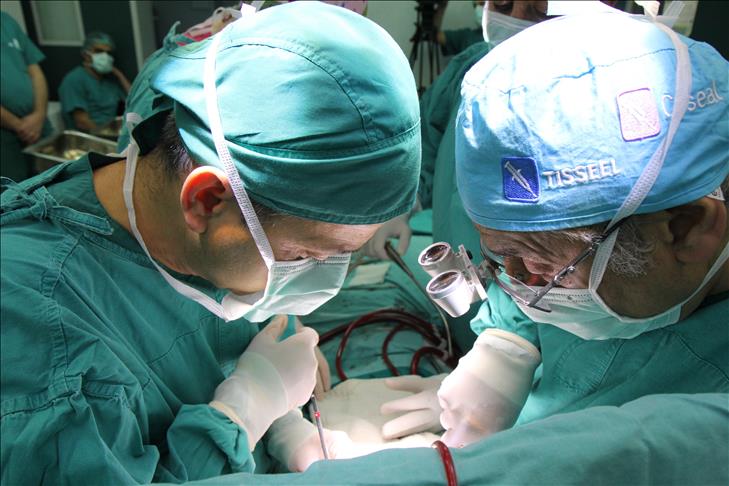
The NAFLD epidemic in Canada has reached such proportions that doctors are having trouble finding liver donors.
“If we transplant livers that are fatty, we know that the outcomes are poor, said Dr. Ian Alwayn, a transplant surgeon and Dalhousie University associate professor.
The situation has prompted Alwayn to form a team of doctors in Halifax to begin a research project to try to ‘de-fat’ a fatty liver after it has been donated.
Another tool in the fight against NAFLD is early diagnosis, because a patient can then change eating habits and begin an exercise routine that could help ease the problem.