Bird flu threat forces Australia to pull researchers from sub-Antarctic island


The Arabic word Nakba, meaning “the catastrophe,” refers to the suffering of Palestinians who were displaced following the establishment of Israel in 1948. While May 14 is marked as Israel’s Independence Day, May 15 is commemorated as the anniversary of the beginning of the Nakba.
The displacement of Palestinians and the settlement of Jewish populations in their place led to major environmental and ecological changes in the region. The change caused by interventions in Palestine’s natural landscape is now defined as the “environmental Nakba.” Various changes are cited as indicators of this process.
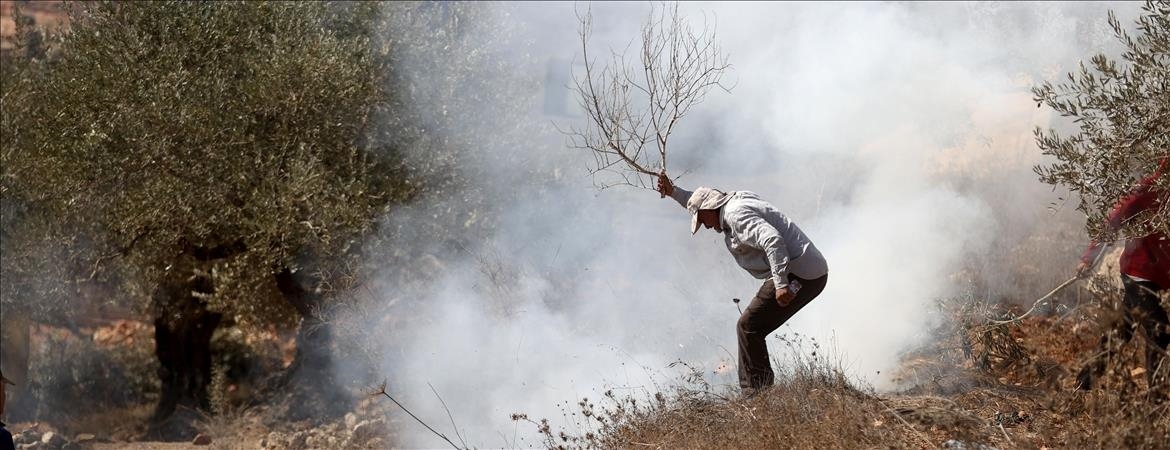
After the establishment of Israel, local Palestinian species such as oak, carob, hawthorn, and fruit trees essential to agricultural production, including olive, fig, and almond, were systematically removed and replaced with European pine species.
Because pine trees shed acidic needles that prevent vegetation from growing underneath, this has led to reduced biodiversity and degradation of the local environment. Their resin has also led to more frequent wildfires.
As part of road and infrastructure projects implemented for Israelis who settled on Palestinian lands, trees and buildings located within 75 meters of project areas were demolished using bulldozers.
The area used for roads built on seized Palestinian lands in the West Bank, which was 51.2 square kilometers in 2000, doubled by 2023. These areas were previously used by Palestinians for agriculture or grazing.
Israel’s diversion of water flows in the Jordan Valley and the construction of the separation wall in the West Bank, which restricts human activity and animal movement, have also triggered biodiversity loss.
Pollution is a major indicator of the environmental Nakba
Following Israeli occupation of the West Bank and Gaza in 1967, new opportunities arose for Israeli industry, which resulted in increased pollution levels in the region. Citrus trees and vineyards were destroyed as a result of pollution caused by many industrial establishments, particularly Geshuri, which started producing pesticides and fertilizers in Tulkarm in 1987.
Another aspect of the environmental Nakba stems from the Tel Aviv administration’s disposal of its waste, including electronic waste, in the border region known as the “Green Line.” The informal recycling of this waste, often carried out by impoverished Palestinians in ways that are detrimental to the environment, has led to serious health problems, including cancer and lung diseases.