UN food agency says global food prices rise 2.4% in March on higher energy costs


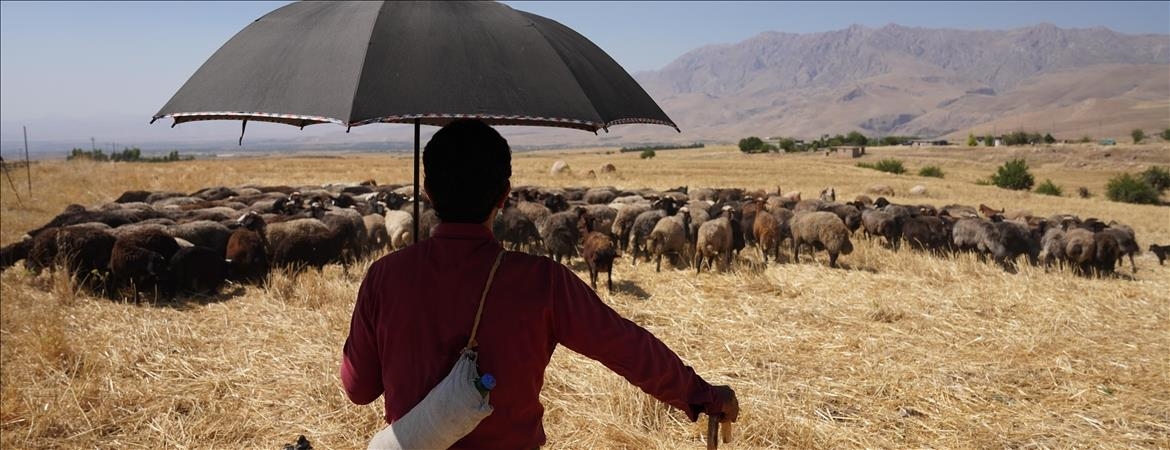
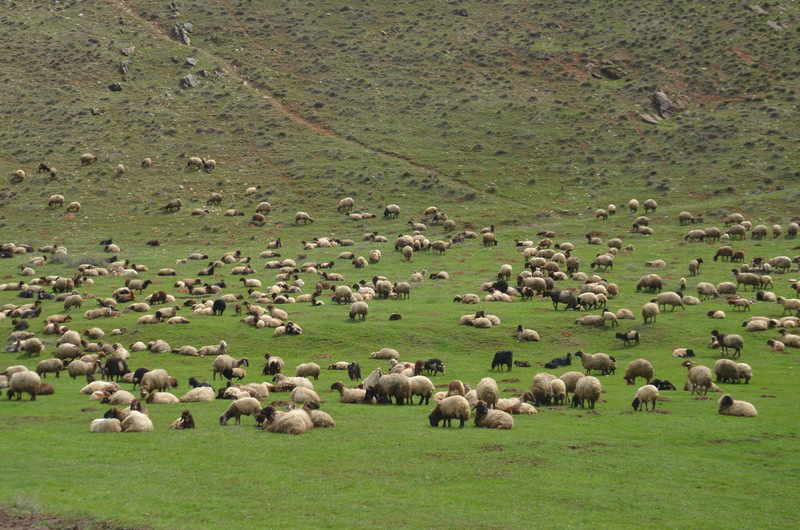
The UN’s Food and Agriculture Organization (FAO) has launched the International Year of Rangelands and Pastoralists, a global campaign highlighting the crucial role of rangelands and pastoral communities in sustainable food systems, biodiversity conservation, and climate resilience.
According to the FAO, rangelands cover half of the world’s land, from the African savanna to Central Asia’s steppes, supporting unique wildlife and sustaining millions of pastoralists. These communities manage around 1 billion animals, helping preserve ecosystems, food security, and cultural heritage.
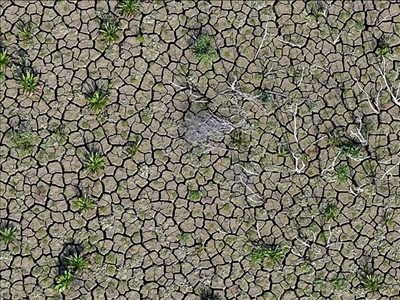
However, these areas are increasingly under pressure from droughts, floods, climate change, land degradation, animal diseases, and competing land uses, limiting pastoralists’ mobility and threatening their way of life.
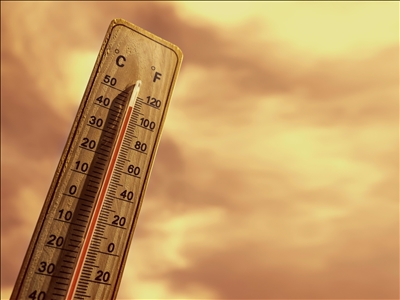
New research by the Potsdam Institute for Climate Impact Research (PIK) shows that climate change is threatening the world’s rangelands and grasslands, putting the future of livestock activities at risk.
The researchers examined how changes in climate factors such as temperature, rainfall, humidity, and wind could affect rangeland-based grazing systems worldwide. Focusing on cattle, goat, and sheep farming, the study also accounted for population and livestock growth.
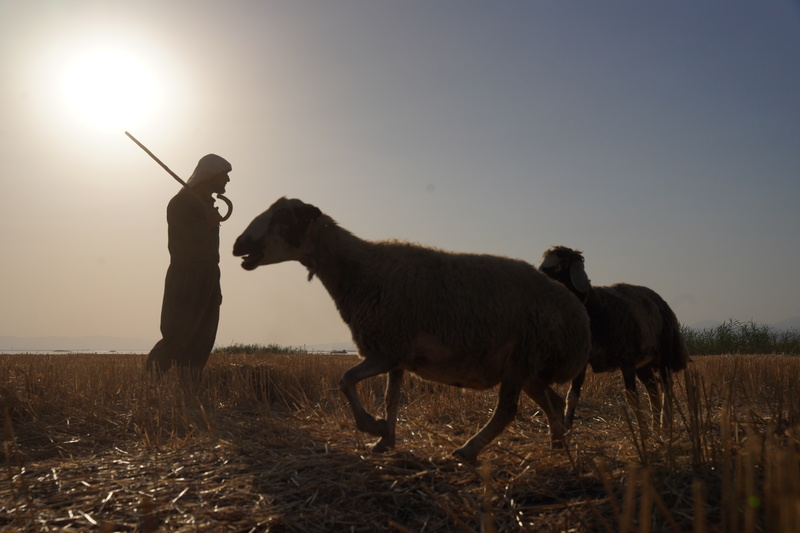
While some regions may see rangeland expansion due to improved rainfall and conditions, the study predicts a significant overall decline globally.
The study’s data indicate that between 36% and 50% of areas currently suitable for grazing could become unsuitable by 2100, while 16% to 23% of land may become newly viable for grazing.
This could negatively affect the livelihoods of 110 to 140 million people who depend on livestock, as well as between 1.4 billion and 1.6 billion cattle and small ruminants.
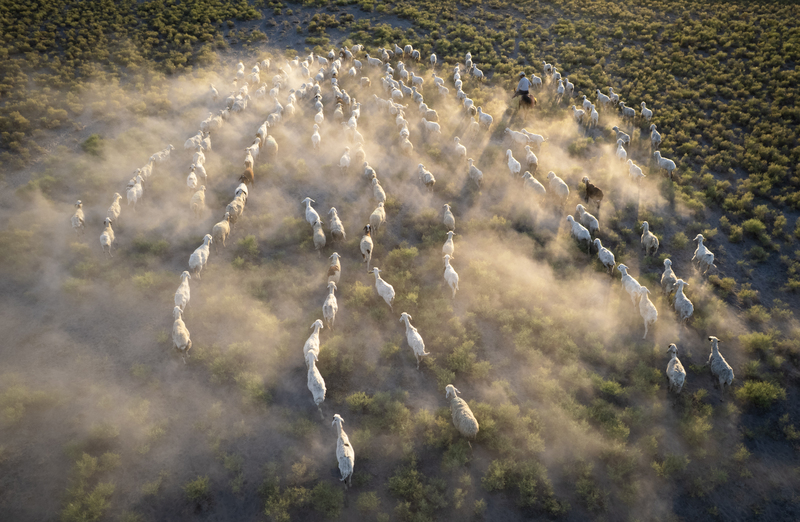
Regional changes
The study found that the impact of these changes will vary regionally. Oceania could lose between 37% and 66% of suitable grazing land, Europe between 87% and 95%, Africa between 16% and 65%, and South America between 34% and 50%.
In Africa, grazing areas are expected to shift southward, with the Sahel and Congo Basin – key regions for livestock – likely becoming unsuitable due to extreme heat. This could significantly reduce the continent’s available pastureland.
In South America, grazing areas are expected to shift southward, with pastureland declining in the mid and lower latitudes, while new suitable areas may emerge in the far south.
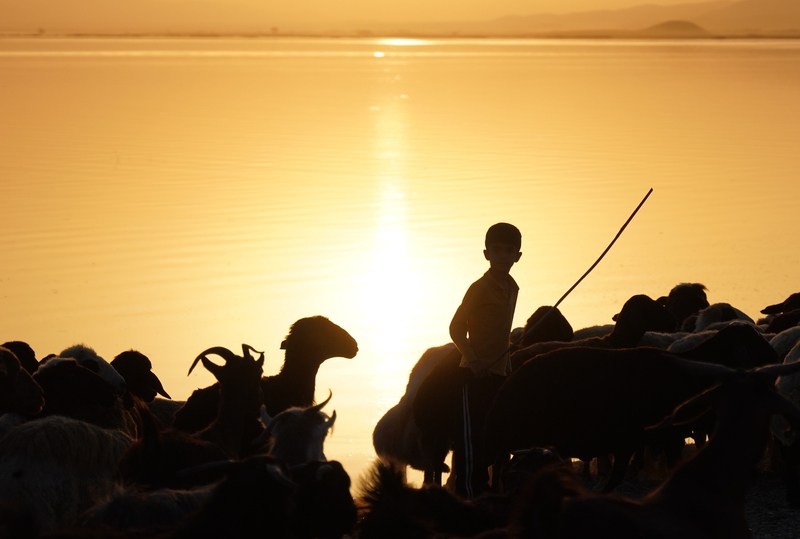
In Asia, grazing areas are expected to shift east to west and toward higher-altitude regions. Future safe pastures are likely to concentrate in Kazakhstan and Iran, with the Central Asian steppes, Altai Mountains, Tian Shan, Mongolian steppes, and Northern China plains becoming more suitable for livestock.
In central Australia, most inland pastures are expected to be lost due to high temperatures and low humidity.
Socioeconomic effects
The study finds that most of the 130 million people projected to be affected by climate change live in vulnerable countries: 85% in middle- to low-income nations, 71% in countries with high gender inequality, 87% in fragile states, and 51% in areas facing serious to extreme hunger. This suggests climate change could severely disrupt grazing systems, with the greatest impacts in the world’s most socioeconomically and politically vulnerable regions.
Of the roughly 130 million people expected to be affected, about 39% live in countries experiencing “Serious Hunger,” including Afghanistan, Kenya, and Ethiopia, 7% in “Extremely Alarming Hunger” nations such as Somalia and Yemen, and 5% in “Alarming Hunger” countries like Chad and South Sudan.
Chaohui Li, a senior researcher at Germany-based Bauhaus Earth and one of the study’s authors, told Anadolu that effective policy measures could play a key role in mitigating these impacts.
Li emphasized that efforts should not focus solely on protecting rural livestock activities, but actively support people in transforming their livelihoods.
“In regions where grazing safe climatic spaces are projected to contract or vanish, strategic international coordination, climate-aligned livestock system restructuring, and strengthened social protection systems will be essential to buffer socioeconomic disruption," she said.