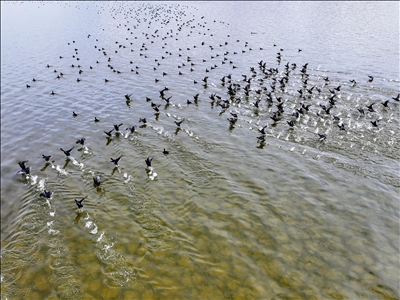
Reviving lake in central Türkiye sees birds return amid drying wetlands


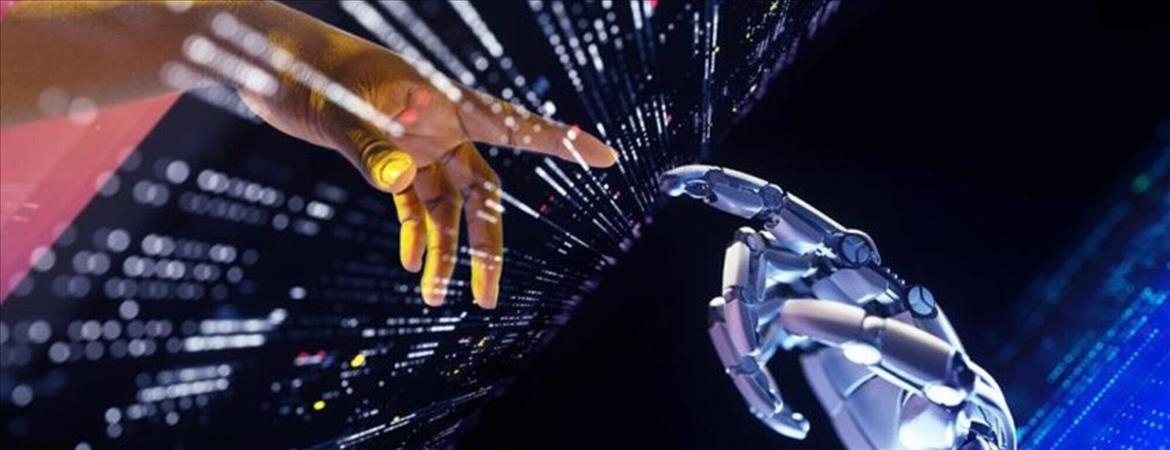
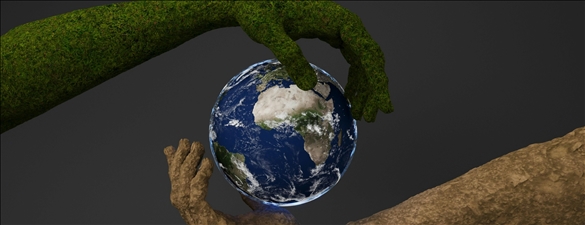
This replica is built using data obtained from sensors, satellites, observation stations and biological measurements, and is continuously updated through the same methods. These systems aim to reflect, as accurately as possible, the interactions between living and non-living components of nature in order to understand how ecosystems function and to develop future projections.
The digital twin of an ecosystem creates a link between nature and technology. Continuously updated with real-time data, these virtual models are of critical importance for both scientific research and the shaping of environmental policies. Thus, it becomes possible not only to observe ecosystems but also to be prepared for risks that may be encountered in the future.
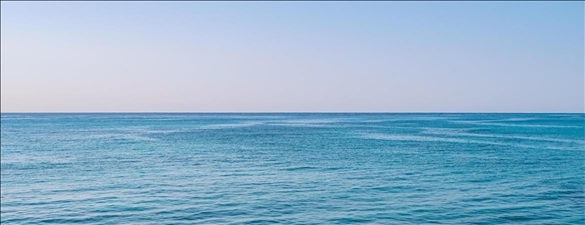
Digital twins do not only display current conditions but also allow different scenarios to be tested. For example, the potential impacts of rising sea temperatures on fish stocks, algal blooms or oxygen levels can be anticipated through these models. This enables scientists and decision-makers to develop faster and more effective responses to pressures such as climate change, pollution or overfishing. Furthermore, digital twins play an important role in thedevelopment of sustainability policies. The short- and long-term impacts of actions such as building a dam on a river, introducing new fishing quotas or upgrading wastewater treatmentfacilities can be simulated in advance. This approach helps prevent misguided decisions, supports more efficient use of resources and contributes to the development of managementstrategies in harmony with nature.