Beyza Binnur Donmez
27 May 2026•Update: 27 May 2026
Belgium has reissued emergency guidance to doctors and hospitals on handling suspected Ebola infections following a false alarm earlier this week in the city of Roeselare, according to Belga News Agency on Wednesday.
Belgian authorities said no confirmed Ebola cases have been detected in the country, but the Federal Public Service for Public Health (FPS) reminded hospitals and general practitioners of protocols to follow if patients show symptoms associated with the virus.
“We have once again thoroughly informed hospitals and doctors about the emergency procedures in the event of a suspected infection with the Ebola virus,” FPS Public Health spokesperson Annelies Wynant said, according to Belga.
The renewed alert comes amid heightened international concern over Ebola outbreaks in Africa and concerns over the possibility of infected travelers arriving in Europe.
Authorities said hospitals are trained to immediately activate isolation procedures when a suspected case is identified.
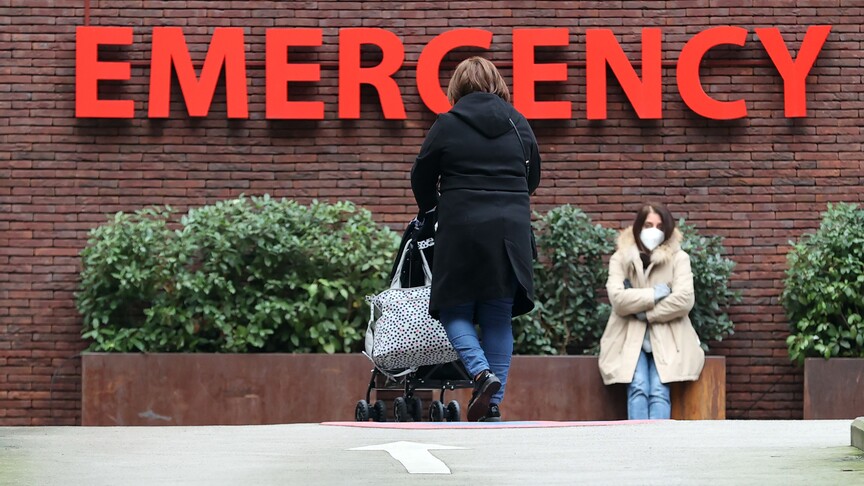
Those procedures were briefly implemented Monday evening at a hospital in Roeselare after a patient displayed possible Ebola-related symptoms. Laboratory tests later ruled out an Ebola infection and the alert was lifted.
On May 17, the World Health Organization (WHO) declared the Ebola outbreak affecting Democratic Republic of the Congo and Uganda a global health emergency after suspected infections and deaths continued to rise in eastern Congo and confirmed cases appeared outside the initial outbreak area.
Health authorities have previously warned that the outbreak continued spreading in parts of Africa, with neighboring countries also affected.
According to the Africa Centres for Disease Control and Prevention (Africa CDC), 10 countries -- Rwanda, Kenya, Tanzania, Angola, Burundi, Central African Republic, Republic of the Congo, Ethiopia, South Sudan and Zambia -- face risks linked to potential Ebola outbreaks.
WHO has also said that while the risk of global spread remains low, the situation continues to be monitored closely because of the number of cases, infections among healthcare workers and outbreaks in urban areas.