ANKARA
Turkey is a specific example of a country caught in the cross-currents of diverging monetary policies in the eurozone and the U.S., the European Bank for Reconstruction and Development said in a report released on Thursday.
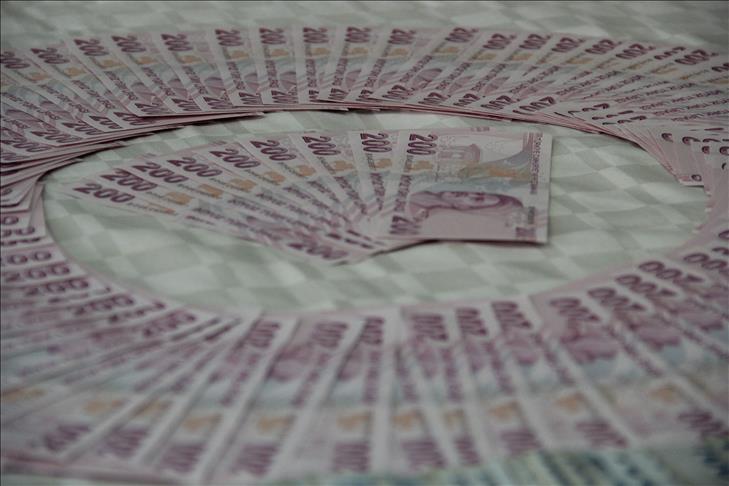
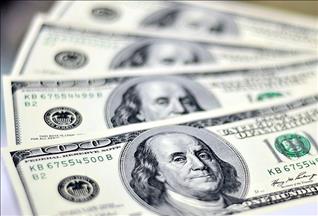
The EBRD’s latest Regional Economic Prospects report stated: "Turkey’s capital inflows, which largely depend on the lira-dollar rate, may be squeezed as the lira weakened to the dollar by 13 per cent since the beginning of 2015, in expectations of US monetary policy tightening.
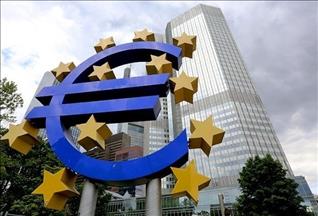
"Diverging monetary policy in the two currency areas will likely continue to add to currency volatility in Turkey, although perceived domestic policy volatility may also play a role."
Nevertheless, weakening against the dollar may not translate to gains in net exports, since Turkey’s main trading partner is the eurozone, and the lira weakened to euro by more moderate 6 percent in the same period, according to the report.
Turkey’s economic growth will remain broadly unchanged at 3 percent in 2015 and 2016, the report forecast.
The positive impact of lower oil prices on growth will likely be offset by continuing weakness in external demand and developments in the euro-dollar exchange rate.
Turkey became the largest single recipient of EBRD investment last year.
The EBRD report also predicted overall stagnation in 2015 across all 35 countries covered and meagre expansion of just 1.4 percent in 2016.
But the outlook masks stark regional differences.
Acting Chief Economist Hans Peter Lankes said: "This is a very diverse picture.
"There is definitely scope for optimism especially in countries closely tied to the eurozone, but the Russian recession is cause for concern in many other economies."