09 May 2016•Update: 23 May 2016
By Ahmed al-Masri
RIYADH
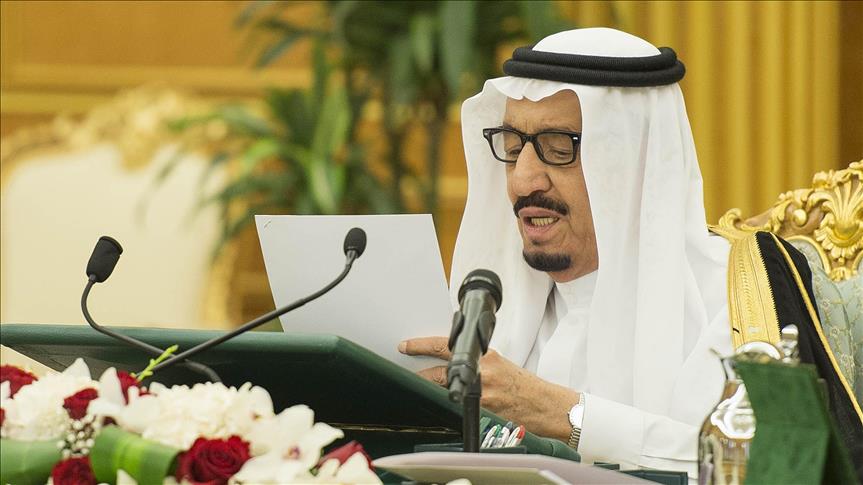
Five new cabinet ministers were sworn in on Monday by Saudi King Salman bin Abdulaziz following a major cabinet reshuffle in the oil-rich kingdom.
On Saturday, the Saudi monarch sacked long-serving Oil Minister Ali al-Naimi and restructured a number of ministries in a move that sparked concern across world oil markets.
The shake-up saw the creation of a new Energy, Industry and Natural Resources Ministry to be headed up by Khaled al-Falih, chairman of state oil company Aramco.
The reshuffle also included the appointment of Ahmed al-Kholifey as governor of the Saudi Arabian Monetary Agency and Majed al-Qusaibi as head of a new Commerce and Investment Ministry.
The shake-up also saw the country’s labor and social affairs ministries merged into a single ministry.
Oil concerns
In the wake of the cabinet reshuffle, al-Falih on Sunday attempted to calm fears regarding possible changes to Saudi Arabia’s longstanding oil-production policies.
"Saudi Arabia will maintain its current petroleum policies," he said in a statement.
"We remain committed to maintaining our role in international energy markets and strengthening our position as the world’s most reliable supplier of energy," he asserted.
He went on to stress Riyadh’s continued commitment "to meeting existing and additional hydrocarbon demand from our expanding global customer base backed by our current maximum sustainable capacity".
Last month, Saudi Arabia announced an ambitious reform program that aims to drastically reduce the country’s longstanding dependence on oil by the year 2030.
"The creation of a new ministry… that brings together the kingdom's abundant and unrivalled energy and mineral resources and industrial capabilities is in line with the ambitious objectives of Saudi Vision 2030," al-Falih declared.
Saudi Arabia, the world’s largest exporter of oil, has been hard hit by a recent slump in world energy prices.