BRUSSELS
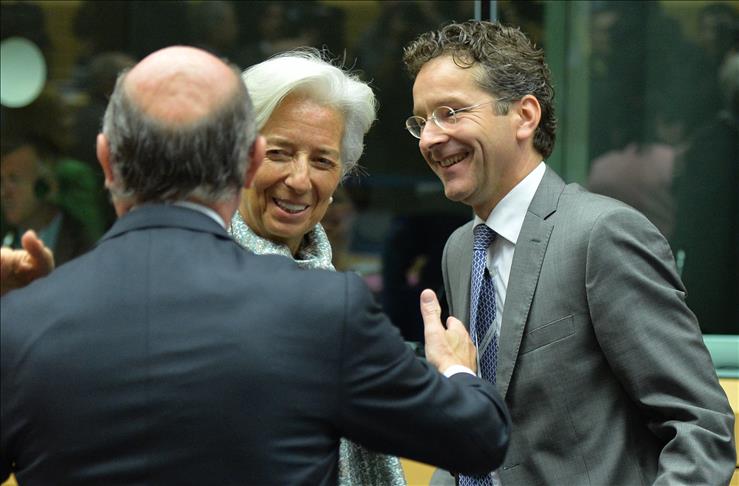
As debt talks between Greece and its creditors broke down late Wednesday, eurozone ministers gathered in Brussels on Thursday to discuss a plan proposed by the creditors.
Eurogroup President Jeroen Dijsselbloem told reporters ahead of the meeting: "We will have to hear in the Eurogroup meeting from the Greek side what their ideas are, what they could agree to, what they could not agree to. We will take it from there."
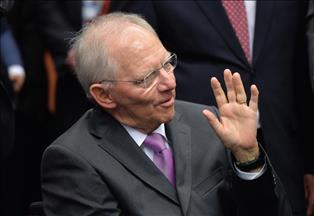
German Finance Minister Wolfgang Schauble said: "The decisions lie exclusively with the Greek authorities. They have, however, rather gone backwards."
"There is a greater distance rather than a rapprochement," Schauble added.
Greece had submitted a compromise plan ahead of Wednesday's meeting. A version of that plan was leaked to the media, which reportedly included changes in red ink made by the International Monetary Fund (IMF) to key points in the proposal. Anadolu Agency has obtained a copy.
The document reveals that the IMF is unwilling to accept the Greek plan, which relies heavily on tax increases. On most key points, the Greek government has accepted creditor proposals, even in fraught areas like pension reform and value-added tax.
Although the Greek plan would save $8 billion, the IMF proposed increased cuts in pensions, higher increases to value-added tax, plus less reliance on tax increases and public-sector spending.
IMF Managing Director Christine Lagarde told French magazine Challenges ahead of the talks Wednesday: "You can't build a program just on the promise of improved tax collection, as we have heard for the past five years, with little result."
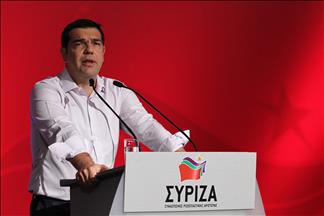
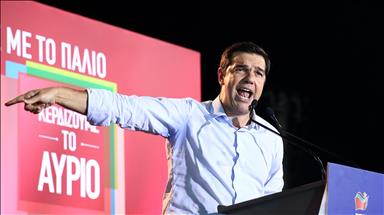
A key sticking point is also debt relief. Greek Prime Minister Alexis Tsipras has made an eventual restructuring of the country's $240-billion debt part of his proposals. Germany is not willing to accept any form of debt restructuring at this point in the talks.
German Finance Minister Wolfgang Schauble said Monday in a press conference that reaching an agreement would be "challenging" and that Greece should start preparing for the imposition of capital controls -- restrictions on access to bank deposits for consumers and businesses -- but many observers feel that such an approach would cause a crisis in the country.
Greece can still unlock the next $8.2 billion in bailout funds in time to meet its obligations to the IMF at the end of the month, if an agreement is reached by Saturday -- officials on both sides have promised to continue talks until then.
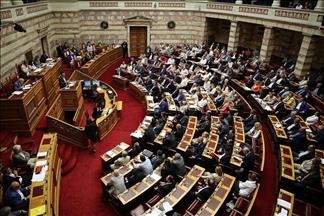
On Monday, Tsipras must propose whatever reforms have been agreed to the Greek parliament for approval. After that, Eurozone parliaments must ratify the accord.