Bahattin Gonultas
20 February 2026•Update: 20 February 2026
BERLIN
Germany’s $3.5 billion kamikaze drone purchase spurred a political crisis over the involvement of tech billionaire Peter Thiel, a “great friend” of the late convicted sex offender Jeffrey Epstein.
The landmark deal, which was supposed to be Germany’s first large-scale purchase of loitering munitions, is currently facing significant scrutiny due to Thiel’s involvement as a shareholder in the manufacturer of the deal, Stark Defense.
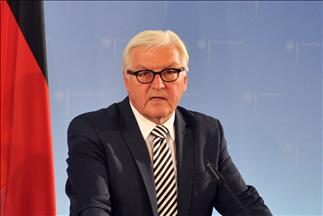
German Defense Minister Boris Pistorius called for the firm to clarify Thiel’s influence over the firm before the contract is signed, showing his support for the public backlash against the deal over Thiel’s involvement.
The backlash erupted due to Thiel’s background in co-founding US-based artificial intelligence (AI) software firm Palantir and his extensively documented past associations with the disgraced financier, Jeffrey Epstein.
Thiel and Epstein engaged in a great deal of email correspondence and in-person meetings between 2014 and 2019, discussing investment options, according to documents from the US Justice Department's Epstein Library.
Epstein allegedly received secret investment opportunities through Thiel’s Valar Ventures but the controversy does not end there — allegations that Epstein facilitated meetings between Thiel and people linked to Russian intelligence fueled the growing security concerns in Berlin.
The Green Party’s defense expert, Sebastian Schafer, who is leading the legal pushback against the deal, said Thiel’s stake in Stark Defense cannot be allowed to threaten European democracies.
The German Defense Ministry submitted a confidential report to lawmakers in response to the mounting criticism, which said Thiel holds only a passive minority stake through Thiel Capital, has no operational authority over the firm, and that the majority stake belongs to the founding team and workers, while the remaining shares are owned by some 50 different shareholders.
Despite these assurances, however, the debate threatens to overshadow the purchase of Stark Defense’s Virtus and Helsing HX-2 drones.
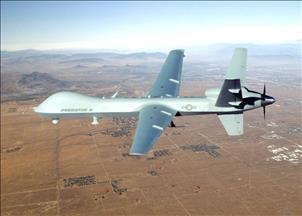
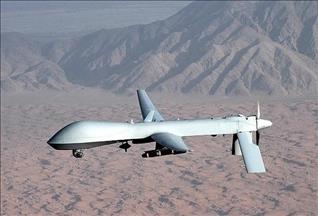
The Virtus is a vertical takeoff system that can penetrate 80-centimeter (31.4-inch) of tank armor and be operational in 10 minutes, while the smaller Helsing HX-2, weighing 12 kilograms (26.4 pounds), uses a catapult launch system for more agile systems.
The two systems leverage advanced AI algorithms to identify targets but German authorities demand that human operators will have the final say in striking targets.
If the deal goes through, this will be a turning point for the Bundeswehr, which will include comprehensive offensive drone capabilities in its inventory for the first time.
The equipment is slated for deployment with the 45th Panzer Brigade, which was activated in Lithuania on April 1, 2025, to enhance NATO’s eastern flank.
Meanwhile, the ethical and security debates continue over the vendor. The approval process for the deal is awaiting the scheduled date of Feb. 25.
Pistorius underlined that resolving the ownership uncertainty over the company is a national security priority, while the Green Party continues to put pressure on Berlin, claiming that firewalls cannot contain a political figure of Thiel's caliber.
The Defense Ministry views the deal as an inevitability in modern warfare but the opposition justifiably fears the long-term implications of this partnership with Thiel in the mix.
*Writing by Emir Yildirim in Istanbul