ANKARA
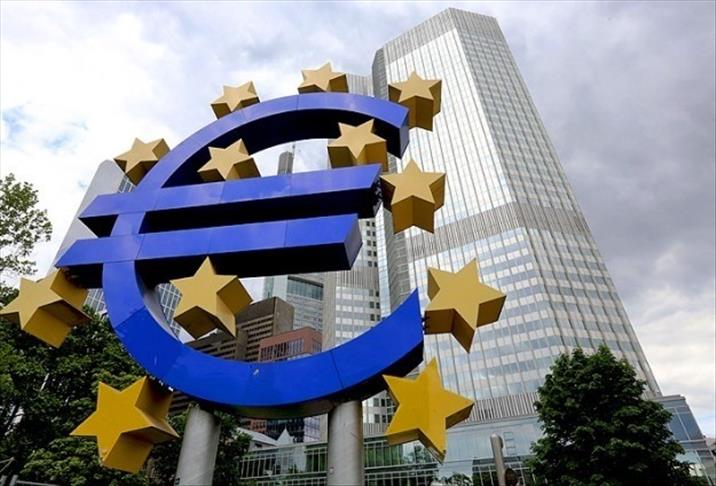
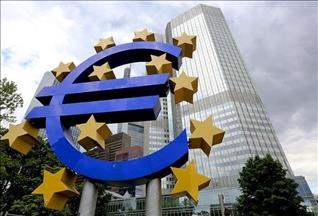
The European Central Bank on Thursday held its key interest rate at 0.05 percent.
The euro slipped to 1.105 against the U.S. dollar, an 11-year low, as investors awaited the start of the ECB's quantitative easing program which will inject €60 billion ($66.2 billion) per month in bond and debt purchases into the economy.
Ratings agency Moody’s, in a report published Thursday, pointed to a number of sectors that it predicts will receive a boost from the lower value of the euro.
“Continental automakers like BMW and Daimler with cheaper European cost bases and high non-European sales could see a benefit from the euro slide, while hotels and tourist companies enjoy more overseas visitors. On the other hand, airlines could bear the brunt with fewer people choosing to travel outside Europe,” said Anke Rindermann, Moody’s vice president and senior analyst.
The leading indicators for the Eurozone suggest growth will pick up in the early months of 2015, an encouraging sign for the European Central Bank, the Organization for Co-operation and Development said in a report published in February.
"Composite leading indicators...point to tentative signs of a positive change in growth momentum in the euro area, particularly in Germany and Spain," the organization said.
Economists said that the ECB’s quantitative easing program will boost growth.
"Eurozone money supply—cash and bank deposits—rose at an annualized nine percent in February; the last time it rose this fast, the Eurozone economy was soon growing by more than two percent,” notes Holger Schmieding, chief economist of Berenberg bank in Hamburg.
"Bank lending is growing again for the first time since 2008. Recent surveys suggest economic confidence is returning," Schmieding said in a note published on Feb. 27.
Growth is expected to be 1.7 percent in the bloc this year, up from the 1.5 percent predicted in November, according to the European Commission, the union’s executive arm. The economy is set to expand 2.1 percent in 2016, the commission said in its winter economic forecast.