ANKARA
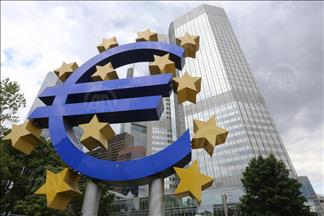
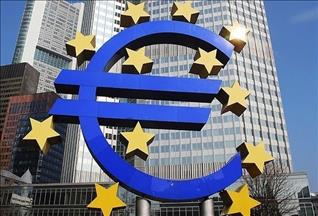
The inflation rate in the Eurozone has been confirmed at -0.3 percent in February, up from -0.6 in January, suggesting that the moderate economic recovery seen in the 18 individual countries is still under pressure.
According to figures released by Eurostat on Tuesday, today’s figure is still dangerously off the European Central Bank's target of two percent.
February’s -0.3 percent figure means deflation may prove a significant risk to the European economy in the forthcoming period.
The eurozone’s highest annual rate of 0.12 percent affected restaurants and cafes; rent prices rose to 0.11 percent and energy prices for transport fell by 0.64 percent.
With inflation staying under zero, anticipation of a period of deflation has led consumers to delay spending in the hope of cheaper prices in the near future, reducing the flow of money in the economy.
The European Central Bank began on Monday its 60 billion euro ($63 billion) a month bond-buying program (quantitative easing totaled 1.1 trillion euro) to stimulate growth and to ease the threat of deflation across the eurozone.
Eurozone employment rises in Q414
Separately, within the eurozone, employment rose 0.1 percent in the fourth quarter of 2014 after rising 0.2 percent in the third quarter and 0.3 percent in the second quarter of last year. Employment in the EU28 increased by 0.2 percent in the fourth quarter of last year.
There were 148.6 million employed people in the eurozone, 226.7 million people EU28 in the fourth quarter.
The Europe-wide statistics hide huge differences between economies. The highest increase rates of employment are in Spain, with 0.7 percent, and Ireland and Slovakia with 0.6 percent. Portugal recorded a decrease in employment with by 1.4 percent.