19 April 2016•Update: 22 April 2016
By Ainur Rohmah
TUBAN, Indonesia
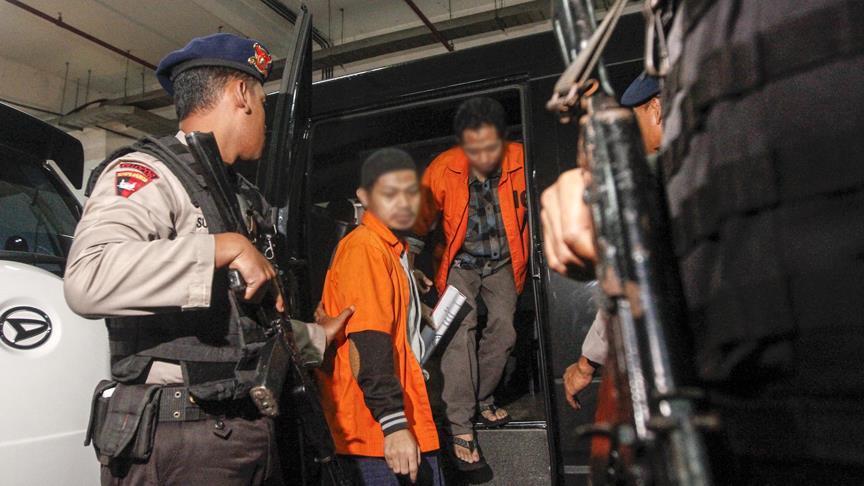
Indonesia has claimed that a number of attacks were planned on the archipelago by Daesh-affiliates last year, but only one -- an attack on its capital city in which 8 people died -- was successfully executed.
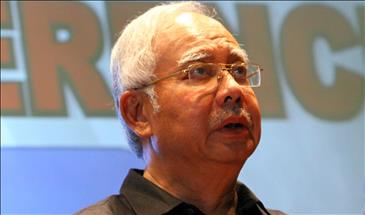
Speaking on Tuesday to an audience of foreign ambassadors -- among them Turkey’s Zekeriya Akcam -- the head of the country's Counterterrorism Agency explained the structure of Daesh’s local network.
Tito Karnavian said that there were three affiliates in Indonesia, each of which was led by a national suspected of being in Syria, and each of which had been planning an attack.
He added that in addition to the groups, an Indonesian -- Aman Abdurrahman -- imprisoned on the island prison of Nusakambangan is also believed to be an ideological leader in charge of an umbrella organization of extremist groups supporting Daesh.
"Under him [Abdurrahman], there are some network branches,” Kompas.com quoted Karnavian as saying, adding that one such group is believed to be hiding in the mountainous forests of central Sulawesi island.
Police suspect that Abdurrahman masterminded the attack that killed eight people -- including four assailants -- in Jakarta in January.
Karnavian said that some of the other groups allegedly guided by Abdurrahman had planned attacks in December and January at places such as the resort island of Bali, airports in Jakarta and tourist destinations countrywide.
He called on countries to combine to fight the global threat of terrorism, underlining that the war against terror also meant a war against the narratives of violence exploited by radical groups.
"Terrorism is not just about the brutal attacks that inflict physical damage, but also mistaken beliefs about religious teachings that continue to settle in the minds and hearts of some people, and this can not be tolerated," detik.com quoted Karnavian as saying.
Indonesia has been under pressure to toughen anti-terrorism legislation and supervision at prisons, while also being criticized by rights groups for not sufficiently protecting the rights of suspects.
In January, the government drew up plans for tougher anti-terrorism laws.