Beyza Binnur Donmez
13 May 2026•Update: 13 May 2026
The World Food Programme (WFP) said Wednesday that severe funding shortages are forcing it to sharply reduce food assistance operations in Syria, warning that millions remain at risk of worsening hunger.
WFP said in a statement that it reduced emergency food assistance by 50 percent, cutting the number of people reached from 1.3 million to 650,000 in May.
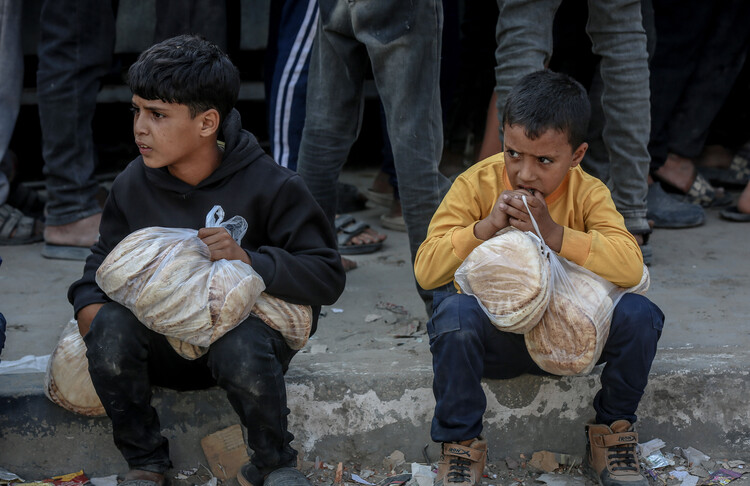
The agency also halted a nationwide bread subsidy program that had supported millions of people daily.
According to WFP, around 7.2 million people in Syria remain acutely food insecure, including 1.6 million facing severe hunger conditions.
The bread subsidy initiative previously supported more than 300 bakeries with fortified wheat flour, helping provide subsidized bread to up to 4 million people each day in vulnerable areas.
“The reduction in WFP’s assistance is driven solely by funding constraints, not by a decrease in needs,” Marianne Ward, WFP country director in Syria, said in the statement.
“This is a critical moment for Syria. Recovery remains fragile, needs are still severe, and we are being forced to withdraw a vital safety net at a time when people need it most,” she added.
WFP said funding shortages are also affecting Syrian refugees in neighboring countries.
In Jordan, the agency said it stopped cash-based food assistance for 135,000 Syrian refugees living in host communities while maintaining reduced support for around 85,000 refugees in camps.
In Egypt, assistance for 20,000 Syrians has been reduced, while many refugees in Lebanon remain heavily dependent on humanitarian aid.
Samer Abdeljaber, WFP regional director for the Middle East, warned that declining humanitarian support risks reversing years of progress and worsening food insecurity across the region.
WFP said it requires $189 million over the next six months to continue life-saving operations inside Syria and restore support for the most vulnerable communities.