17 December 2015•Update: 18 December 2015
NEW YORK
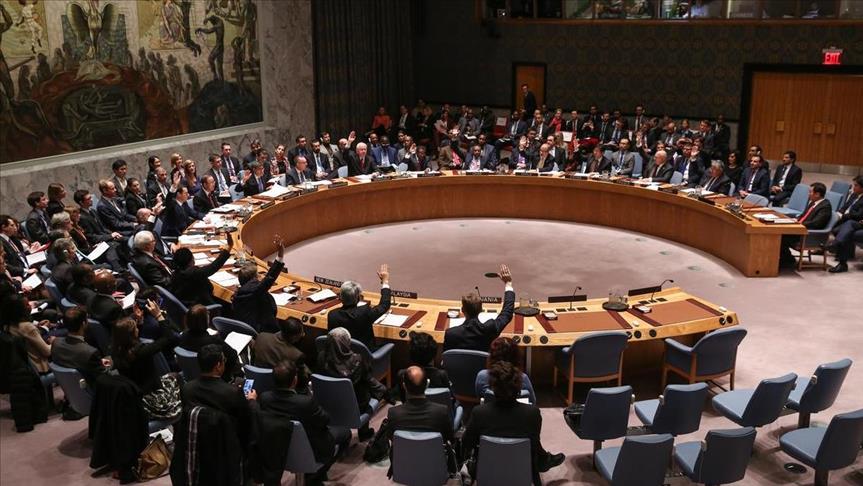
The UN Security Council on Thursday adopted a resolution seeking to enforce more assertive measures to curb Daesh funding.
Co-drafted by the U.S. and Russia, the resolution was unanimously endorsed at a meeting of Security Council finance ministers, the first of its kind.
The resolution demands countries take stricter measures to cut off sources of funding for Daesh, particularly from the oil trade, and expresses concern about the lack of implementation of previous resolutions aimed at disrupting the financing of terrorism.
It also decides that the previously imposed obligation that countries must prohibit anyone within their territories from making funds available for the benefit of terrorist organizations "applies even in the absence of a link to a specific terrorist act".
Daesh has been the subject of Security Council sanctions since mid-2013 under its "Al-Qaida Sanctions List". Thursday's resolution changes the name of the existing sanctions regime to "ISIL (Da’esh) and Al-Qaida Sanctions List".
U.S. Treasury Secretary Jacob Lew, who chaired the council meeting, said the resolution strengthened the international community's existing tools to cut Daesh off from economic resources and the international financial system.
"This resolution is a critical step, but the real test will be determined actions we each take after adoption," Lew said.
"Successful use of these counter-terror financing tools requires robust domestic implementation, deep collaboration with private partners, and intense multilateral coordination and information sharing," he added.
Speaking before the meeting, UN chief Ban Ki-moon said Daesh was running a multi-million dollar economy in territories under its control.
"Just as terrorist groups are innovating and diversifying, the international community must stay ahead of the curve to combat money-laundering and the financing of terrorism", Ban said.
"Today’s Security Council resolution will help intensify our efforts, identify new vulnerabilities and advance stronger and more efficient regulatory regimes, with due regard for human rights," he added.