16 February 2016•Update: 16 February 2016
By Max Constant
BANGKOK
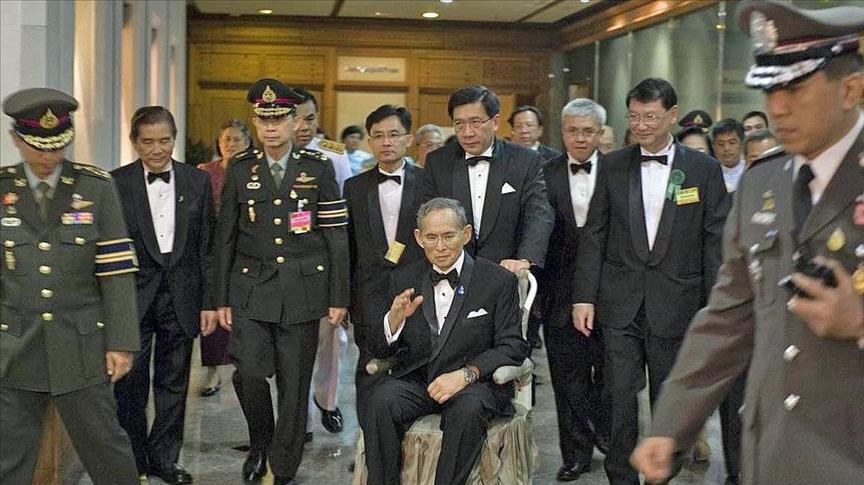
Thailand’s revered 88-year-old King Bhumibol Adulyadej has been treated for a “high fever” and “irregular breathing” in recent weeks, according to a health bulletin released by the royal household Tuesday.
“A team of royal physicians periodically administered antibiotic solution intravenously and continuously provided oxygen,” said the statement, adding that high blood pressure was discovered in the lung of the world’s longest reigning monarch last week.
“The physicians are now closely monitoring his condition” and “are trying to find the cause for his high temperature and irregular breathing,” according to the short statement.
Adulyadej, who is venerated as a demi-God by the majority of Thais, has repeatedly been placed under medical care since being hospitalized for flu and pneumonia in 2009.
The king has spent some time outside of the medical ward by traveling to his seaside ‘Far From Worries’ palace in Hua Hin, 200 kilometers (124 miles) south of Bangkok.
He was diagnosed with an intestinal inflammation in 2011 before suffering subdural bleeding in the front of his brain the following year.
Each health alert is cause for anxiety among Thai people, the majority of whom were born under his reign, which started in 1946 following the mysterious death of his brother, King Ananda, who was found dead with a bullet wound to his head in his bedroom.
Last month, the king made a trip of several hours to his Bangkok palace, his first outing in months.
In December, he presided over a televised swearing-in ceremony for judges held at the hospital where he is receiving treatment.
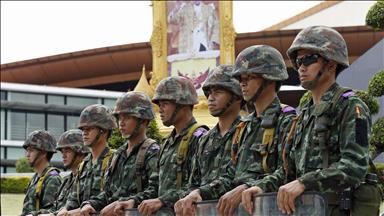
Adulyadej represents a unifying figure among the country's tenuous, military-controlled politics, and many Thais worry about the likely succession.
Crown Prince Vajiralongkorn – 63, who divorced his third wife in 2014 – is much less popular than his father.
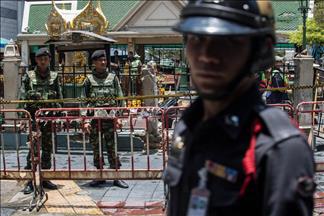
The tense political climate following the May 22, 2014 coup that overthrew an elected government, and deep divisions in the country between supporters of the traditional elite and those who want social change, have added to the sensitivity of the royal succession.
After a military-appointed assembly rejected a draft constitution on Sept. 6, extending the junta’s stay in power by 20 months, some analysts speculated that the military had organized the move to ensure their control over Thailand at the time of the succession.