12 April 2016•Update: 14 April 2016
By Esra Kaymak Avci
WASHINGTON
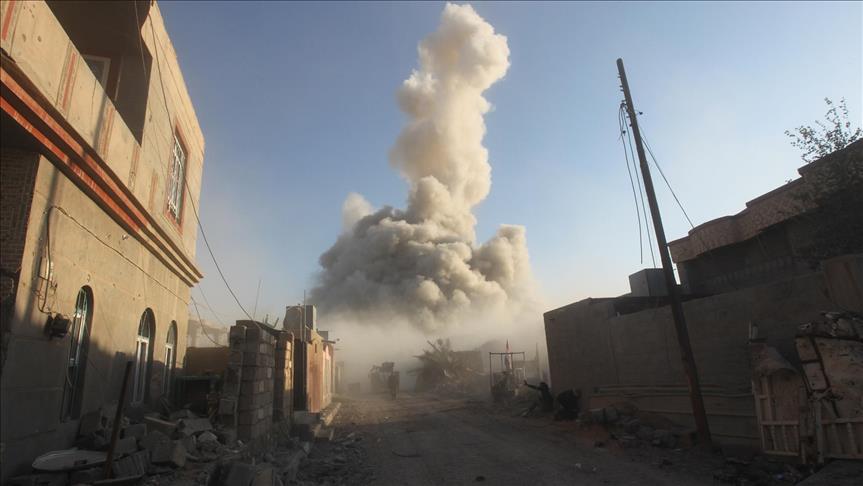
Fighting Daesh may result in more attacks in western countries, the former head of the U.S. counterterrorism said Tuesday.
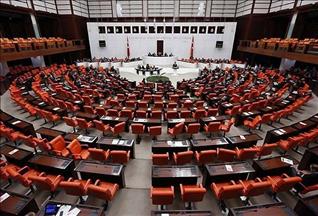
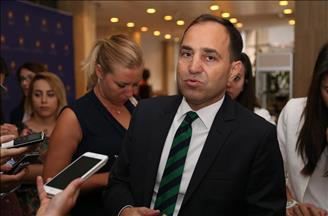
Testifying before the Senate Foreign Relations Committee, Matthew Olsen said despite efforts to shrink Daesh in Syria and Iraq, the group's strategic goal was still to establish a caliphate.
"Even as we constrain and have success in limiting ISIS [Daesh] on the battlefield in Syria and Iraq, you may actually see more of the types of attacks like we see in Paris and Brussels attack," he said.
"Those are very hard to stop and ISIS is in an effort to remain relevant, to dominate the news cycle [and this] may actually increase its efforts to carry out those type of attacks."
Saying that although the group can no longer operate in approximately 25 percent to 30 percent in Syria and Iraq, where it once dominated, Olsen stressed that Daesh has expanded to Libya and Yemen with new territory and fighters.
Libya is currently "the next most concerning nation," Olsen said, with approximately 6,500 Daesh fighters there.
Also worrying it the fact that more than 6,000 of the 40,000 total foreign fighters around the world are Europeans, according to Olsen, who said the U.S. should urge Europe to share more intelligence about border controls against Daesh attacks, while citing the attacks in Paris and Brussels as proof of his contention.
These attacks demonstrate that Daesh now has "both the intent and capability" to directly execute "sophisticated" attacks in Western Europe, he said. "These attacks reflect an alarming trend.”
The U.S. could utilize more cooperation with Muslim American communities to fight the ideology of Daesh, Olsen said, and there should also be global rejection of the unambiguous "hateful rhetoric that erodes that trust" against Muslims.
Also testifying was Graeme Wood, who agreed Daesh would continue to attack the U.S. and Europe while coalition operations continued.
The Edward R. Murrow Press Fellow at the Council on Foreign Relations said a response to Daesh's rise could involve not only military or political actions, but also "countercultural, religious, and existentially" by civil society.
Dr. Matthew Levitt, a terror expert at the Washington Institute for Near East Policy think tank, told lawmakers that Europeans were "very concerned" about Libya because of foreign fighters.
He agreed that European nations failed in intelligence sharing but said Turkey informed not only the Netherlands but Belgium, too, about an individual later named as one of the Brussels attackers. That information was not shared among European authorities.