Merve Aydogan
17 February 2026•Update: 17 February 2026
HAMILTON, Canada
Canadian mining company Sherritt International Corporation announced Tuesday that it will pause mining activities at its joint venture in Moa, Cuba, due to fuel supply constraints affecting the country.
"The Corporation expects to pause mining operations and place the processing plant on standby within the next week during which time, planned maintenance activities will be performed," it said in a statement.
Noting that it had been notified that planned fuel deliveries to Moa will not be fulfilled, and that the timeline for resumption remains unknown, the company stated that it is "actively engaging with relevant counterparts and evaluating all options for sourcing input commodities."
"Currently, there is no immediate impact on operations in Fort Saskatchewan, Alberta," it added, stating that the refinery continues to produce finished nickel and cobalt for sale.
But available feed inventory is expected to last until mid-April, said the statement.
Sherritt is a world leader in hydrometallurgical processes to mine and refine nickel and cobalt, and operates what it describes on its website as the only significant cobalt refinery and one of just three nickel refineries in North America.
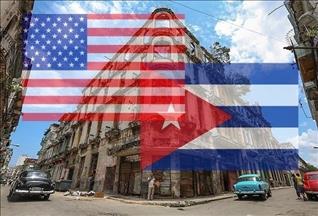
The announcement comes as Cuba's fuel crisis worsened after the US cut off oil supplies from longtime ally Venezuela, which had been shipping tens of thousands of barrels daily to the island.
US President Donald Trump also threatened to impose tariffs on any country that sells oil to the island.
Since the Trump administration's Jan. 3 military operation to capture Venezuelan President Nicolas Maduro, a longtime supporter of Cuba's government, it has sought to strengthen the US position on Cuba.
In a late January executive order, Trump described the Cuban government as posing "an unusual and extraordinary threat," saying that a declaration of a national emergency was necessary.
Cuba meets about one-third of its energy demand with domestic production, according to sources cited by the Spanish wire service EFE. For the remainder, it depends on imports, primarily from Mexico and, to a lesser degree, Russia, with Venezuela accounting for around 30% of total supplies in 2025.