Gulcin Kazan Doger
19 January 2026•Update: 19 January 2026
ISTANBUL
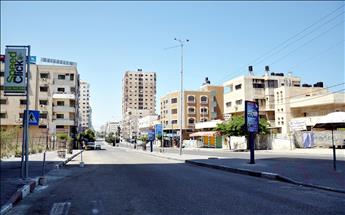
Istanbul’s first boycott market, "Free Gazza" -- which echoes the Turkish spelling of the enclave, Gazze -- has opened in the city’s Beylikduzu district as part of a movement targeting brands linked to Israel, with organizers saying the initiative reflects a growing emphasis on local production and conscious consumer choices.
The market, which began operating last month, does not sell products associated with what its founders describe as Zionism. Instead, it prioritizes locally produced goods and items deemed consistent with boycott principles.
Naile Aktas, the manager of the shop, told Anadolu the idea emerged amid calls to take action against Israeli oppression in Gaza.
“At least we said, ‘Let’s not buy their products, let’s cut off their money,’” Aktas said, adding that the market opened at a time when the importance of local and national production is increasingly recognized.
Aktas said the market is collectively owned by its supporters rather than a single individual. She said contributors donated whatever they could, ranging from small amounts of jewelry to cash.
“The market doesn’t belong to one person, it belongs to all of us,” she said. “Free Gazza is the market of all boycott supporters.”
She said the market focuses primarily on local products, describing them as capital that returns to and strengthens the public. Non-local products, such as imported items, are sold only if they are not linked to Israel, with local alternatives prioritized.
Aktas said public awareness of boycotts has grown, noting that customers increasingly apply their own criteria when shopping.
“If a local brand has excessively high prices, we don’t stock it,” she said. “It’s not enough that a product doesn’t support Zionism; it must also align with the public’s understanding of boycott.”
Aktas said the market’s English name was chosen to reach audiences beyond Türkiye. She said the founders hope the concept could expand internationally.
“Right now, we are a single drop, but we are destined to become a vast ocean,” she said, adding that the goal is to raise global awareness by opening similar markets elsewhere.
She also described boycott as a powerful social tool, urging continued participation and awareness.
An employee at the market, Muhammed Inan, said the focus is on customer trust and transparency. He said the store sells only local products and meat from halal slaughter.
“People say we save them the trouble of researching, and now they can shop with peace of mind,” Inan said, adding that customers travel from across Istanbul to support Gaza, local producers and the market itself.
Inan said he believes similar initiatives could grow worldwide, encouraging consumers to support local companies and humanitarian causes through their purchasing choices.
One customer, who asked not to be identified, said recent events made them more aware of how common certain brands linked to Israel were in their home. The customer said they now try to avoid buying such products whenever possible.
While acknowledging that explaining boycotts to children can be difficult, the customer said family members have begun to understand the reasons behind the choice and welcomed the opportunity to shop without concern, even if the market is not close to their home.