Anadolu Ajansı © 2026


ANKARA
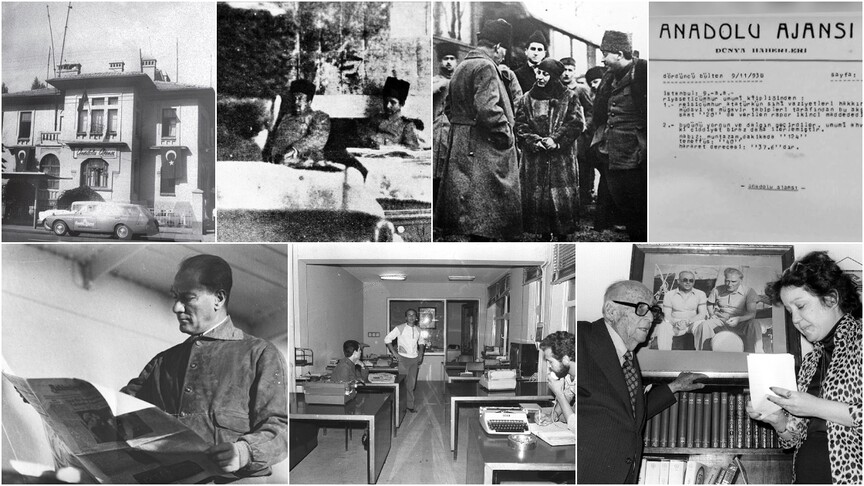
Anadolu, founded on April 6, 1920 at the directive of Mustafa Kemal Ataturk during the Turkish War of Independence, meant to keep the public informed in the face of provocations that could undermine national unity and to announce decisions shaping the national struggle, is celebrating its 106th anniversary.
The establishment of Anadolu came at a critical juncture, a turning point in the Turkish War of Independence.
Following the de facto occupation of Istanbul, intellectuals Yunus Nadi (Abalioglu) and Halide Edip (Adivar), who were traveling to Anatolia to join the resistance, discussed the idea of establishing a news agency upon reaching Ankara, the Republic of Türkiye’s future capital, during a stop at the Geyve-Akhisar (Pamukova) Train Station.
Deliberating the agency’s name, and considering such options as “Turk,” “Ankara,” and “Anatolia,” they reached a consensus on “Anadolu Agency.”
According to Yunus Nadi, the idea was presented to Mustafa Kemal Pasha (later Ataturk) after dinner at the Ziraat School (now the Meteorology Directorate), which served as his headquarters, on the evening of April 4 or 5. Following this discussion, Anadolu was officially established on April 6, 1920, at the instructions of Mustafa Kemal Pasha.
Circular signed by Mustafa Kemal sent nationwide
A circular dated April 8, 1920 announcing the establishment of Anadolu on behalf of the Representative Committee, signed “Mustafa Kemal,” was sent across the country.
The historic circular emphasized the importance of informing both the domestic and international public about the ongoing struggle.
Originally written in Ottoman Turkish, it said that due to the occupation of the imperial center and the grave threats facing the nation, it had become essential to ensure that Muslims are informed with accurate news during the sacred national struggle across Anatolia and Rumelia.
As a result, a new institution named “Anadolu Agency” was established under a special committee of authorized individuals.
The circular also stressed that the agency’s reports, based on verified sources, should be widely disseminated, posted in public spaces, distributed, and delivered even to villages.
Establishment met with enthusiasm across Anatolia
The founding of Anadolu generated great excitement across Anatolia, where people closely followed developments related to the National Struggle and the government in Ankara.
After Mustafa Kemal’s circular, congratulatory telegrams poured into Ankara from across the country, expressing readiness to support the distribution of Anadolu bulletins.
Anadolu continued its work from a room at the Ziraat School, which served as Mustafa Kemal’s headquarters.
Yunus Nadi later described those early days, noting that he and Halide Edip began operating the agency’s services under harsh weather conditions in Ankara, soon joined by Istanbul Deputy Ali Riza Bey.
First news published on April 12, 1920
Despite difficult conditions, Anadolu began publishing its first reports on April 12, 1920.
The first bulletin outlined the country’s situation and emphasized the agency’s mission, highlighting the importance of distributing bulletins and establishing a structured network to ensure their regular dissemination.
It included both domestic and international news.
The bulletin announced that Anadolu had begun its mission to provide the most accurate news to the public and called for its reports to be widely shared, posted at telegraph offices, printed wherever possible, and distributed down to districts and villages.
Neglect in distributing bulletins deemed ‘treason’
Anadolu placed great importance on ensuring its reports reached all parts of the country. In the early days it was decided that at least two bulletins would be published daily.
In a circular sent on April 18, 1920, Mustafa Kemal Pasha described any negligence in distributing Anadolu bulletins as a “crime against the homeland.”
Another circular, dated May 5, 1920, called for all means to be used to ensure bulletins reached even the remotest areas, with investigations requested into delays.
Measures were also taken to ensure that Anadolu reports reached not only the public but also military units at the front lines.
Anadolu bulletins were also distributed to the Anatolian press to strengthen public resistance to pressure and occupation attempts by Allied powers. Efforts were made to secretly deliver Anadolu reports to occupied Istanbul and pro-independence newspapers.
Containing official statements of the Ankara government, key international developments, public warnings, news from the Grand National Assembly (parliament) and the front lines, and responses to enemy propaganda, Anadolu bulletins fulfilled a critical need, effectively opening a second front in the War of Independence known as the “press.”
Anadolu’s global influence continues to grow
Ranked among the world’s most influential and respected news agencies, Anadolu covers real-time developments from the most active regions to its subscribers, distinguishing itself with coverage from challenging environments and strong visual content.
Providing news, photos, and videos in 13 languages – Turkish, English, Arabic, Russian, French, Spanish, Sorani, Persian, Indonesian, Bosnian, Albanian, Macedonian, and Kurmanji – Anadolu is widely followed not only in Türkiye but globally.
In addition to these languages, the agency recently launched a Turkish Sign Language social media channel called “Eller Konusur” to facilitate fast and easy access to reliable news for the hearing impaired.
This channel is available on US social media platform Instagram as @aa.isaret and on Turkish social media platform NSosyal as @aa_isaret.
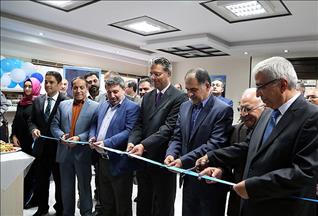
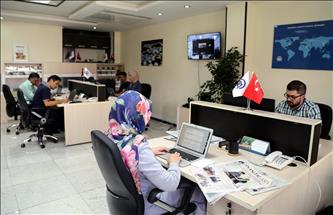
Operating 24/7 through its global correspondent network, Anadolu has 84 offices across Türkiye’s 81 provinces and 38 offices abroad.
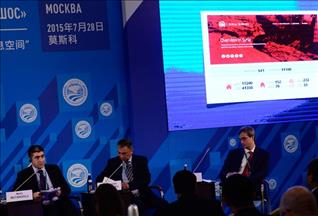
Under its motto “Reporting the Changing World,” the agency continues to expand its international presence, cooperating with 49 global news agencies to provide content worldwide.
New platforms to raise awareness
As part of its mission to become a key reference source globally and raise awareness, Anadolu has also introduced platforms such as the Green Line, Fact Check Line, and Discrimination Line.
The Green Line, established to raise awareness of climate change and environmental issues, provides environment-focused content free of charge to subscribers.
The Discrimination Line serves as a content hub reporting on discrimination-related issues, such as racism, gender inequality, hate speech, Islamophobia, and xenophobia, in multiple languages.
Meanwhile, the Fact Check Line contributes to Türkiye’s fight against disinformation by investigating and verifying news circulating in traditional and social media and sharing its findings with the public.
According to Yunus Nadi, the idea was presented to Mustafa Kemal Pasha (later Ataturk) after dinner at the Ziraat School, which served as headquarters, now the General Directorate of Meteorology, on the evening of April 4 or 5. Following this discussion, Anadolu was officially established on April 6, 1920, upon Mustafa Kemal Pasha’s instruction.
Circular signed by “Mustafa Kemal” sent nationwide
A circular dated April 8, 1920, announcing the establishment of Anadolu on behalf of the Representative Committee and signed “Mustafa Kemal” was sent across the country.
The historic circular emphasized the importance of informing both domestic and international public opinion about the ongoing struggle.
Originally written in Ottoman Turkish, it stated that due to the occupation of the imperial center and the grave threat facing the nation, it had become essential to ensure that Muslims were informed with accurate news during the national and sacred struggle across Anatolia and Rumelia.
As a result, a new institution named “Anadolu Agency” was established under a special committee of authorized individuals.
The circular also stressed that the agency’s reports, based on verified sources, should be widely disseminated, posted in public spaces, distributed, and delivered even to villages.
Establishment met with enthusiasm across Anatolia
The founding of Anadolu generated great excitement across Anatolia, where people closely followed developments related to the National Struggle and the Ankara government.
After Mustafa Kemal’s circular, congratulatory telegrams poured into Ankara from across the country, expressing readiness to support the distribution of Anadolu bulletins.
Anadolu continued its work from a room at the Ziraat School, which served as Mustafa Kemal’s headquarters.
Yunus Nadi later described those early days, noting that he and Halide Edip began operating the agency’s services under harsh weather conditions in Ankara, soon joined by Istanbul deputy Ali Riza Bey.
First news published on April 12, 1920
Despite difficult conditions, Anadolu began publishing its first reports on April 12, 1920.
The first bulletin outlined the country’s situation and emphasized the agency’s mission, highlighting the importance of distributing bulletins and establishing a structured network to ensure their regular dissemination.
It included both domestic and international news.
The bulletin announced that Anadolu had begun its mission to provide the most accurate news to the public and called for its reports to be widely shared, posted at telegraph offices, printed where possible, and distributed down to districts and villages.
Neglect in distributing bulletins deemed ‘treason’
Anadolu placed great importance on ensuring its reports reached all parts of the country. It was decided that at least two bulletins would be published daily in the early period.
In a circular sent on April 18, 1920, Mustafa Kemal Pasha described any negligence in distributing Anadolu bulletins as a “crime against the homeland.”
Another circular dated May 5, 1920, called for all means to be used to ensure bulletins reached even the most remote areas, with investigations requested into delays.
Measures were also taken to ensure that Anadolu reports reached not only the public but also military units at the front lines.
Anadolu bulletins were also distributed to the Anatolian press to strengthen public resistance against pressure and occupation attempts by Allied powers. Efforts were made to secretly deliver Anadolu reports to occupied Istanbul and pro-independence newspapers.
Containing official statements of the Ankara government, key international developments, public warnings, news from the Grand National Assembly and the front lines, and responses to enemy propaganda, Anadolu bulletins fulfilled a vital need, effectively opening a second front in the War of Independence known as the “press.”
Anadolu’s global influence continues to grow
Ranked among the world’s most influential and respected news agencies, Anadolu delivers real-time developments from the most active regions to its subscribers, distinguishing itself with coverage from challenging environments and strong visual content.
Providing news, photos, and videos in 13 languages, Turkish, English, Arabic, Russian, French, Spanish, Sorani, Persian, Indonesian, Bosnian, Albanian, Macedonian, and Kurmanji, Anadolu is widely followed not only in Türkiye but globally.
In addition to these languages, the agency recently launched a Turkish Sign Language social media channel titled “Eller Konusur” to facilitate fast and easy access to reliable news for the hearing impaired.
This channel is available on US social media platform Instagram as @aa.isaret and on Turkish social media platform NSosyal as @aa_isaret.
Operating 24/7 through its global correspondent network, Anadolu has 84 offices across Türkiye’s 81 provinces and 38 offices abroad.
Under its motto “Reporting the Changing World,” the agency continues to expand its international presence, cooperating with 49 global news agencies to provide content worldwide.
Platforms launched to raise awareness
As part of its mission to become a key reference source globally and raise awareness, Anadolu has also introduced platforms such as the “Green Line,” “Fact Check Line,” and “Discrimination Line.”
The “Green Line,” established to raise awareness on climate change and environmental issues, provides environment-focused content free of charge to subscribers.
The “Discrimination Line” serves as a content hub reporting on discrimination-related issues, such as racism, gender inequality, hate speech, Islamophobia, and xenophobia, in multiple languages.
Meanwhile, the “Fact Check Line” contributes to Türkiye’s fight against disinformation by investigating and verifying circulating news in traditional and social media, sharing findings with the public.
news_share_descriptionsubscription_contact

contact_the_ombudsman
is_there_an_error_in_this_story