By Francis Maingaila
LUSAKA
Zambian Finance Minister Alexander Chikwanda defended a decision to remove subsidies on fuel and maize, insisting that the government could not run a subsidy regime at the expense of other pressing national programs, such as poverty reduction and road and hospital construction.
"Fuel subsidies inflict a heavy burden on government's budgets and add to wasteful consumption, which in turn, diverts much-needed resources from more pressing needs, such as health, education and infrastructure development," Chikwanda told the Anadolu Agency in an exclusive interview.
The minister added that the government could not continue running its current subsidies program given its scarce resources.
In May, the government removed fuel subsidies across the board, while also removing maize subsidies for millers. It retained maize subsidies for farming inputs, however.
Subsidies account for 60 percent of Zambia's state budget.
Finance Ministry figures indicate that the government spent nearly 750 million Zambian kwacha (KR) on fuel subsidies last year, while the estimated cost of subsidies this year would have exceeded KR 1.1 billion.
Chikwanda believes fuel subsidies are often regressive, with the greatest benefit going to the richest segment of the population.
He argued that, while private-sector actors and trade unions complain of rising production costs coupled with the loss of export competitiveness, consumers complain about rising living costs.
He believes people have been directly affected by the higher prices for fuel used in private transportation.
"Fuel subsidies are a very costly approach to protecting the poor," the minister insisted.
"This is due to substantial benefit linkage to higher income groups," he added. "In absolute terms, the top income quintile captures more in subsidies than the bottom."
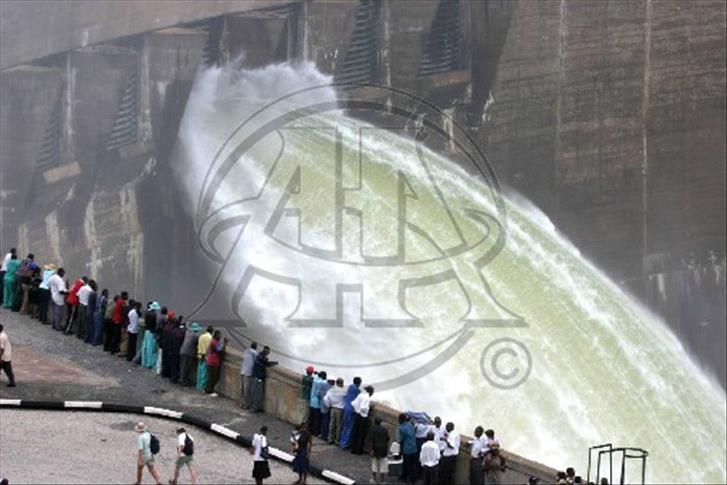
Chikwanda explained that the removal of subsidies would help increase investments in the electricity-generation sector and enable many Zambian households to receive electricity.
"The removal of subsidies will give us great opportunities for hydropower, and these should be exploited to the full," he told the AA.
"As the government, we are going to save from the removal of fuel and maize subsidies, which will be channeled towards power-generation projects and the improvement of health and education facilities," Chikwanda asserted.
"But this won't happen without sacrifice now and [people will] reap the benefits tomorrow," he added.