UNITED NATIONS
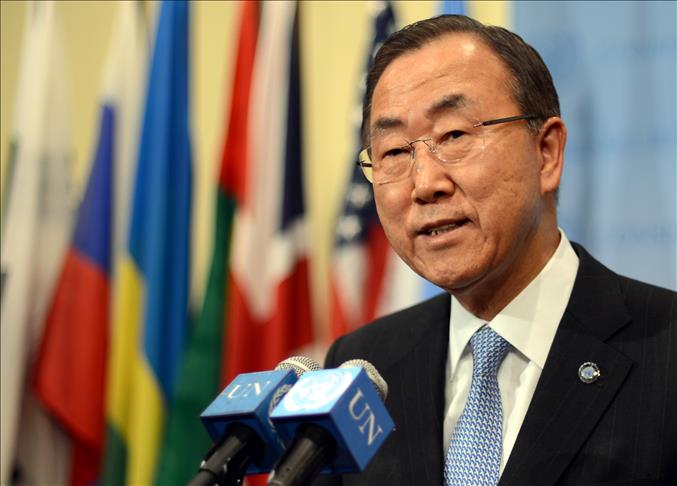
"No one -- not Jews, Muslims or anyone else -- should suffer or be targeted because of the creed they follow, the clothes they wear or the other markers of identity," UN Secretary General Ban Ki-moon said on Tuesday in New York.
"We must find ways to work together more closely and more concertedly than ever before," he added, talking at an event that marked 50th anniversary of the Conference of Presidents of Major American Jewish organizations in New York.
Mr. Ban stressed it was "too much at stake" to allow any discrimination to persist. Instead, Ban said, anti-Semitism has no place in the 21st Century, and the values of equality, tolerance and dignity should prevail.
Talks with Palestinians a must
At the same event Ban Ki-moon also stressed the importance of the resumption of Israeli-Palestinian negotiations and rejecting "a dangerous status quo."
"This may well be the last chance to save the two-state solution," Ban said.
He also tackled the conflict in Syria, adding the international community also must do everything "to end the horrendous conflict", and be "receptive to openings that present themselves across the region."
Conferences in December and January
Mentioning the horrors of the Holocaust, Ban announced that in December, on the 65th anniversary of the Genocide Convention, the United Nations will invite together experts to discuss the challenges of genocide prevention today.
Also, in January, UN will observe of the International Day of Commemoration in Memory of the Victims of the Holocaust -- the date of which marks the anniversary of the liberation of Auschwitz.
"I have paid my respects at mass graves in Kigali, stood with the widows of the victims of the massacre at Srebrenica, and stared disbelievingly at the human skulls on display at the Tuol Sleng museum in Phnom Penh," the UN chief said.
"Therefore, it is only right that a secretary general of the United Nations also visit Auschwitz," he said.
He said he will visit the memorial place soon, to signal his and UN’s "commitment to the essential work of remembrance and prevention."
By Erol Avdovic