By M. Bilal Kenasari, Turgut Alp Boyraz - Anadolu Agency
ANKARA
Egypt's economy has collapsed since the country's first democratically-elected government was ousted, according to a minister in the deposed government.
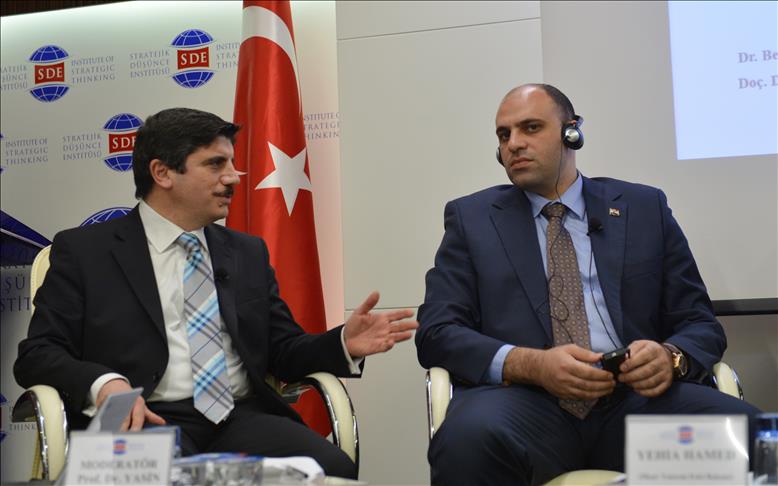
The country is in its "worse situation ever," Yehia Hamed told Anadolu Agency. "Almost 400 factories (have) shut down and closed their stores, and thousands of people" have lost their jobs.
Hamed - investments minister in Mohamed Morsi's goverment - claimed 25 percent of Egyptian adults are currently unemployed, contradicting the interim government's figure of 13 percent.
The Egyptian army launched its coup in July 2013. It suspended the constitution and ousted the government after accusing President Morsi of consolidating power and ignoring Egypt’s grave economic and security problems.
General Abdell Fattah al-Sisi has appointed Adly Mansour as acting president, while Morsi's party - the Muslim Brotherhood - has been banned, frequently bringing its supporters out onto the streets.
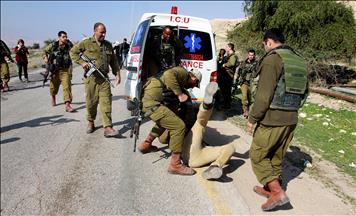
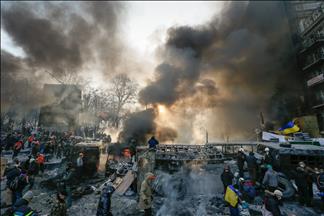
For months, the capital Cairo has been wracked by violence, the Junta firing on demonstrators while bombs have exploded outside buildings. Hamid said around 21,000 people have been arrested, 20,000 injured and 7,100 killed.
Hamed alleged inflation has leapt to a very high percent, even in the most basic things - "rice, wheat... it is (up) about 40 percent."
"The government (also) claimed that they have applied the minimum wage, but it's only for governmental sector and they are not able to apply minimum wage to the private."
To prop up the economy, Hamed claimed the dictatorship has been forced to borrow $16 billion from Saudi Arabia, the United Arab Emirates and Kuwait.
Reuters news agency reported last week that Dubai retailer Majid Al Futtaim, which holds the Carrefour franchise in the Middle East, plans to invest about $2.3 billion in Egypt in the next few years, a sign of Gulf investors' growing interest in the Egyptian economy.
But Hamed claimed that such announcements are just a smokescreen.
"They just want to give the impression things are alright in Egypt, but in reality no one is coming".
"If investors see people getting killed on the streets and aggressive violence against human rights... no big investors will come."
Hamed said tourism had dropped 40 percent following the 2011 popular uprising, plummetting a further 75 percent after the military coup.
"They are killing our economy, and they are killing our aspirations," he said.
englishnews@aa.com.tr