04 April 2016•Update: 14 April 2016
By Vasiliki Mitsiniotou
ATHENS
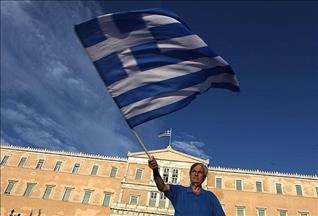
A new round of talks on the closing evaluation of the Greek bailout programme started Monday in a difficult climate after the release of secret transcripts by WikiLeaks.
Monday’s agenda included a series of thorny issues including pension reforms, tax issues and additional fiscal measures worth €1.8 billion [$2 billion].
The Greek government is looking to conclude the evaluation by mid-April and hopes for debt relief afterwards.
However, over the weekend WikiLeaks revealed a purported conversation which took place last month between two leading IMF officials.
According to the leak the IMF would leave the program through an “event” regarding Greece’s bailout review so that European states would be forced to accept the IMF’s position.
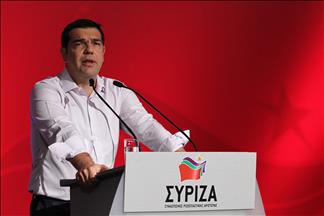
“The strategy of obstruction in the negotiations in order to create credit-event conditions in Greece shortly before the British [EU] referendum is indeed a great nonsense. A nonsense that we all must prevent," read a Greek statement issued after a meeting under the chairmanship of Prime Minister Alexis Tsipras on Monday.
After the WikiLeaks revelations, Tsipras wrote to IMF chief Christine Lagarde on Saturday asking for clarification on whether the Fund had attempted to force Greece towards bankruptcy so an agreement between lenders could be reached on the country’s bailout.
The Greek premier also made a series of contacts with Angela Merkel, Mario Draghi, Martin Schulz and continued with Francois Hollande and U.S. Vice-President Joe Biden on Monday.
Lagarde responded to the PM’s letter claiming that “any speculation that IMF staff would consider using a credit event as a negotiating tactic is simply nonsense” and expressed her concern on how WikiLeaks revelations may affect the negotiations.
“We are still a good distance away from having a coherent program,” she said in the letter, urging the Greek government to “ensure an environment that respects the privacy of their internal discussions and take all necessary steps to guarantee their personal safety”.