03 November 2015•Update: 04 November 2015
LONDON
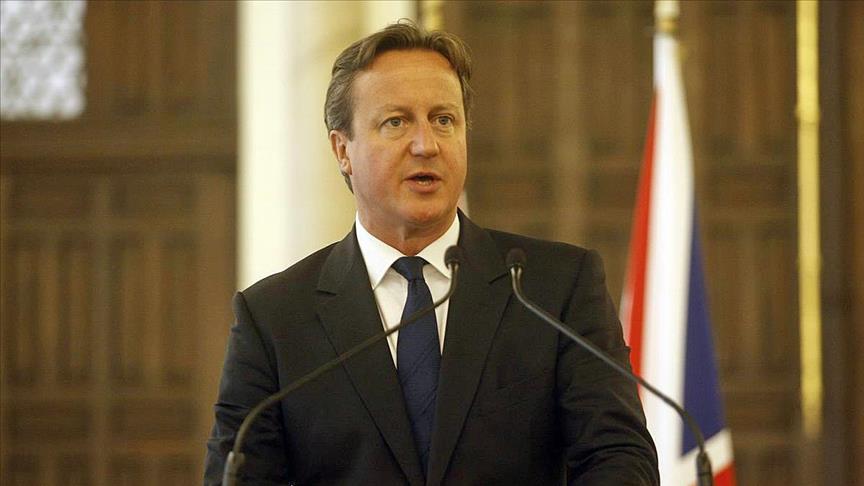
The prospect of British air strikes against Daesh in Syria appear no closer after U.K. newspapers claimed Prime Minister David Cameron had abandoned plans to seek parliamentary approval.
The Times and Guardian both reported on Tuesday that Cameron would not push for a vote because he had failed to persuade enough opposition MPs to support the motion and the launch of Russian air strikes over Syria had complicated the situation.
However, sources at Downing Street told Anadolu Agency that the prime minister's position "hasn't changed" and that he still wants a parliamentary vote on the issue if a consensus can be achieved.
The reports came on the same day an influential parliament committee said it was “not yet persuaded” that air strikes could defeat Daesh and help end the Syrian civil war.
Cameron has repeatedly said he wants to see the U.K. striking Daesh targets from the air in Syria, much like it currently does over Iraq.
He told BBC radio last month the action was vitally important because Daesh fighters are “plotting day-by-day to kill and maim people on the streets of Britain”.
However, Cameron has been reluctant to push for a House of Commons vote, which is compulsory before launching military action, until he can build a cross-party consensus on the issue.
A previous attempt to approve air strikes in Syria was rejected when members of Cameron’s Conservative Party joined the opposition Labour Party in voting against the motion.
Tuesday’s newspaper reports said Cameron had failed to find sufficient votes from Labour to compensate for an expected rebellion among his own party and ensure a motion passes.
Russian President Vladimir Putin’s decision to launch strikes to bolster Syrian leader Bashar al-Assad had also created the risk of air clashes with Russian air forces, The Times said.
However, a Downing Street source said: “The Prime Minister’s position hasn’t changed. He’s consistently said that we would only go back to the House on this issue if there was clear consensus and that remains the case."
“Meanwhile, the government continues to work to bring the conflict to an end in Syria and we are working closely with our allies to inject greater momentum into efforts to find a political solution, which we’ve always said will be the way to bring this war to an end and give Syria hope for the future.”
It came as Britain’s cross-party Foreign Affairs Select Committee recommended against a parliamentary vote because it did not yet believe military action would work.
In a report it based on evidence from a number of witnesses including the Syrian Observatory for Human Rights, the Conservative-majority committee said it was “not persuaded by the Government’s attempts to treat ISIL [Daesh] in Syria and the broader Syrian civil war as separate issues, and note that our witnesses called for a more joined-up strategy to tackle closely interlinked crises."