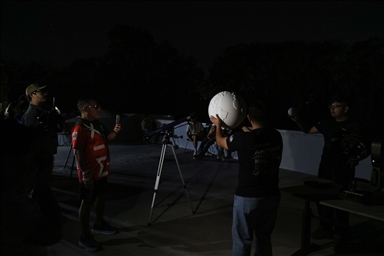
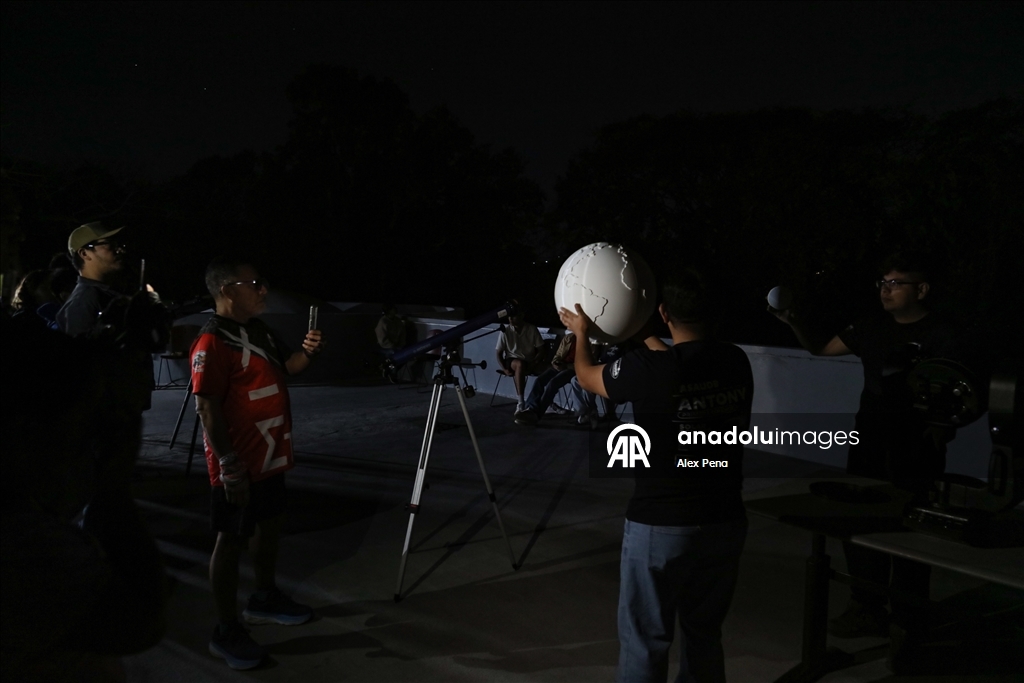
SAN SALVADOR, EL SALVADOR - MARCH 03: Young people explaining the eclipse phenomenon during the Total Lunar Eclipse seen at the Macro Micro Observatory (OMM), in San Salvador, El Salvador on March 03, 2026. This eclipse occurs when the Earth, the Sun, and the Moon are aligned, and our planet blocks direct sunlight, casting a shadow on the lunar disk, giving it a reddish hue, hence the name "blood moon". ( Alex Pena - Anadolu Agency )

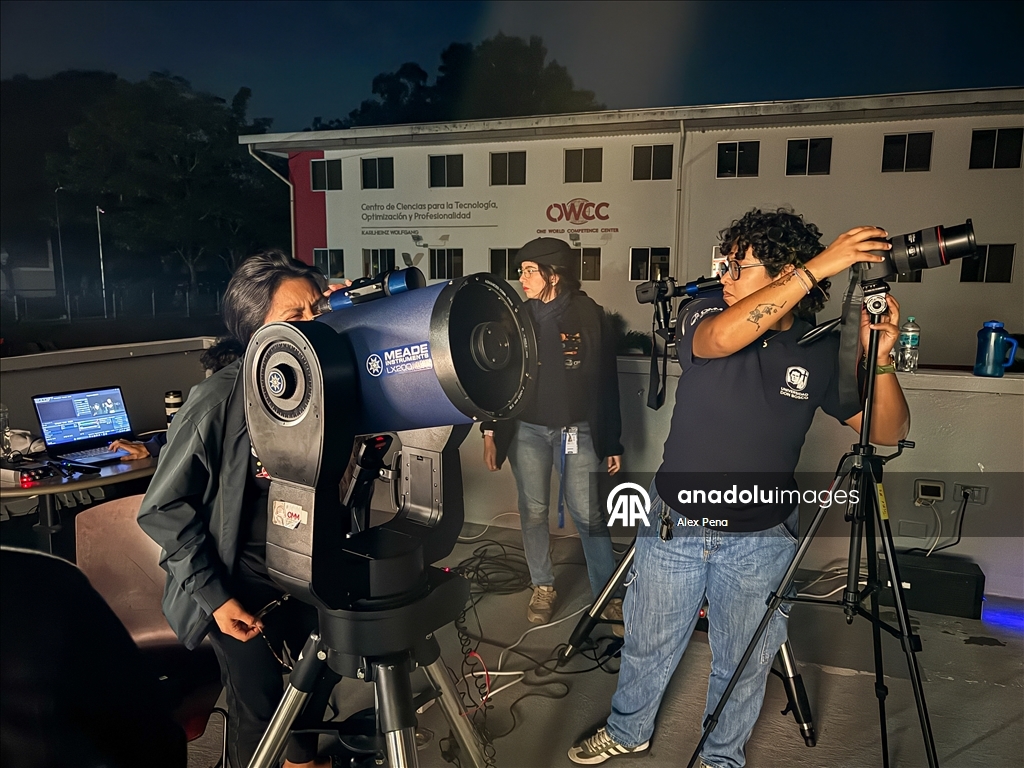
SAN SALVADOR, EL SALVADOR - MARCH 03: People observing the moon through a telescope during the Total Lunar Eclipse seen at the Macro Micro Observatory (OMM), in San Salvador, El Salvador on March 03, 2026. This eclipse occurs when the Earth, the Sun, and the Moon are aligned, and our planet blocks direct sunlight, casting a shadow on the lunar disk, giving it a reddish hue, hence the name "blood moon". ( Alex Pena - Anadolu Agency )
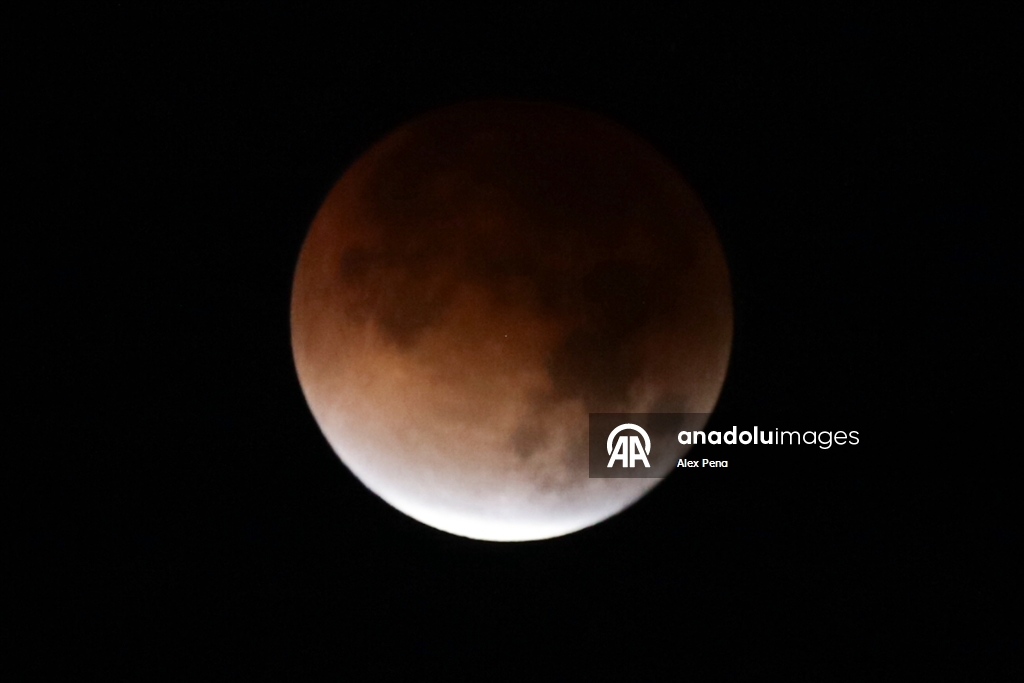
SAN SALVADOR, EL SALVADOR - MARCH 03: The Moon seen during the Total Lunar Eclipse seen at the Macro Micro Observatory (OMM), in San Salvador, El Salvador on March 03, 2026. This eclipse occurs when the Earth, the Sun, and the Moon are aligned, and our planet blocks direct sunlight, casting a shadow on the lunar disk, giving it a reddish hue, hence the name "blood moon". ( Alex Pena - Anadolu Agency )
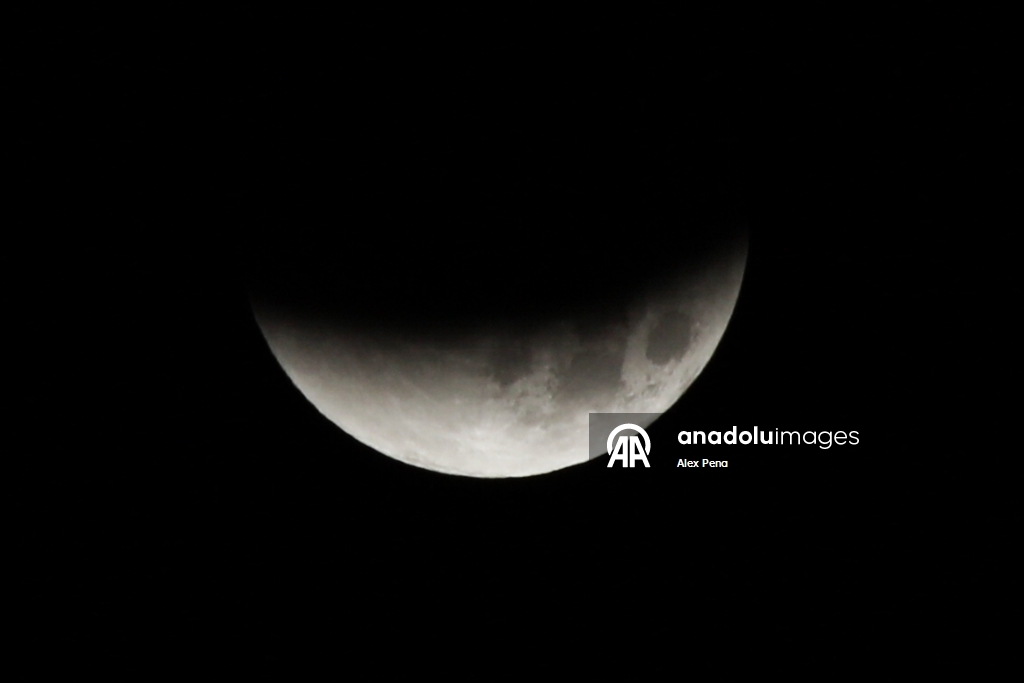
SAN SALVADOR, EL SALVADOR - MARCH 03: The Moon seen during the Total Lunar Eclipse seen at the Macro Micro Observatory (OMM), in San Salvador, El Salvador on March 03, 2026. This eclipse occurs when the Earth, the Sun, and the Moon are aligned, and our planet blocks direct sunlight, casting a shadow on the lunar disk, giving it a reddish hue, hence the name "blood moon". ( Alex Pena - Anadolu Agency )
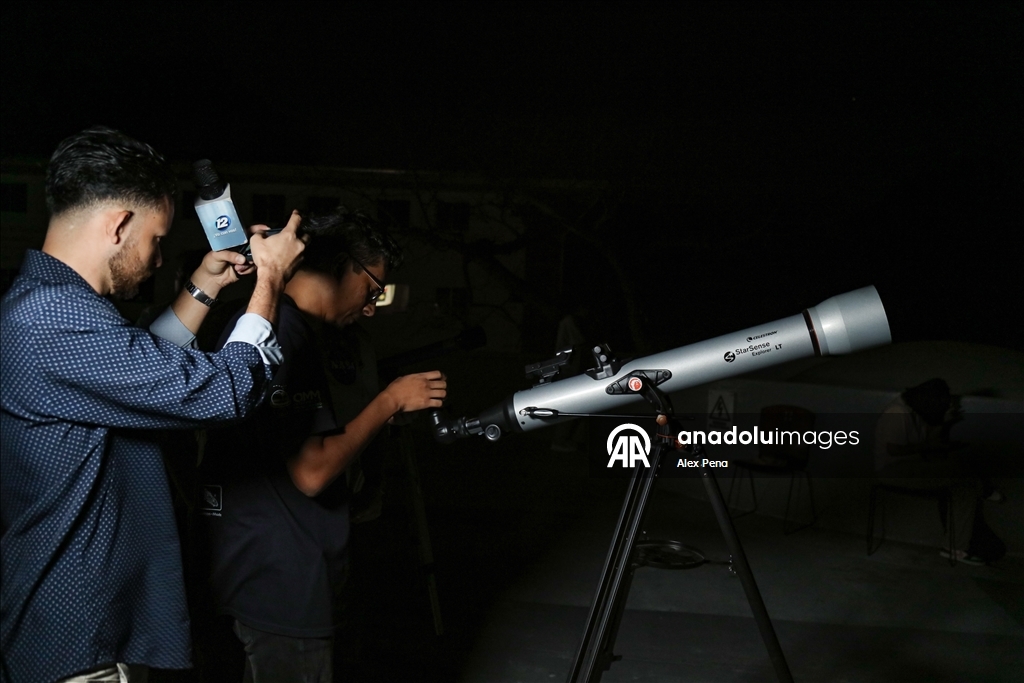
SAN SALVADOR, EL SALVADOR - MARCH 03: People observing the moon through a telescope during the Total Lunar Eclipse seen at the Macro Micro Observatory (OMM), in San Salvador, El Salvador on March 03, 2026. This eclipse occurs when the Earth, the Sun, and the Moon are aligned, and our planet blocks direct sunlight, casting a shadow on the lunar disk, giving it a reddish hue, hence the name "blood moon". ( Alex Pena - Anadolu Agency )
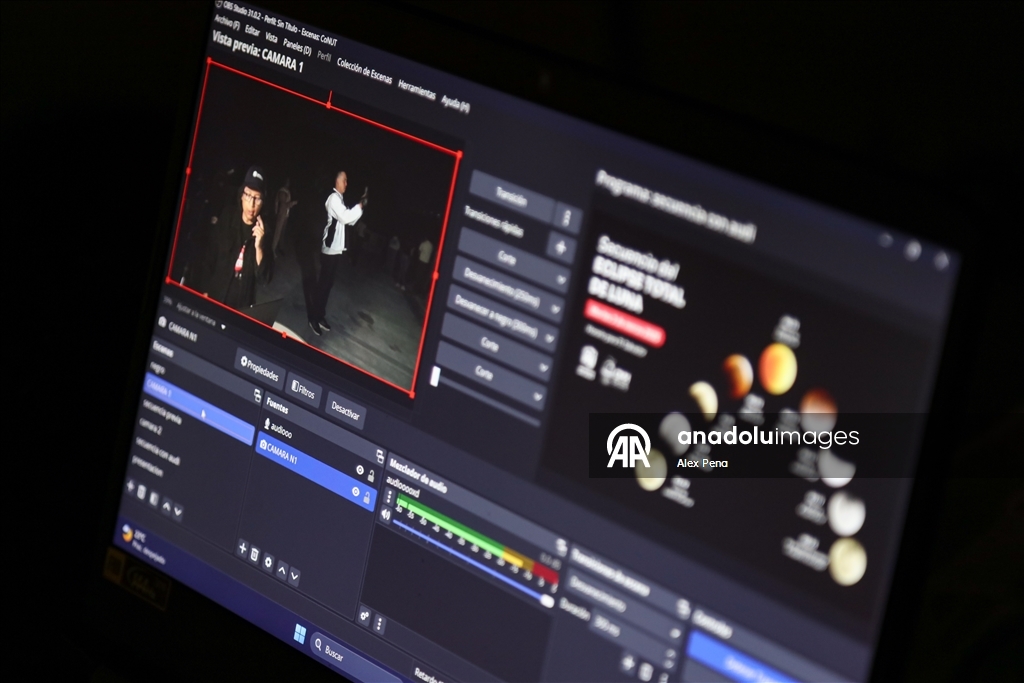
SAN SALVADOR, EL SALVADOR - MARCH 03: Details of the live moon broadcast during the Total Lunar Eclipse seen at the Macro Micro Observatory (OMM), in San Salvador, El Salvador on March 03, 2026. This eclipse occurs when the Earth, the Sun, and the Moon are aligned, and our planet blocks direct sunlight, casting a shadow on the lunar disk, giving it a reddish hue, hence the name "blood moon". ( Alex Pena - Anadolu Agency )
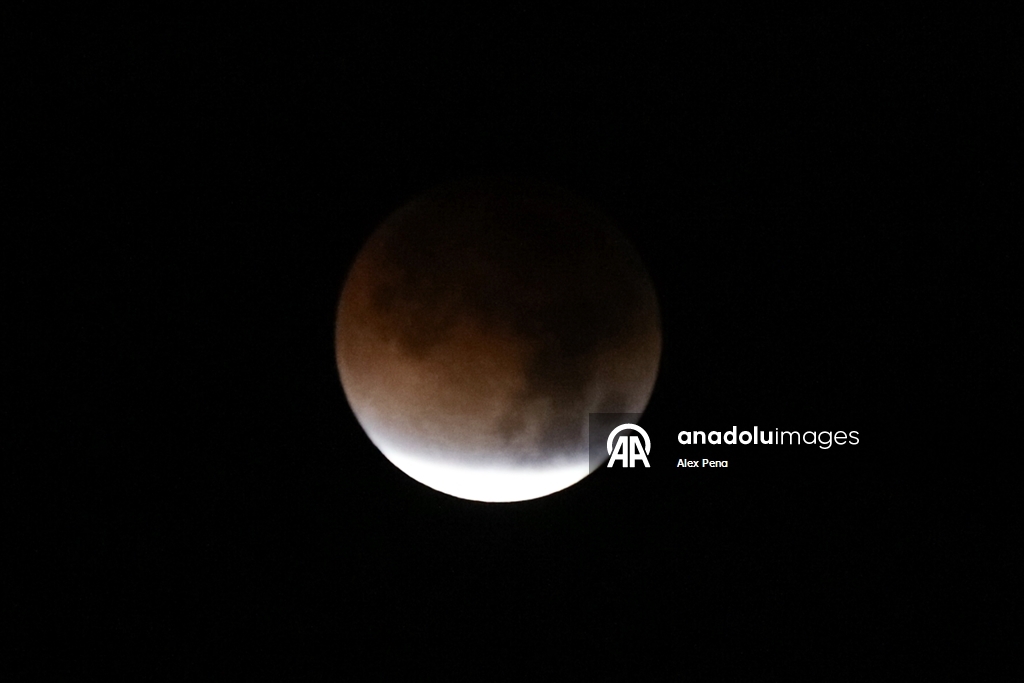
SAN SALVADOR, EL SALVADOR - MARCH 03: The Moon seen during the Total Lunar Eclipse seen at the Macro Micro Observatory (OMM), in San Salvador, El Salvador on March 03, 2026. This eclipse occurs when the Earth, the Sun, and the Moon are aligned, and our planet blocks direct sunlight, casting a shadow on the lunar disk, giving it a reddish hue, hence the name "blood moon". ( Alex Pena - Anadolu Agency )
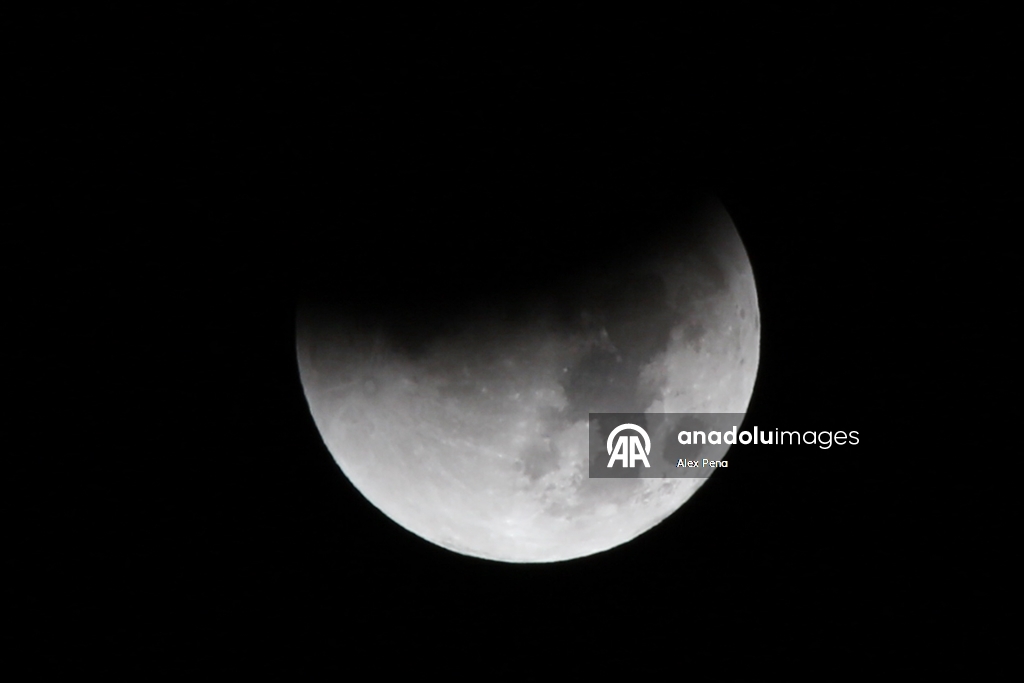
SAN SALVADOR, EL SALVADOR - MARCH 03: The Moon seen during the Total Lunar Eclipse seen at the Macro Micro Observatory (OMM), in San Salvador, El Salvador on March 03, 2026. This eclipse occurs when the Earth, the Sun, and the Moon are aligned, and our planet blocks direct sunlight, casting a shadow on the lunar disk, giving it a reddish hue, hence the name "blood moon". ( Alex Pena - Anadolu Agency )
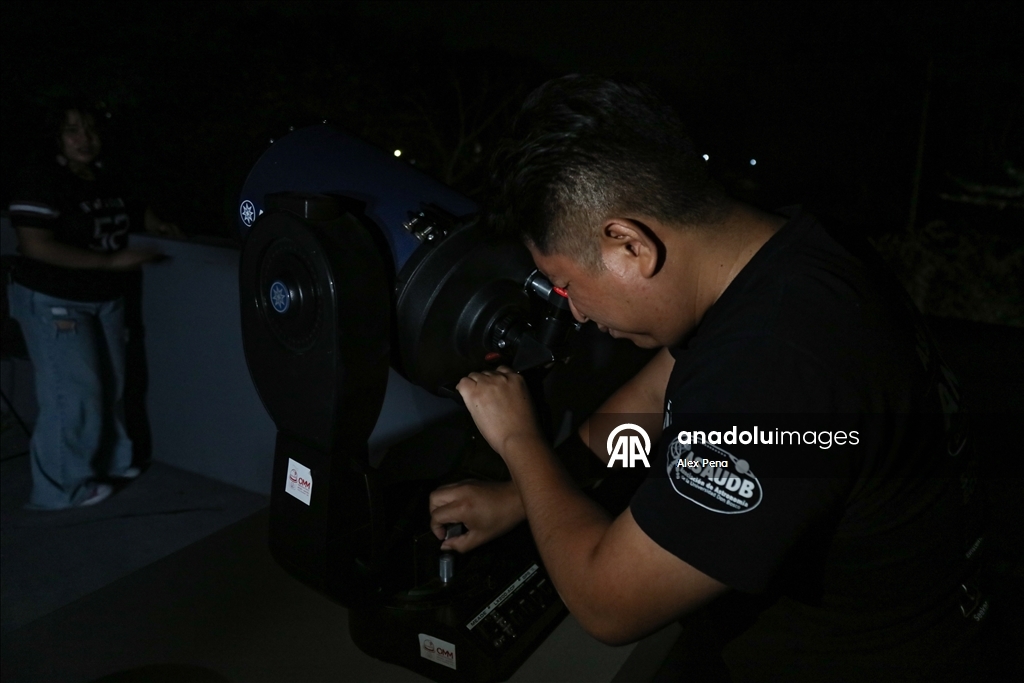
SAN SALVADOR, EL SALVADOR - MARCH 03: People observing the moon through a telescope during the Total Lunar Eclipse seen at the Macro Micro Observatory (OMM), in San Salvador, El Salvador on March 03, 2026. This eclipse occurs when the Earth, the Sun, and the Moon are aligned, and our planet blocks direct sunlight, casting a shadow on the lunar disk, giving it a reddish hue, hence the name "blood moon". ( Alex Pena - Anadolu Agency )
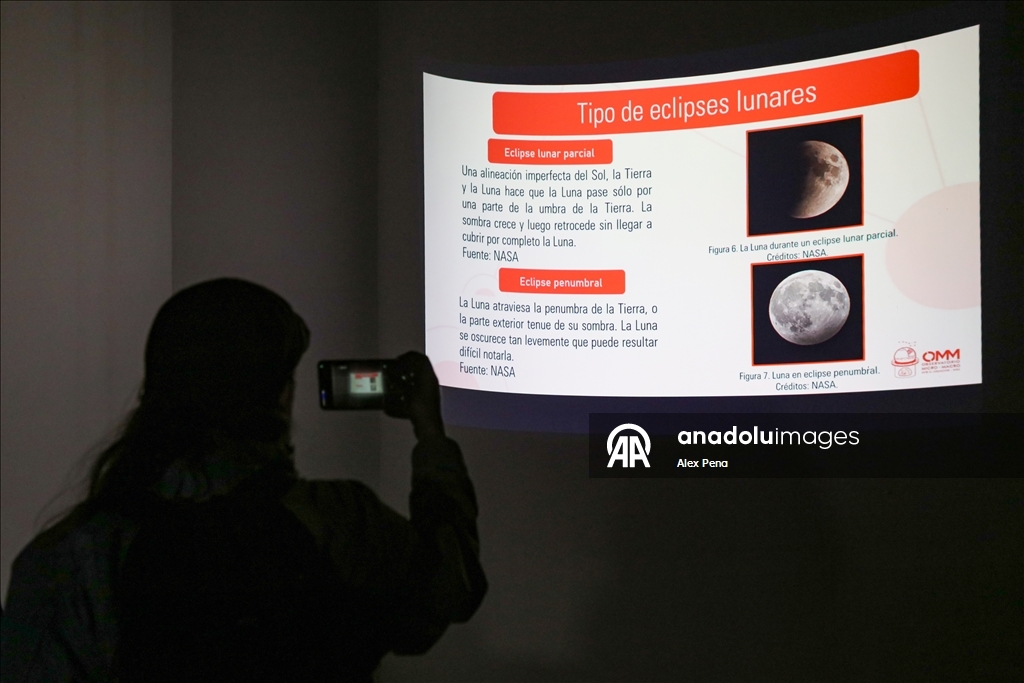
SAN SALVADOR, EL SALVADOR - MARCH 03: A person watching the live stream of the moon during the Total Lunar Eclipse seen at the Macro Micro Observatory (OMM), in San Salvador, El Salvador on March 03, 2026. This eclipse occurs when the Earth, the Sun, and the Moon are aligned, and our planet blocks direct sunlight, casting a shadow on the lunar disk, giving it a reddish hue, hence the name "blood moon". ( Alex Pena - Anadolu Agency )
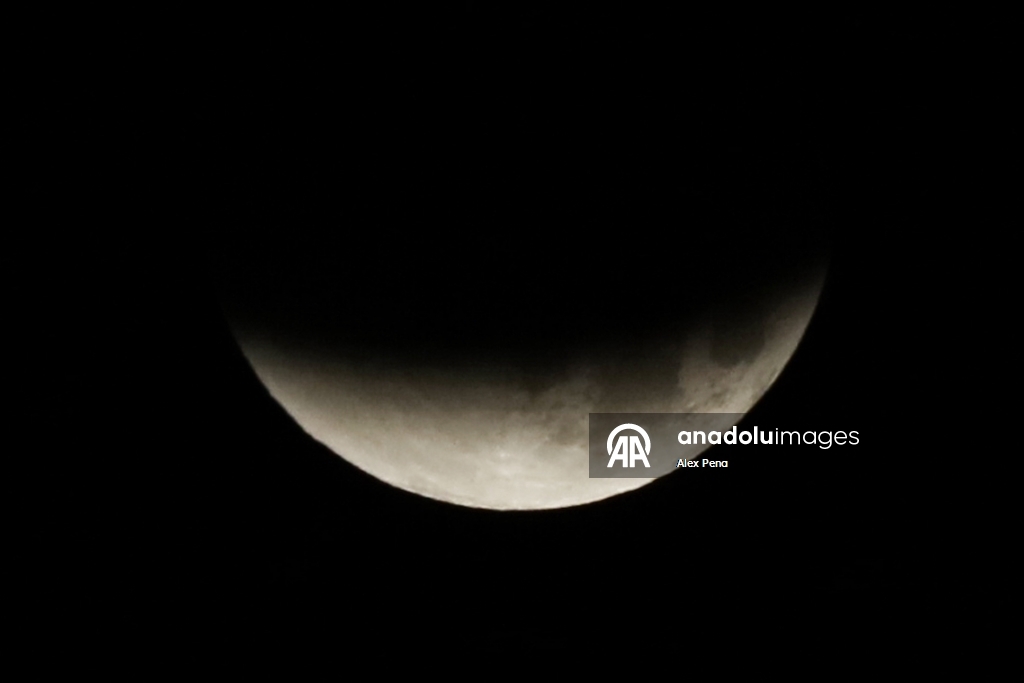
SAN SALVADOR, EL SALVADOR - MARCH 03: The Moon seen during the Total Lunar Eclipse seen at the Macro Micro Observatory (OMM), in San Salvador, El Salvador on March 03, 2026. This eclipse occurs when the Earth, the Sun, and the Moon are aligned, and our planet blocks direct sunlight, casting a shadow on the lunar disk, giving it a reddish hue, hence the name "blood moon". ( Alex Pena - Anadolu Agency )
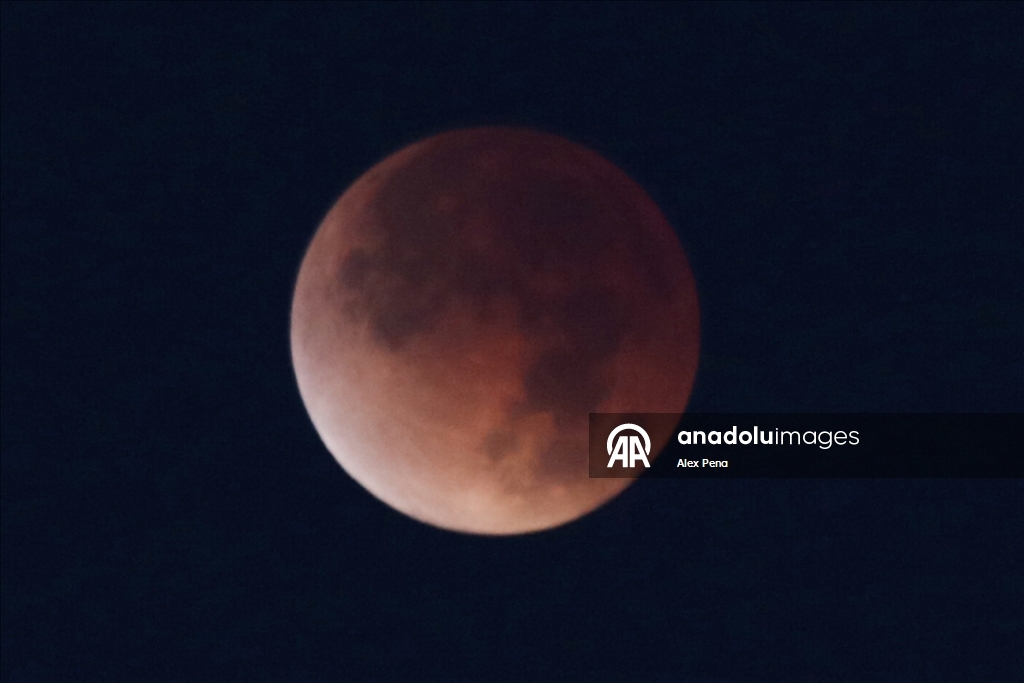
SAN SALVADOR, EL SALVADOR - MARCH 03: The Moon seen during the Total Lunar Eclipse seen at the Macro Micro Observatory (OMM), in San Salvador, El Salvador on March 03, 2026. This eclipse occurs when the Earth, the Sun, and the Moon are aligned, and our planet blocks direct sunlight, casting a shadow on the lunar disk, giving it a reddish hue, hence the name "blood moon". ( Alex Pena - Anadolu Agency )
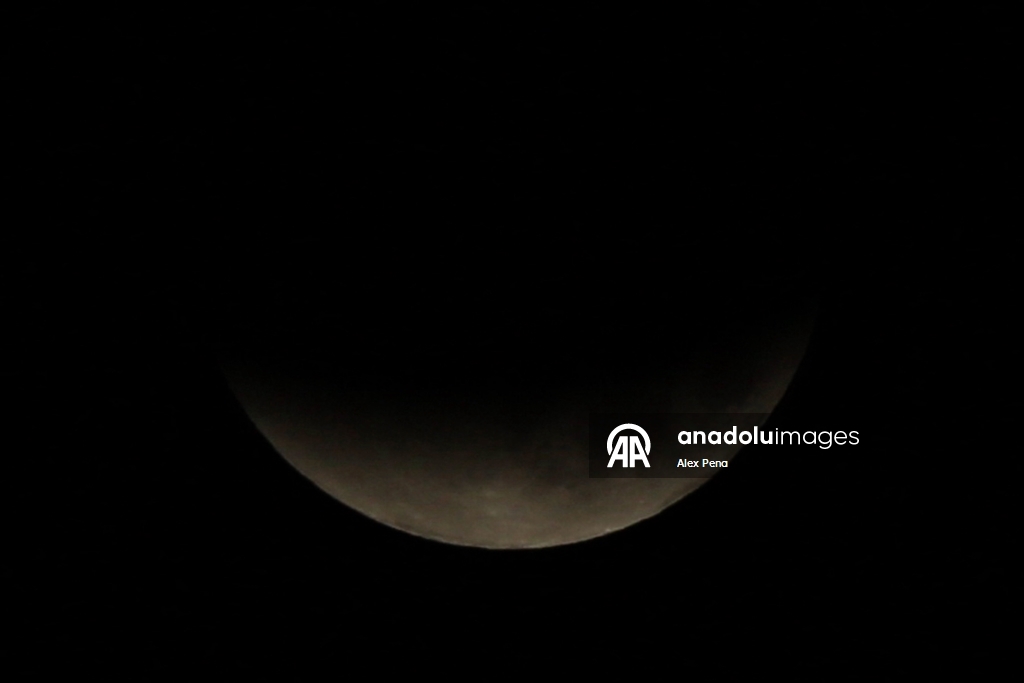
SAN SALVADOR, EL SALVADOR - MARCH 03: The Moon seen during the Total Lunar Eclipse seen at the Macro Micro Observatory (OMM), in San Salvador, El Salvador on March 03, 2026. This eclipse occurs when the Earth, the Sun, and the Moon are aligned, and our planet blocks direct sunlight, casting a shadow on the lunar disk, giving it a reddish hue, hence the name "blood moon". ( Alex Pena - Anadolu Agency )
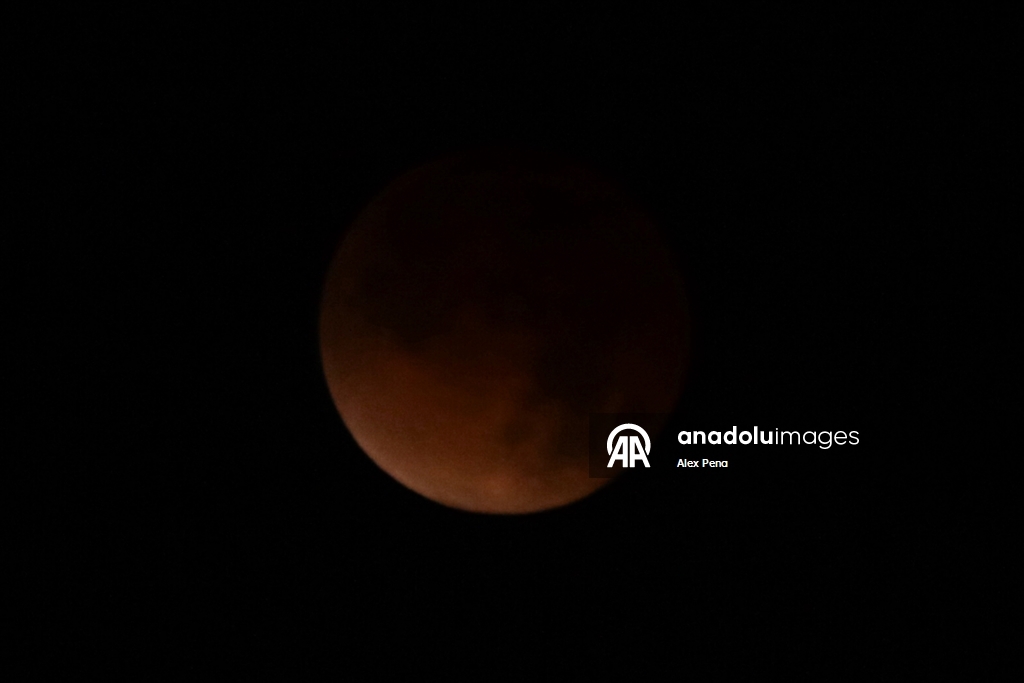
SAN SALVADOR, EL SALVADOR - MARCH 03: The Moon seen during the Total Lunar Eclipse seen at the Macro Micro Observatory (OMM), in San Salvador, El Salvador on March 03, 2026. This eclipse occurs when the Earth, the Sun, and the Moon are aligned, and our planet blocks direct sunlight, casting a shadow on the lunar disk, giving it a reddish hue, hence the name "blood moon". ( Alex Pena - Anadolu Agency )
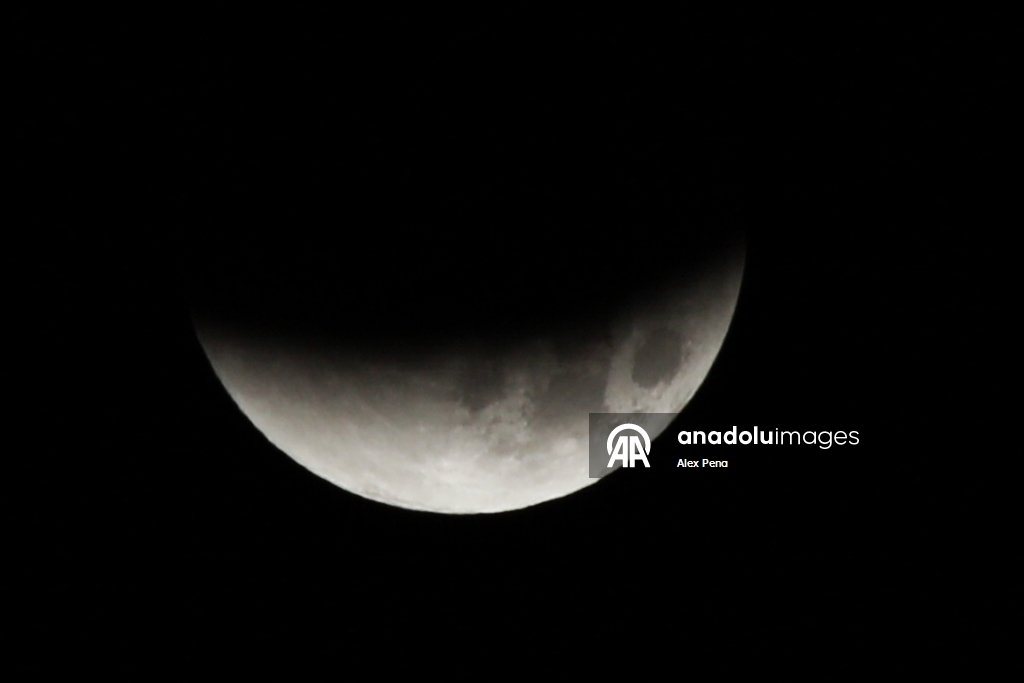
SAN SALVADOR, EL SALVADOR - MARCH 03: The Moon seen during the Total Lunar Eclipse seen at the Macro Micro Observatory (OMM), in San Salvador, El Salvador on March 03, 2026. This eclipse occurs when the Earth, the Sun, and the Moon are aligned, and our planet blocks direct sunlight, casting a shadow on the lunar disk, giving it a reddish hue, hence the name "blood moon". ( Alex Pena - Anadolu Agency )
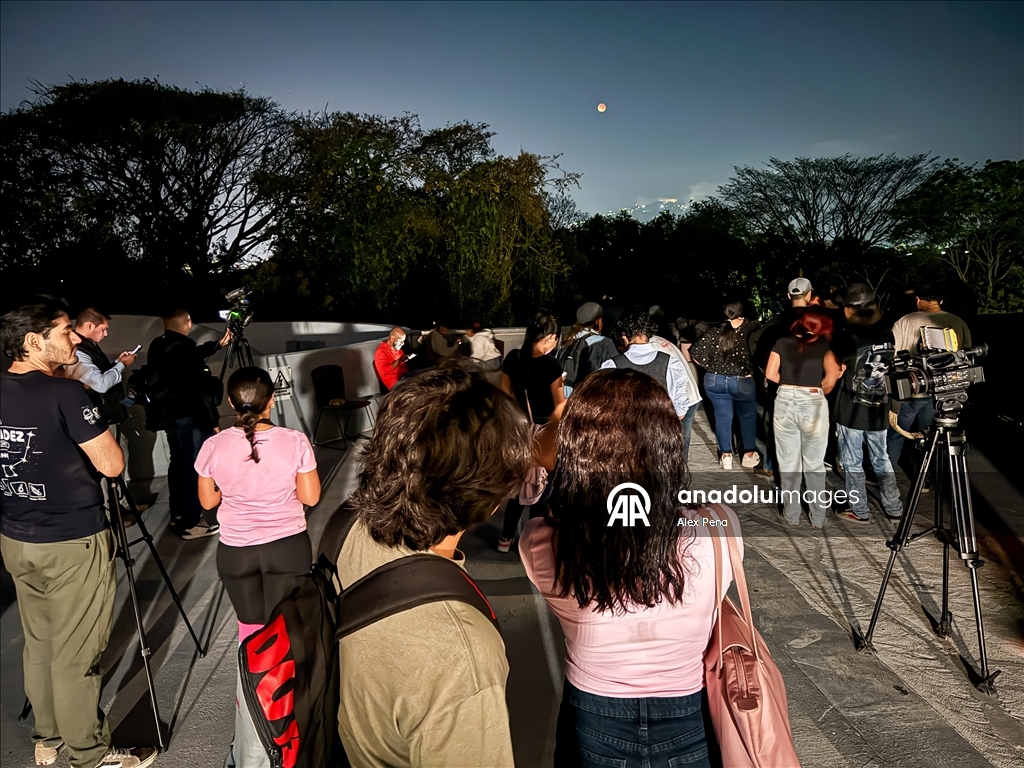
SAN SALVADOR, EL SALVADOR - MARCH 03: People observing the moon through a telescope during the Total Lunar Eclipse seen at the Macro Micro Observatory (OMM), in San Salvador, El Salvador on March 03, 2026. This eclipse occurs when the Earth, the Sun, and the Moon are aligned, and our planet blocks direct sunlight, casting a shadow on the lunar disk, giving it a reddish hue, hence the name "blood moon". ( Alex Pena - Anadolu Agency )
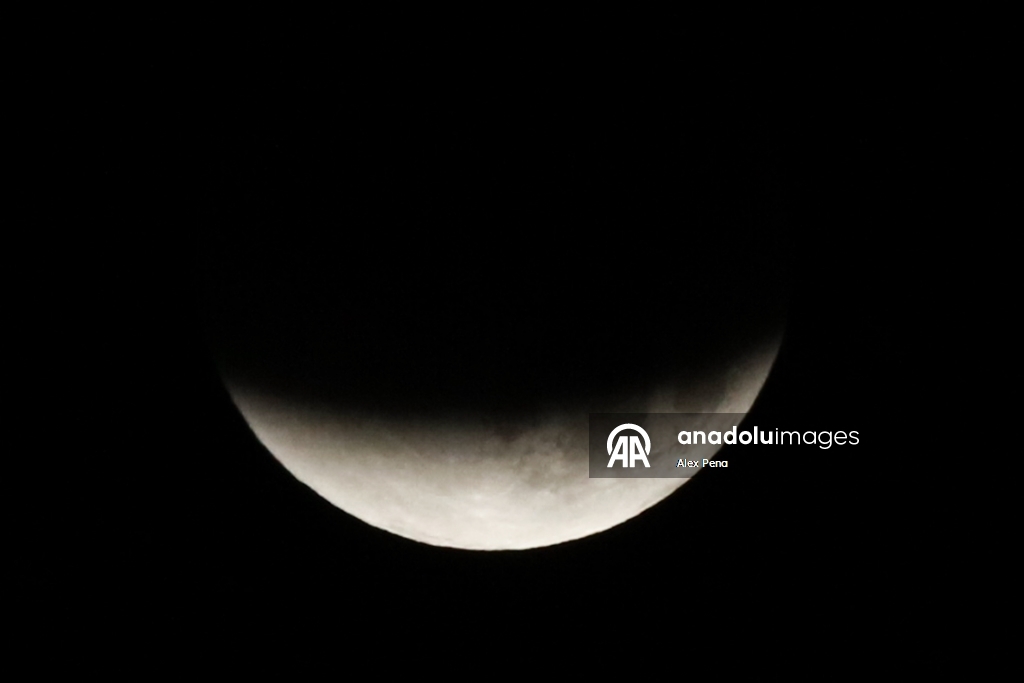
SAN SALVADOR, EL SALVADOR - MARCH 03: The Moon seen during the Total Lunar Eclipse seen at the Macro Micro Observatory (OMM), in San Salvador, El Salvador on March 03, 2026. This eclipse occurs when the Earth, the Sun, and the Moon are aligned, and our planet blocks direct sunlight, casting a shadow on the lunar disk, giving it a reddish hue, hence the name "blood moon". ( Alex Pena - Anadolu Agency )
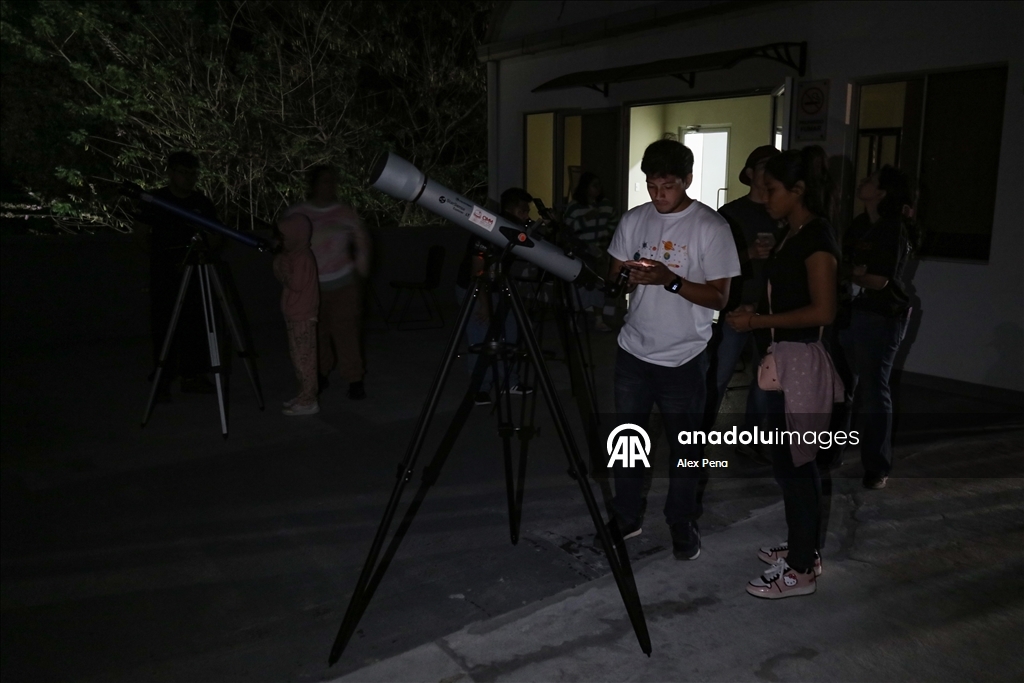
SAN SALVADOR, EL SALVADOR - MARCH 03: People observing the moon through a telescope during the Total Lunar Eclipse seen at the Macro Micro Observatory (OMM), in San Salvador, El Salvador on March 03, 2026. This eclipse occurs when the Earth, the Sun, and the Moon are aligned, and our planet blocks direct sunlight, casting a shadow on the lunar disk, giving it a reddish hue, hence the name "blood moon". ( Alex Pena - Anadolu Agency )
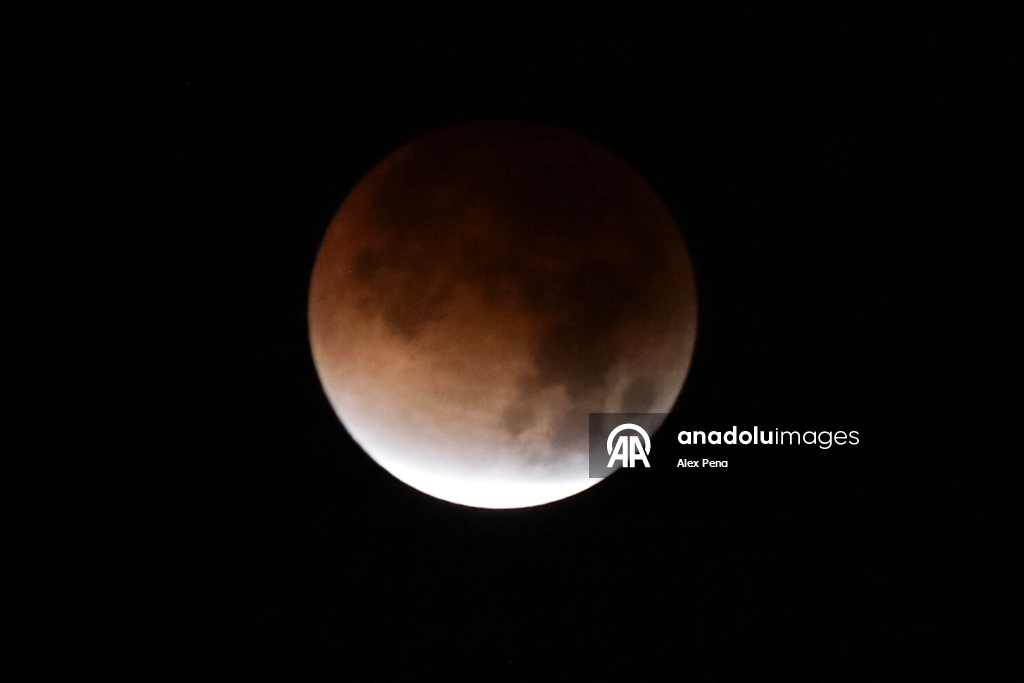
SAN SALVADOR, EL SALVADOR - MARCH 03: The Moon seen during the Total Lunar Eclipse seen at the Macro Micro Observatory (OMM), in San Salvador, El Salvador on March 03, 2026. This eclipse occurs when the Earth, the Sun, and the Moon are aligned, and our planet blocks direct sunlight, casting a shadow on the lunar disk, giving it a reddish hue, hence the name "blood moon". ( Alex Pena - Anadolu Agency )
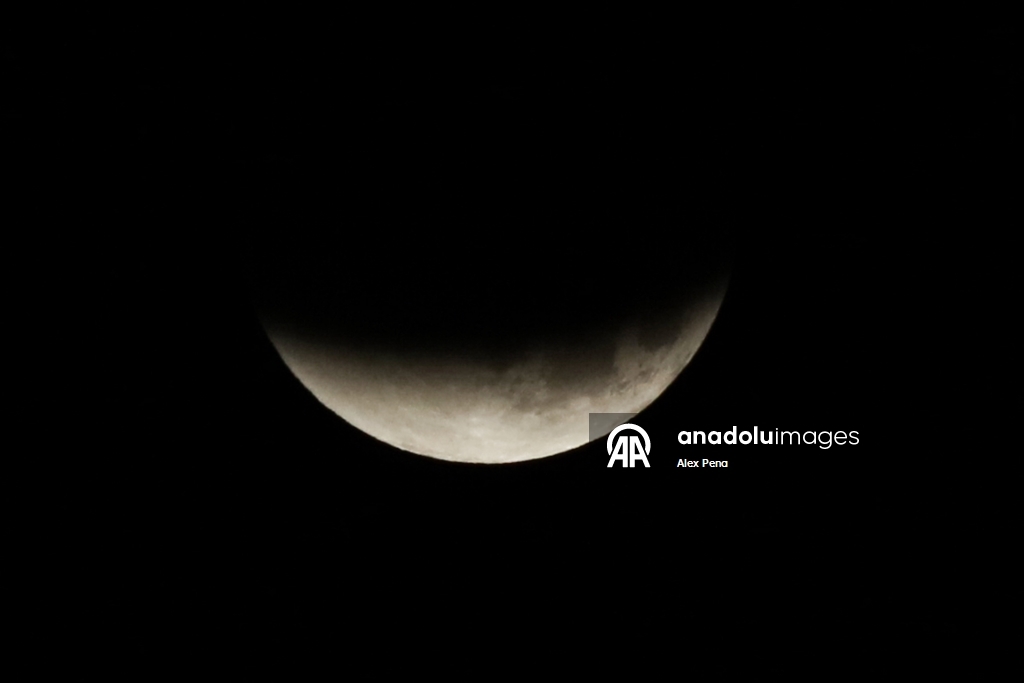
SAN SALVADOR, EL SALVADOR - MARCH 03: The Moon seen during the Total Lunar Eclipse seen at the Macro Micro Observatory (OMM), in San Salvador, El Salvador on March 03, 2026. This eclipse occurs when the Earth, the Sun, and the Moon are aligned, and our planet blocks direct sunlight, casting a shadow on the lunar disk, giving it a reddish hue, hence the name "blood moon". ( Alex Pena - Anadolu Agency )
Trending



Follow us on Instagram for the most striking images from the very center of life in the air and the land, in Turkey and the rest of the World.