
HURGHADA, EGYPT - DECEMBER 2: The reefs of the Red Sea are seen including reef-dependent species which includes clownfish, butterflyfish, parrotfish, moray eels, sea turtles, and many invertebrates in Hurghada, Egypt on December 2, 2025. These coral colonies shelter hundreds of invertebrates, sponges, and numerous fish species Symbiotic microalgae called zooxanthellae support coral survival and form the basis of the reef food chain. The Red Sea, considered one of the world’s most unique marine ecosystems, lies at the intersection of subtropical and tropical climate zones, giving it high biodiversity. Bordered by Egypt, Sudan, and Eritrea in Africa, and Saudi Arabia, Jordan, and Yemen on the Arabian Peninsula, the region hosts both hard and soft corals, including Acropora, Porites, and Pocillopora, which form the foundation of its ecosystem. ( Mahmut Serdar Alakuş - Anadolu Agency )

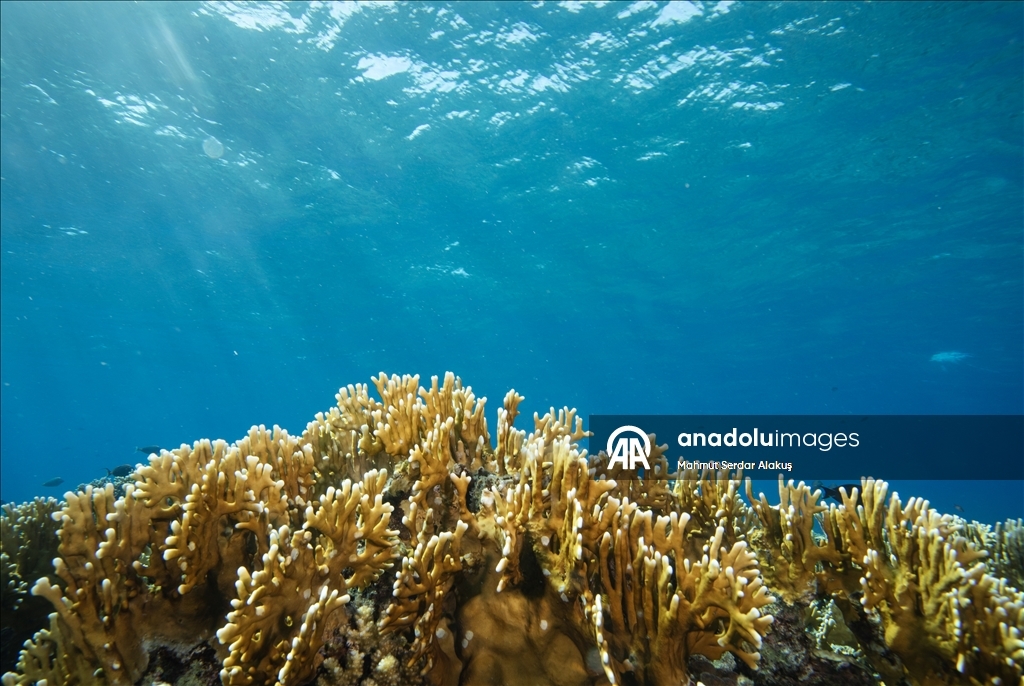
HURGHADA, EGYPT - DECEMBER 2: The reefs of the Red Sea are seen including reef-dependent species which includes clownfish, butterflyfish, parrotfish, moray eels, sea turtles, and many invertebrates in Hurghada, Egypt on December 2, 2025. These coral colonies shelter hundreds of invertebrates, sponges, and numerous fish species Symbiotic microalgae called zooxanthellae support coral survival and form the basis of the reef food chain. The Red Sea, considered one of the world’s most unique marine ecosystems, lies at the intersection of subtropical and tropical climate zones, giving it high biodiversity. Bordered by Egypt, Sudan, and Eritrea in Africa, and Saudi Arabia, Jordan, and Yemen on the Arabian Peninsula, the region hosts both hard and soft corals, including Acropora, Porites, and Pocillopora, which form the foundation of its ecosystem. ( Mahmut Serdar Alakuş - Anadolu Agency )
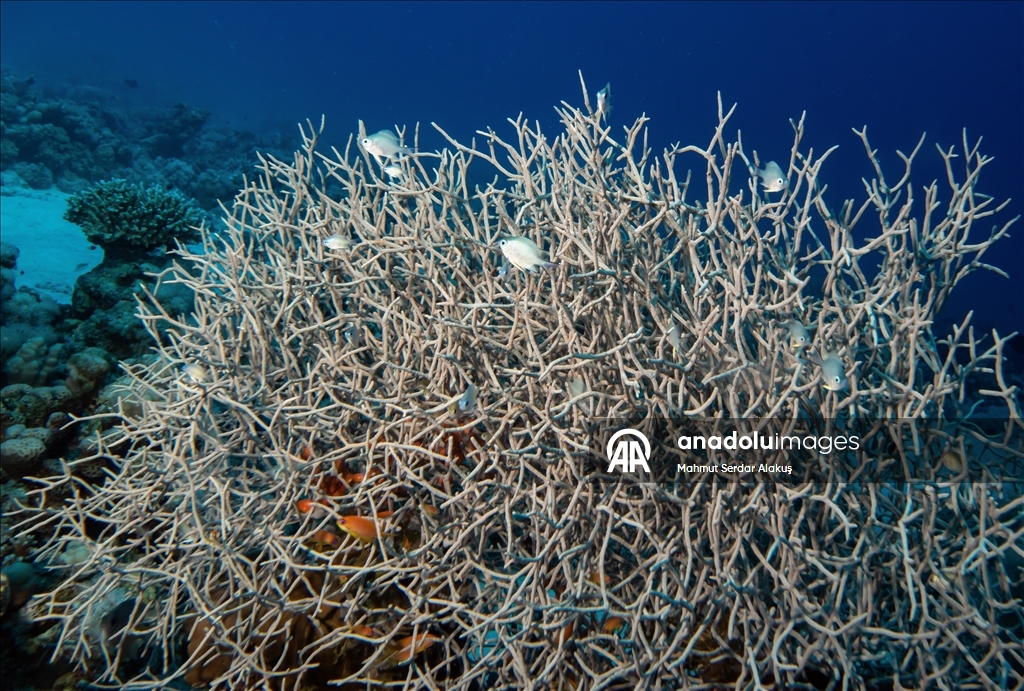
HURGHADA, EGYPT - DECEMBER 2: The reefs of the Red Sea are seen including reef-dependent species which includes clownfish, butterflyfish, parrotfish, moray eels, sea turtles, and many invertebrates in Hurghada, Egypt on December 2, 2025. These coral colonies shelter hundreds of invertebrates, sponges, and numerous fish species Symbiotic microalgae called zooxanthellae support coral survival and form the basis of the reef food chain. The Red Sea, considered one of the world’s most unique marine ecosystems, lies at the intersection of subtropical and tropical climate zones, giving it high biodiversity. Bordered by Egypt, Sudan, and Eritrea in Africa, and Saudi Arabia, Jordan, and Yemen on the Arabian Peninsula, the region hosts both hard and soft corals, including Acropora, Porites, and Pocillopora, which form the foundation of its ecosystem. ( Mahmut Serdar Alakuş - Anadolu Agency )
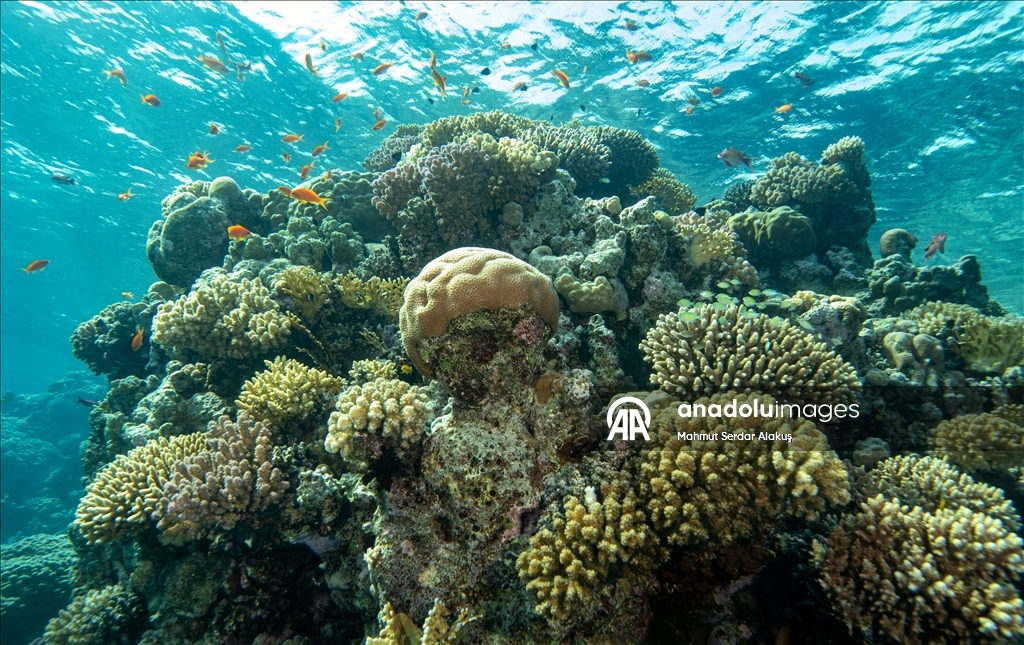
HURGHADA, EGYPT - DECEMBER 2: The reefs of the Red Sea are seen including reef-dependent species which includes clownfish, butterflyfish, parrotfish, moray eels, sea turtles, and many invertebrates in Hurghada, Egypt on December 2, 2025. These coral colonies shelter hundreds of invertebrates, sponges, and numerous fish species Symbiotic microalgae called zooxanthellae support coral survival and form the basis of the reef food chain. The Red Sea, considered one of the world’s most unique marine ecosystems, lies at the intersection of subtropical and tropical climate zones, giving it high biodiversity. Bordered by Egypt, Sudan, and Eritrea in Africa, and Saudi Arabia, Jordan, and Yemen on the Arabian Peninsula, the region hosts both hard and soft corals, including Acropora, Porites, and Pocillopora, which form the foundation of its ecosystem. ( Mahmut Serdar Alakuş - Anadolu Agency )
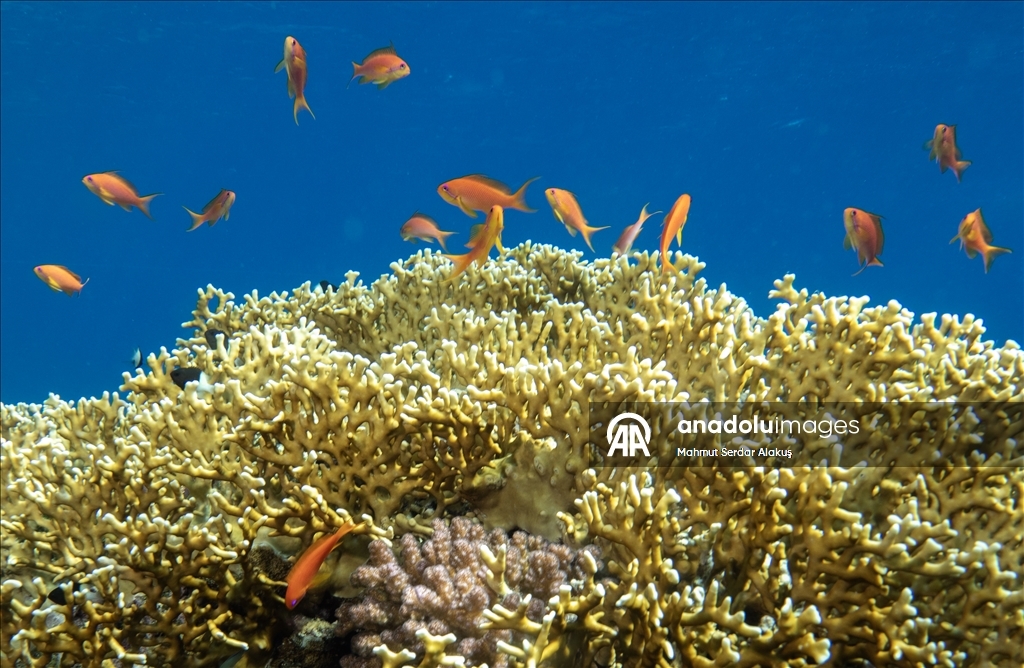
HURGHADA, EGYPT - DECEMBER 2: The reefs of the Red Sea are seen including reef-dependent species which includes clownfish, butterflyfish, parrotfish, moray eels, sea turtles, and many invertebrates in Hurghada, Egypt on December 2, 2025. These coral colonies shelter hundreds of invertebrates, sponges, and numerous fish species Symbiotic microalgae called zooxanthellae support coral survival and form the basis of the reef food chain. The Red Sea, considered one of the world’s most unique marine ecosystems, lies at the intersection of subtropical and tropical climate zones, giving it high biodiversity. Bordered by Egypt, Sudan, and Eritrea in Africa, and Saudi Arabia, Jordan, and Yemen on the Arabian Peninsula, the region hosts both hard and soft corals, including Acropora, Porites, and Pocillopora, which form the foundation of its ecosystem. ( Mahmut Serdar Alakuş - Anadolu Agency )
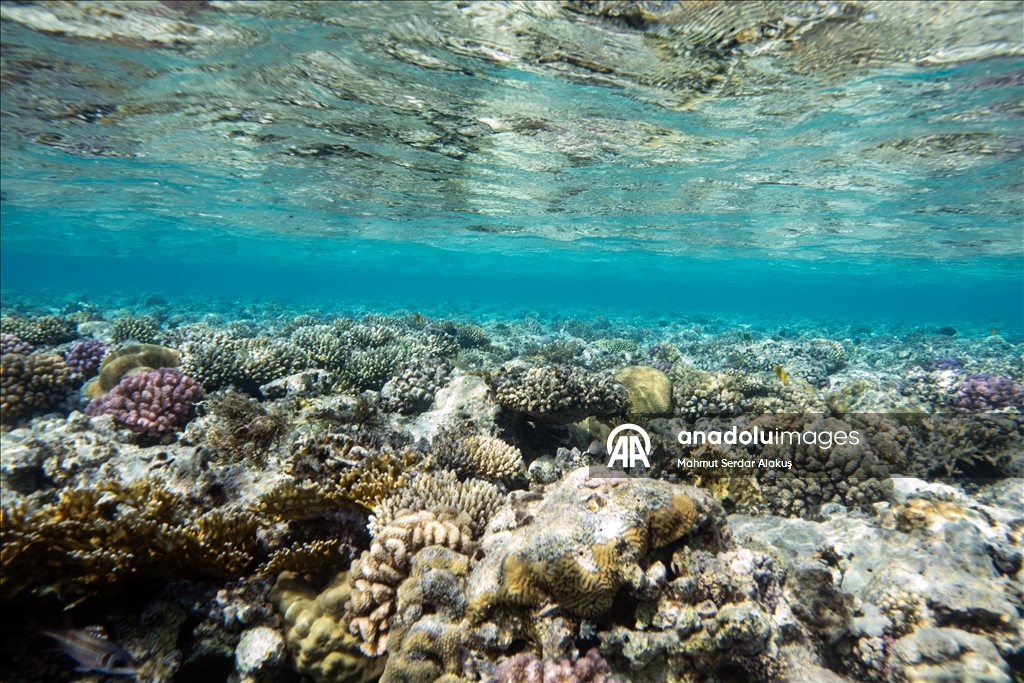
HURGHADA, EGYPT - DECEMBER 2: The reefs of the Red Sea are seen including reef-dependent species which includes clownfish, butterflyfish, parrotfish, moray eels, sea turtles, and many invertebrates in Hurghada, Egypt on December 2, 2025. These coral colonies shelter hundreds of invertebrates, sponges, and numerous fish species Symbiotic microalgae called zooxanthellae support coral survival and form the basis of the reef food chain. The Red Sea, considered one of the world’s most unique marine ecosystems, lies at the intersection of subtropical and tropical climate zones, giving it high biodiversity. Bordered by Egypt, Sudan, and Eritrea in Africa, and Saudi Arabia, Jordan, and Yemen on the Arabian Peninsula, the region hosts both hard and soft corals, including Acropora, Porites, and Pocillopora, which form the foundation of its ecosystem. ( Mahmut Serdar Alakuş - Anadolu Agency )

HURGHADA, EGYPT - DECEMBER 2: The reefs of the Red Sea are seen including reef-dependent species which includes clownfish, butterflyfish, parrotfish, moray eels, sea turtles, and many invertebrates in Hurghada, Egypt on December 2, 2025. These coral colonies shelter hundreds of invertebrates, sponges, and numerous fish species Symbiotic microalgae called zooxanthellae support coral survival and form the basis of the reef food chain. The Red Sea, considered one of the world’s most unique marine ecosystems, lies at the intersection of subtropical and tropical climate zones, giving it high biodiversity. Bordered by Egypt, Sudan, and Eritrea in Africa, and Saudi Arabia, Jordan, and Yemen on the Arabian Peninsula, the region hosts both hard and soft corals, including Acropora, Porites, and Pocillopora, which form the foundation of its ecosystem. ( Mahmut Serdar Alakuş - Anadolu Agency )

HURGHADA, EGYPT - DECEMBER 2: The reefs of the Red Sea are seen including reef-dependent species which includes clownfish, butterflyfish, parrotfish, moray eels, sea turtles, and many invertebrates in Hurghada, Egypt on December 2, 2025. These coral colonies shelter hundreds of invertebrates, sponges, and numerous fish species Symbiotic microalgae called zooxanthellae support coral survival and form the basis of the reef food chain. The Red Sea, considered one of the world’s most unique marine ecosystems, lies at the intersection of subtropical and tropical climate zones, giving it high biodiversity. Bordered by Egypt, Sudan, and Eritrea in Africa, and Saudi Arabia, Jordan, and Yemen on the Arabian Peninsula, the region hosts both hard and soft corals, including Acropora, Porites, and Pocillopora, which form the foundation of its ecosystem. ( Mahmut Serdar Alakuş - Anadolu Agency )
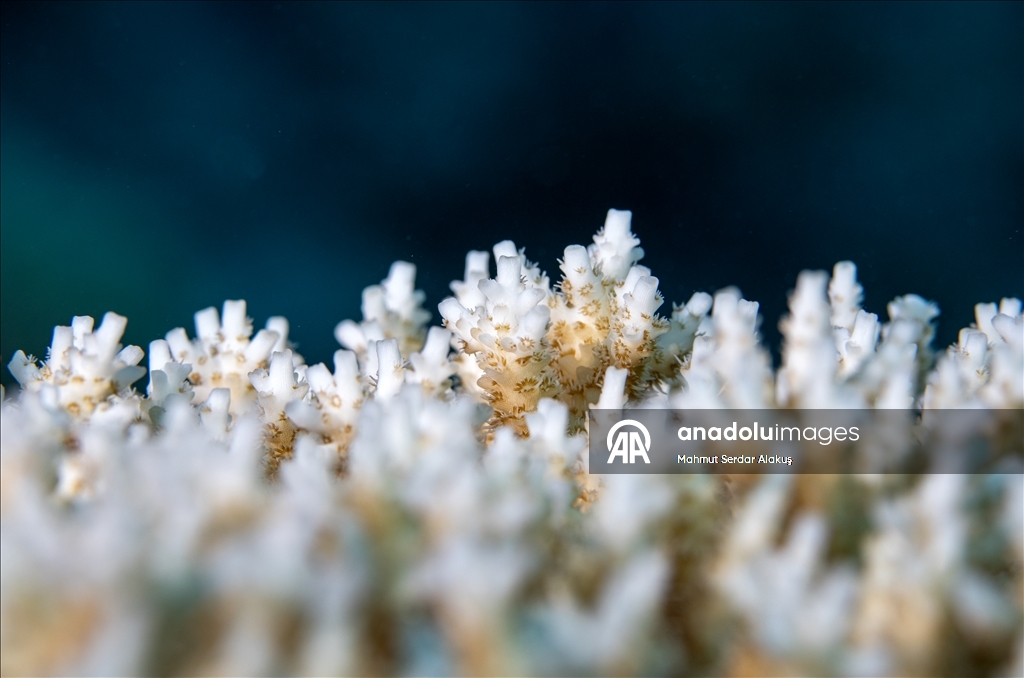
HURGHADA, EGYPT - DECEMBER 2: The reefs of the Red Sea are seen including reef-dependent species which includes clownfish, butterflyfish, parrotfish, moray eels, sea turtles, and many invertebrates in Hurghada, Egypt on December 2, 2025. These coral colonies shelter hundreds of invertebrates, sponges, and numerous fish species Symbiotic microalgae called zooxanthellae support coral survival and form the basis of the reef food chain. The Red Sea, considered one of the world’s most unique marine ecosystems, lies at the intersection of subtropical and tropical climate zones, giving it high biodiversity. Bordered by Egypt, Sudan, and Eritrea in Africa, and Saudi Arabia, Jordan, and Yemen on the Arabian Peninsula, the region hosts both hard and soft corals, including Acropora, Porites, and Pocillopora, which form the foundation of its ecosystem. ( Mahmut Serdar Alakuş - Anadolu Agency )
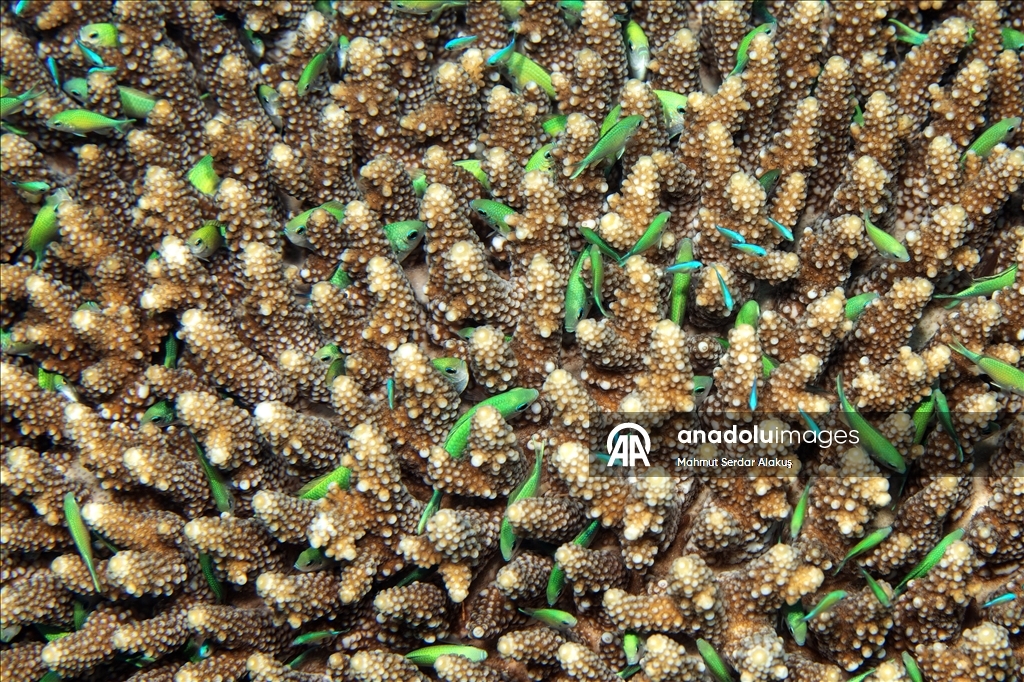
HURGHADA, EGYPT - DECEMBER 2: The reefs of the Red Sea are seen including reef-dependent species which includes clownfish, butterflyfish, parrotfish, moray eels, sea turtles, and many invertebrates in Hurghada, Egypt on December 2, 2025. These coral colonies shelter hundreds of invertebrates, sponges, and numerous fish species Symbiotic microalgae called zooxanthellae support coral survival and form the basis of the reef food chain. The Red Sea, considered one of the world’s most unique marine ecosystems, lies at the intersection of subtropical and tropical climate zones, giving it high biodiversity. Bordered by Egypt, Sudan, and Eritrea in Africa, and Saudi Arabia, Jordan, and Yemen on the Arabian Peninsula, the region hosts both hard and soft corals, including Acropora, Porites, and Pocillopora, which form the foundation of its ecosystem. ( Mahmut Serdar Alakuş - Anadolu Agency )
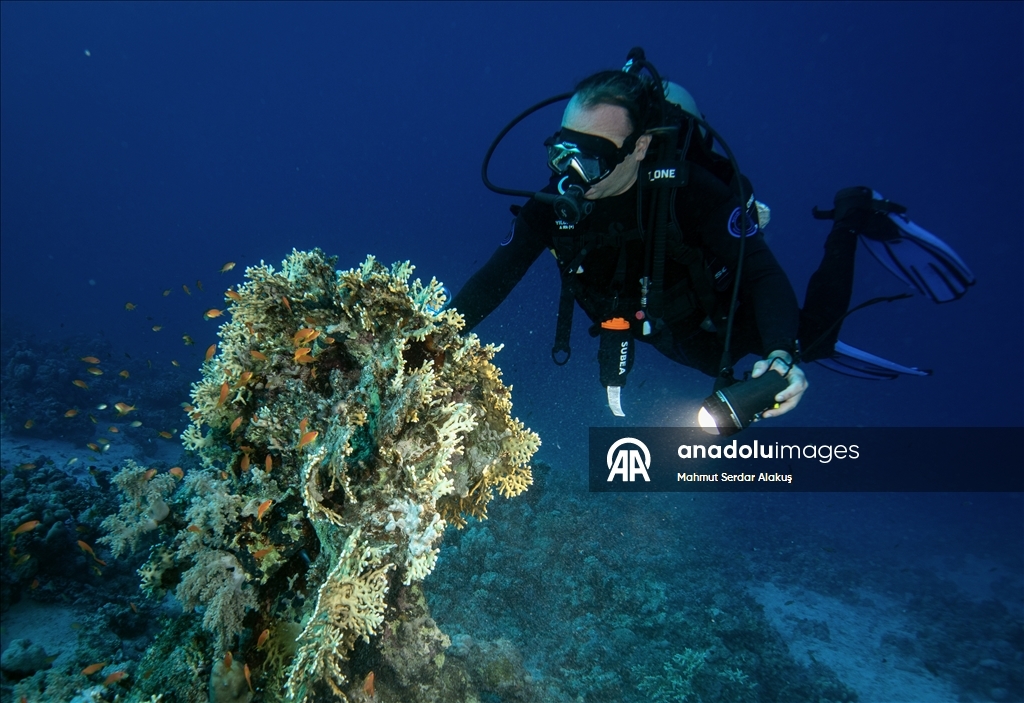
HURGHADA, EGYPT - DECEMBER 2: The reefs of the Red Sea are seen including reef-dependent species which includes clownfish, butterflyfish, parrotfish, moray eels, sea turtles, and many invertebrates in Hurghada, Egypt on December 2, 2025. These coral colonies shelter hundreds of invertebrates, sponges, and numerous fish species Symbiotic microalgae called zooxanthellae support coral survival and form the basis of the reef food chain. The Red Sea, considered one of the world’s most unique marine ecosystems, lies at the intersection of subtropical and tropical climate zones, giving it high biodiversity. Bordered by Egypt, Sudan, and Eritrea in Africa, and Saudi Arabia, Jordan, and Yemen on the Arabian Peninsula, the region hosts both hard and soft corals, including Acropora, Porites, and Pocillopora, which form the foundation of its ecosystem. ( Mahmut Serdar Alakuş - Anadolu Agency )
Trending

Follow us on Instagram for the most striking images from the very center of life in the air and the land, in Turkey and the rest of the World.