By Alex Jensen
SEOUL
Officials in Slovakia are waiting to confirm whether a South Korean subcontractor based in the country has MERS, after he apparently fell ill soon after arriving.
A Seoul foreign ministry official said Sunday that it will "work closely with Slovak health officials," according to local news agency Yonhap.
The 38-year-old man is not believed to have been checked for suspicious symptoms before leaving South Korea for Bratislava earlier this month - he then reportedly developed the classic flu-like signs.
Seoul had never witnessed the virus before last month when the first South Korean diagnosis was made in a hospital patient who had returned from the Middle East.
Since being discovered just three years ago, more than 1,000 MERS cases have emerged in Saudi Arabia, where the illness’ fatality rate of more than 40 percent has sparked fears of a deadly pandemic.
As of Sunday morning, there were at least 145 infections throughout South Korea - the official death toll rose to 15 later in the day, representing a local fatality rate of around 10 percent.
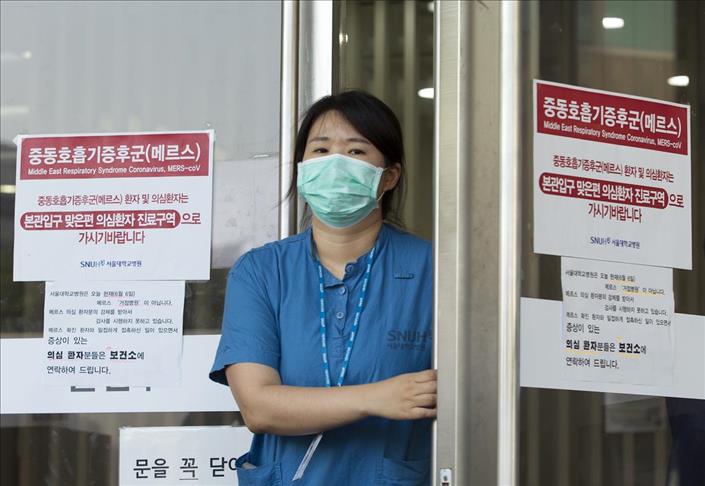
It remains to be seen how many more infections will be unveiled, with nearly 5,000 people under isolation orders after potentially contracting MERS.
The latest victim was a 61-year-old man who had been receiving treatment in the southern city of Busan, but he had earlier visited Samsung Medical Center in Seoul - like close to half of the country’s other cases.
The prestigious hospital revealed on Saturday that it would be partially closed until June 24.
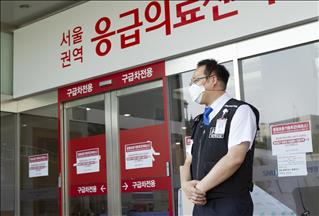
Seoul’s health ministry also threatened to punish any other facilities that refuse to treat patients who have already visited Samsung Medical Center.
On Saturday, experts from the World Health Association told reporters that there was no evidence to suggest the virus, currently confined around health facilities, is spreading -- so far, it has occurred among hospital patients, visiting family members and medical staff.
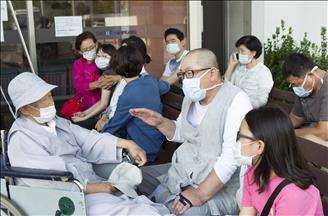
But the stigma of the virus has spread.
Aside from the economic impact of public spaces being unusually quiet in recent weeks, the Korean Red Cross warned Sunday that more than 25,000 people have cancelled planned blood donations during the outbreak.
It is feared that emergency measures may soon have to be taken to ensure a sufficient blood supply in South Korea.