ANKARA
Heart problems and smoking-related cancer are the two biggest killers in Turkey, according to new official data.
Heart disease and strokes resulted in 151,896 deaths in the country last year while 77,587 people died of cancer, according to data released by the Turkish Statistical Institute on Monday, which analysed the cause of deaths of 375,291 people who died in hospital throughout 2014.
Professor Murat Tuncer, Rector of Hacettepe University, said: "Cardiovascular disease is main cause of death in Turkey and cancer came second.
"Cancer is the main cause in many countries but its gap with other causes of death is closing, compared to previous years."
He added: "Turkey has a young population and cancer-caused death is lower in the country, except smoking-related cancers.
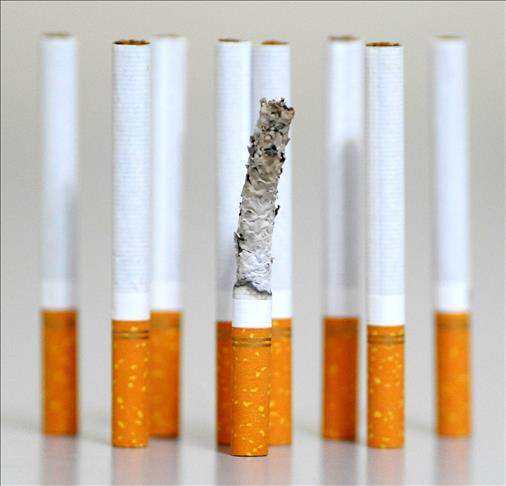
"Turkey needs to continue fighting against smoking."
Elderly affected
A total of 40 percent of deaths caused by circulatory system diseases were those in which the supply of blood to the heart was blocked, including angina, blocked arteries and heart attacks, according to the study.
The diseases mainly affected people between 75 and 84 years old while tumours affected the 65 to 74 age group.
“We will not have any problem with lung cancer when tobacco products do not exist in the market, because ninety percent of lung cancer is caused by tobacco,” said Professor Tezer Kutluk, also from Hacettepe University.
The latest data from the EU's statistical office highlights that circulatory diseases and cancer are also the main cause of death in EU countries, despite significant drops between 2000 and 2010.
According to the UN´s World Cancer Report of 2014 in February of last year, new cancer cases worldwide are expected to rise from 14 million to 22 million per year within the next two decades, with annual cancer deaths rising from 8.2 million to 13 million.
'Alarming pace'
The UN says it wants multipronged preventive action measures including treaties and laws extending tobacco-style restrictions to alcohol and sweetened beverages.
The United Nation´s study points out the cancer burden is mounting at an alarming pace.
Due to growing and ageing populations, developing countries are disproportionately affected, with more than 60 per cent of cases and 70 per cent of deaths occurring in Africa, Asia, and Central and South America.
The report warns that the global battle against cancer will not be won with treatment alone and urgently needs effective prevention measures to curb the disease.
As an example of preventive strategies, the report highlights the need for adequate legislation to reduce exposure and risk behaviors.
Limited exposure
It cites the first international treaty sponsored by WHO, the Framework Convention on Tobacco Control, as being critical in seeking to reduce tobacco consumption, a major contributor to lung and other cancers, through taxes, advertising restrictions and other regulations and measures to control and discourage the use of tobacco.
Similar approaches need to be evaluated in other areas, notably consumption of alcohol and sugar-sweetened beverages, and in limiting exposure to occupational and environmental carcinogenic risks, including air pollution, it states.
The study noted that about half of all cancers, whose total annual economic cost is estimated to have reached approximately $1.16 trillion, could be avoided if current knowledge was adequately implemented.
The most common cancers diagnosed globally in 2012 were those of the lung, of which there were 1.8 million cases or 13 per cent of the total; breast which accounted for 1.7 million, or 11.9 per cent of all cases; and large bowel - 1.4 million, or 9.7 per cent of the total.
The most common causes of cancer death were cancers of the lung - 1.6 million, or 19.4 per cent, liver with 0.8 million, or 9.1 per cent, and stomach with 0.7 million, or 8.8 per cent.