Middle East confronts intensifying water crisis as desalination becomes lifeline for region


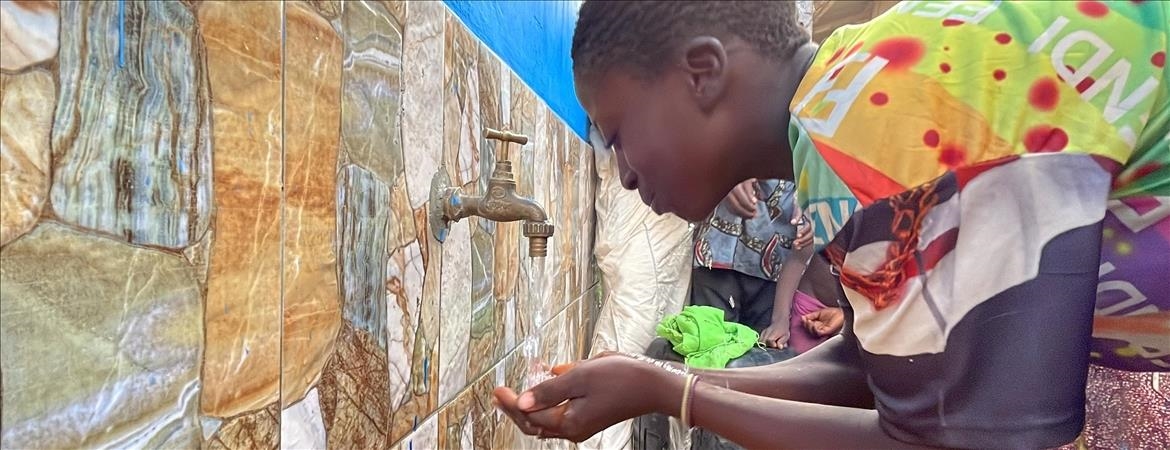
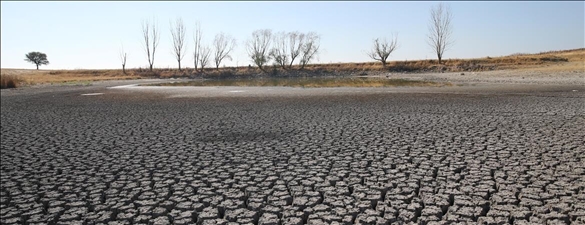
In regions with inadequate water management and rapid population growth, serious reductions in water resources are recorded due to the effects of climate change.
A country’s water stress level is calculated by considering its renewable and usable water potential. If the amount of water available per person exceeds 1,700 cubic meters, the country is not considered water-stressed. If this amount falls between 1,000 and 500 cubic meters, the country is classified as experiencing water scarcity. If the annual amount is below 500 cubic meters, this indicates absolute water scarcity.
Approximately 4 billion people, at least 50 percent of the global population, experience high water stress for at least one month each year. About 83 percent of the population in the Middle East and North Africa regions and 74 percent of the population in South Asia live under extreme water stress.
Even if global temperature rise is limited to between 1.3°C and 2.4°C by the year 2100, projections suggest that by 2050, 1 billion people will experience extreme water stress. Global water demand is expected to increase by 20 to 25 percent by 2050, and the entire population of Middle East and North Africa is projected to face extreme water stress.