UN food agency says global food prices rise 2.4% in March on higher energy costs


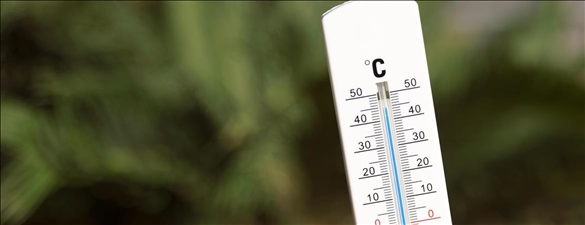
In the Pacific Ocean region stretching west to Australia and east to South America, sea surface temperatures are observed to be warmer than normal in some periods and cooler than normal in others. The warm phase is called El Niño; the cold phase is called La Niña. There is also a neutral phase where neither of these two phases occurs and normal conditions continue.
La Niña refers to periods when sea surface temperatures in the equatorial Pacific fall below normal.
Strong winds blowing across the central and east-central equatorial Pacific push warm surface waters from South America toward Indonesia. As this large mass of warm water moves, colder deep water rises toward the surface near the South American coast, acting as a climatic cooling mechanism in the region.
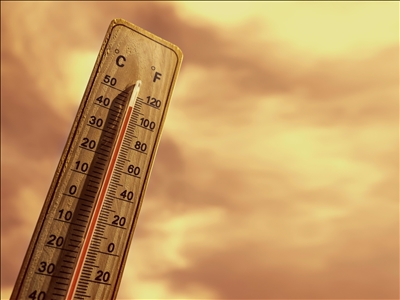
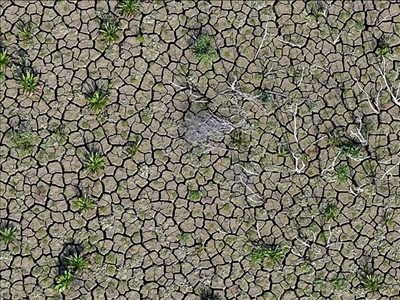
Oscillations such as La Niña and El Niño occur every 2 to 5 years and are not limited to changes in sea surface temperatures. Through their influence on atmospheric pressure, wind patterns, air temperatures and precipitation, they can lead to different seasonal changes across the world, triggering heatwaves, droughts, heavy rainfall and floods.