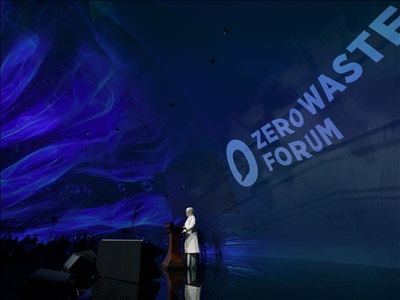
Zero Waste Forum kicks off in Istanbul


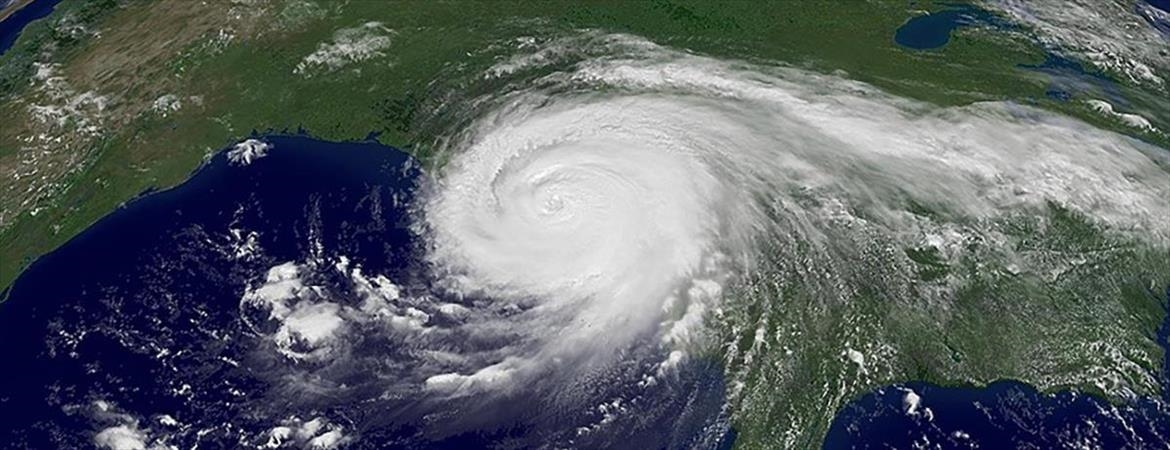
The name comes from Spanish and means “the boy”. It typically has a strong impact along the western coasts of South America.
El Niño is a climate pattern that disrupts normal weather conditions. It has global effects on weather, precipitation, wildfires, and ecosystems, and can lead to an additional global temperature increase of about 0.2 degrees Celsius in surface temperatures.
El Niño occurs every 2 to 5 years in the tropical and eastern Pacific Ocean. During this climate phenomenon, these regions, which normally experience cool and dry conditions, becomes warmer and wetter due to a shift of the Indonesian low-pressure system eastward, leading to lower pressure and rising air movements over the central and eastern Pacific.
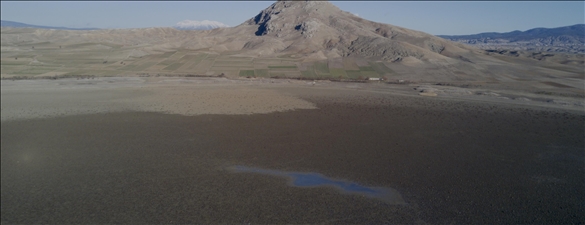
In the Eastern Mediterranean Basin and Scandinavia, El Niño years are generally drier due to a shift in the Atlantic cyclone formation southward and the Mediterranean cyclone formation northward. Similarly, El Niño periods in the Mediterranean Basin often correspond to dry conditions.