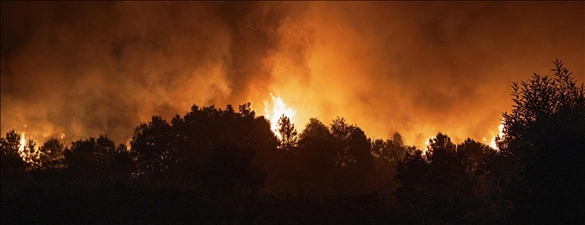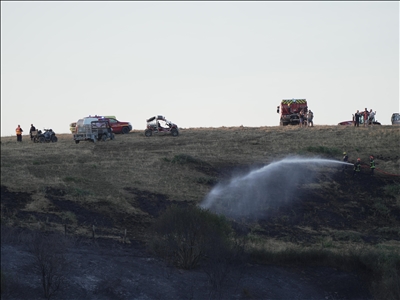
More than 1,000 hectares burned as wildfires continue in southern France


The 2025 report, titled “Lancet Countdown on Health and Climate Change,” examined the health risks posed by climate change using data from 124 countries.
According to the report, the impacts of climate change on human health have reached unprecedented levels, with data for 12 out of 20 indicators revealing the threats of climate change to health breaking records in recent years.
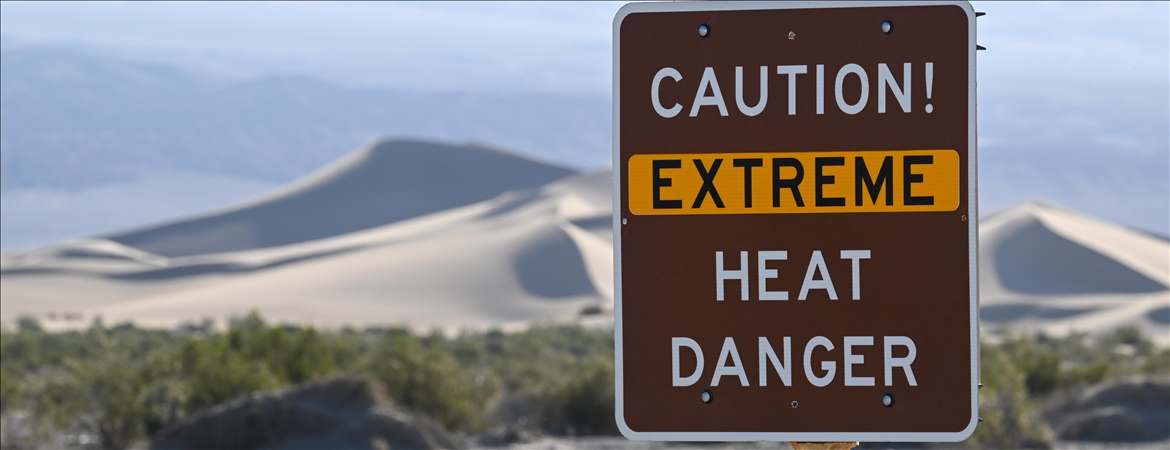
The number of days with heatwaves averaged 19 days per year between 2020 and 2024, and 16 of those days would not have been expected without climate change.
Among the most vulnerable groups, infants under the age of 1 were exposed to 20.5 days of heatwaves last year, while adults over 65 experienced 20.8 days. Compared to the period between 1986 and 2005, this indicates that infants were exposed to approximately 389 percentmore heatwave days, while adults have faced 304 percent more.
Partly due to rising numbers of climate-vulnerable populations, deaths caused by high temperatures increased 63 percent compared to the 1990s, reaching 546,000 between 2012 and 2021.
Extreme rainfall and drought
The report also highlighted the increasing severity of extreme weather events such as heavy rainfall and drought. The frequency of extremely rainy days that affect human health and cause natural disasters increased across 64 percent of the world’s land surface between 2015–2024 compared with 1961–1990, the report said.
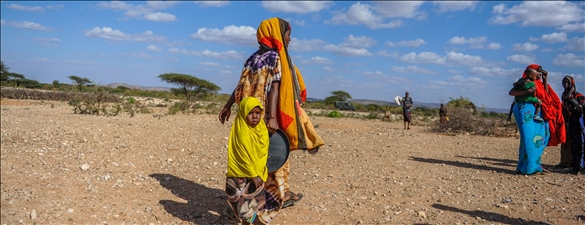
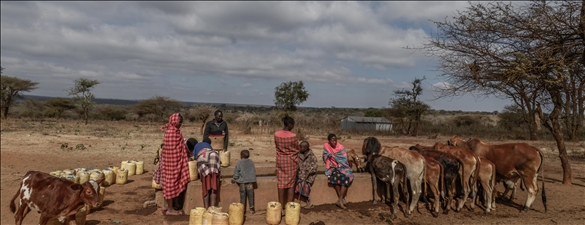
Last year, 61 percent of global land areas were affected by extreme drought. Compared to the 1950s, drought-affected areas expanded by 299 percent.
It was emphasized in the report that extreme temperatures cause changes in rainfall patterns and resulting droughts, threatening agricultural productivity, supply chains and the working conditions of agricultural workers.
Globally, an additional 123.7 million people experienced moderate or severe food insecurity, linked to the rise in heatwave days and drought months.
The report also noted that hot and dry climate conditions also increase wildfire risk. Last year, 154,000 people lost their lives due to air pollution from particulate matter (PM2.5) originating from forest fire smoke, reaching a record high.
Changing climate conditions are also increasing the threat of deadly infectious diseases. The transmission potential of dengue fever carried by the mosquito species, Aedes albopictus and Aedes aegypti, rose by 48.5 percent and 11.6 percent, respectively, between 1951–1960 and 2015–2024.
“Climate change affects not only nature but also human biology”
In an interview with Anadolu about the relationship between rising temperatures and human health, Dr. Tarik Mecit said climate change affects not only nature but also human biology directly.
Citing recent studies showing that more than 80 percent of the world’s population has beenexposed to at least one extreme heatwave in the past five years, Mecit said: “This effect causes heat stress in societies and triggers many physiological problems such as stress-related cardiovascular diseases, respiratory failure or disorders of excretory system.”
Mecit noted that the human body normally gives a physiological response to high temperatures.
“However, this physiological response itself is a source of thermal stress. The body tries to release heat through sweating or vasodilation. But since this balance is disrupted, heatstroke has become increasingly common in recent years. Heatstroke, dehydration or electrolyte imbalances… You often hear the advice ‘consume plenty of fluids’ and ‘stay hydrated.’ Thesecan lead to diseases that may result in cardiovascular failure. Especially in elderly individuals, the age-related loss of vascular elasticity, reduced sweating capacity, and chronic illnesses such as diabetes, hypertension, COPD or heart disease keep heat-related mortality rates very high,” he said.
Mecit highlighted that the body’s hemostatic balance, or overall physiological balance, has limits and the deaths caused by rising temperatures show that this limit has been reached.
Impact of climate change on Crimean-Congo Hemorrhagic Fever
Mecit warned that food production would decline and existing infections would spread rapidly if temperatures rose by 2.7 degrees by the end of the century. He pointed out that 150–200 deaths linked to Crimean-Congo Hemorrhagic Fever, especially in Sivas and the surrounding regions each year, are fundamentally driven by temperature changes related to climate change.
To avoid risks associated with high temperatures, Mecit advised paying attention to dehydration: “In other words, we need to ensure adequate fluid intake. We recommend drinking plenty of water and especially avoiding caffeinated and alcoholic beverages, which seriously harm cardiovascular health and lead to loss of vascular elasticity. Depending on working conditions, we recommend that those who work outdoors be especially careful during hot seasons and periods, particularly when the sun is at the highest point in the sky,”he concluded.