Only 13 countries met global air quality standards in 2025: Report


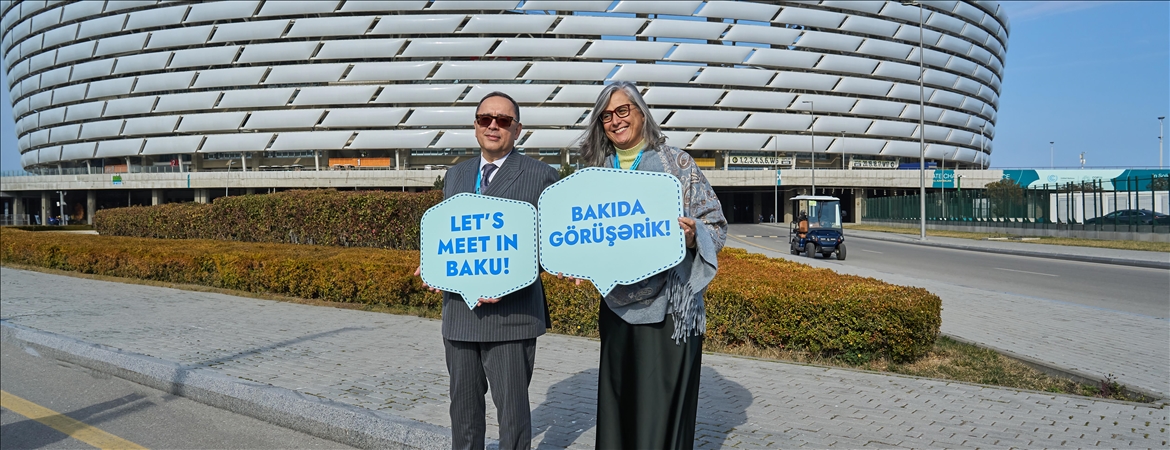
The 13th session of the World Urban Forum (WUF13), organized by the United Nations Human Settlements Program (UN-Habitat), will be held on May 17-22.
Organized in partnership with the Azerbaijan government, the forum will bring together thousands of participants from governments, academia, business, and civil society to discuss the challenges of sustainable urbanization.
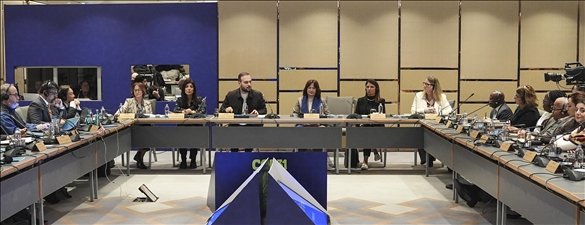
Ahead of the WUF13, Anaclaudia Rossbach, the UN-Habitat executive director, spoke to Anadolu about the forum’s schedule and main agenda.

The first forum took place in Nairobi, Kenya, in 2002. Since then, it has been held every two years in different cities around the world, with Baku hosting the 13th session this year. It “stems from a United Nations General Assembly resolution and brings the global urban community together to exchange ideas and best practices, and to build a critical mass around the importance of urbanization and its impacts,” Rossbach said.
She noted that they have been working closely with the host country Azerbaijan, adding that the previous forum drew 25,000 participants and that a similar or even a larger turnout is expected in Baku.
The World Urban Forum is not an intergovernmental negotiation, but a platform for stakeholders to interact under the UN-Habitat umbrella, Rossbach said.

Highlighting that the forum is the second-largest UN gathering after the COP (UN climate change summits), Rossbach said: “We expect the presence of stakeholders such as academia, local and regional governments, community leaders, organized constituencies, women, grassroots groups, and persons with disabilities to provide input to our work and mandate. They will also share examples of how civil society and academia in different cities and countries are addressing the challenges related to urbanization and the role of cities.”
Rossbach highlighted that this year’s forum is particularly significant as it marks the first year of implementing UN-Habitat’s new strategic plan, which focuses on access to housing and land, basic services, and challenges in informal settlements.

She said climate change is one of the key items on the agenda, adding: “Climate is one of the key areas of impact because we understand that addressing these issues supports positive policies on climate change. Building houses requires materials and infrastructure, which all generate emissions.”
Rossbach said this year marks a critical milestone as it is the 10th anniversary of the New Urban Agenda, adopted in Quito, Ecuador, in 2016, adding that member states will review the past decade and set priorities for cities for the next 10 years.

Stressing the importance of climate change on the agenda, Rossbach said: “It also precedes COP31 (in November), and we all know how relevant the climate agenda is for the survival of our planet. We hope to have stakeholders there who can benefit from advancing the housing agenda. With more than 1 billion people living in slums, homelessness, and critical affordability gaps worldwide, we are facing a global housing crisis. The forum will provide a space to share practices and help stakeholders understand how the housing crisis is being addressed in different regions.”
Stakeholders to play active role throughout the forum
Rossbach also said all stakeholders can contribute to the review of the New Urban Agenda and support UN-Habitat by contributing to the creation of coalitions for its implementation.
The forum will feature discussions on climate and other issues, with most events organized by partners rather than UN-Habitat, she noted.
Stakeholders can participate, host their own events, build professional networks, and share their work through platforms such as the World Urban Forum Academy and the Practices Hub, she added.
Rossbach said a meeting with ministers will also be held in Azerbaijan's capital Baku.

“Ministers will come together to discuss the challenges of the New Urban Agenda, including climate, resilience, sustainability, the housing crisis, and finance-related issues. For the first time, the forum will feature a Practices Hub, a key innovation requested by cities, member states, and other stakeholders, to showcase how cities and national governments are addressing the housing crisis in relation to climate challenges.”
Rossbach said the World Urban Forum also serves as an important milestone ahead of the July 16-17 High-level Meeting on the Review of the New Urban Agenda at the UN General Assembly in New York, noting that intensive preparations are underway in terms of content, operations, and stakeholder participation.