Melike Pala
25 March 2026•Update: 25 March 2026
BRUSSELS
The European Commission on Wednesday called on member states to increase support for energy‑poor and vulnerable households, as geopolitical tensions continue to pressure global fossil fuel markets and push energy prices higher across the EU.
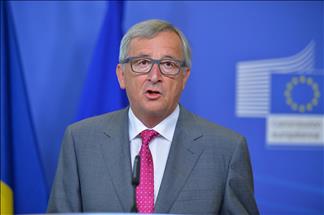
Dan Jorgensen, European commissioner for energy and housing, told the European Parliament in Brussels that immediate action is needed to protect citizens and ease electricity costs, especially for those most affected by rising energy bills.
"We strongly encourage member states to support energy-poor and vulnerable households by providing emergency income support to those who need it, by acting to reduce excise duties on electricity, and by implementing further safeguards to prevent consumer disconnections," Jorgensen said.
The commissioner emphasized that member states must fully harness the tools available under the EU's citizens' energy package to help consumers benefit from competition and lower prices.
This includes supporting households and businesses to switch to cheaper energy contracts, increasing the flexibility with which consumers use electricity, and empowering citizens to produce and share their own clean energy.
On tax policy, Jorgensen stressed that it is up to member states to ensure that electricity is taxed less than fossil fuels, a step he said would reduce the tax burden on households and encourage the shift to cleaner energy sources.
"We need to lower tax rates on electricity. It is up to member states to make sure that electricity is taxed less than fossil fuels," the commissioner stressed.
He underlined that the commission stands ready to work closely with member states on national schemes to mitigate fuel cost impacts on electricity generation, while ensuring long‑term investment signals for clean energy.
"We must double down on our path to energy independence," Jorgensen said, adding that the bloc will continue to push forward its clean energy agenda.
The regional escalation in the Middle East has continued since the US and Israel launched a joint offensive against Iran on Feb. 28, so far killing more than 1,340 people, including then-Supreme Leader Ali Khamenei.
Iran has retaliated with repeated drone and missile strikes targeting Israel and Gulf countries hosting US military assets.
The Strait of Hormuz has also been effectively throttled since early March. Around 20 million barrels of oil normally pass through it daily, and its disruption has driven up shipping costs and pushed global oil prices higher.