Burc Eruygur
15 July 2026•Update: 15 July 2026
The Kremlin on Wednesday dismissed Lithuania's warning that Russia may be preparing attacks on critical infrastructure in the Baltic states, calling the claims a new batch of "horror stories."
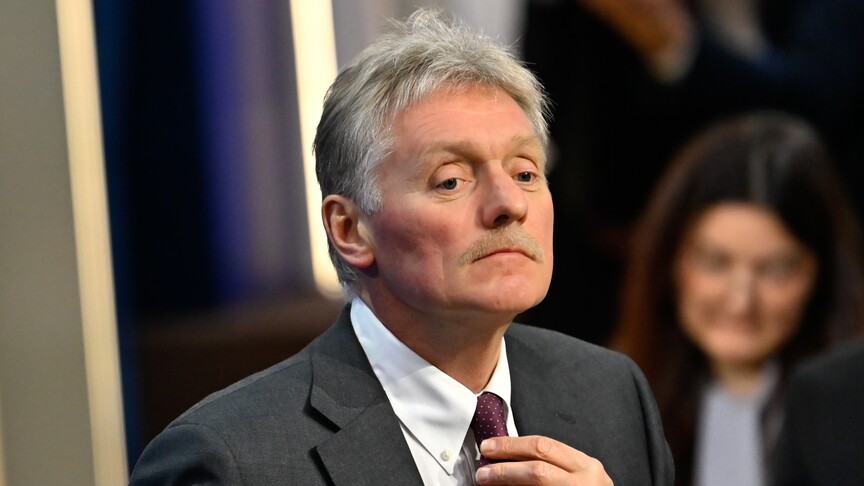
"This is precisely a fresh batch of such horror stories in order to continue brainwashing and prepare the population for further militarization," Kremlin spokesman Dmitry Peskov told reporters in Moscow, responding to recent remarks by Lithuanian President Gitanas Nauseda.
"To do this, they need to create an image of an enemy in some other country -- in this case, ours -- and, under this guise, as they say, continue to pull NATO's military infrastructure in all its manifestations into the Baltic countries," Peskov added.
His comments came after Nauseda said earlier Wednesday that Lithuanian intelligence had received indications Russia was planning limited "kinetic" operations targeting critical infrastructure in Lithuania and other Baltic states, although no specific locations or timing had been identified.
Nauseda said the attacks could take various forms, including sabotage or drone strikes.
Peskov also said the Kremlin continues to receive signals through existing communication channels that the United States remains willing to help mediate a settlement in Ukraine after addressing the conflict involving Iran.
‘No time’
"Judging by our ongoing channels of communication … we are constantly receiving signals that the Americans are still prepared, once their problems are more resolved, to continue to provide their services as mediators in terms of a Ukrainian settlement," he said.
He said Washington is currently preoccupied with developments in the Middle East.
"To our mutual regret, the situation in the Persian Gulf region is far from stable and, on the contrary, has once again entered a phase of degradation, which cannot but cause such global concern," Peskov said.
"Therefore, the Americans have no time for a Ukrainian settlement right now," he added.
Peskov also said Russia is closely monitoring US statements on possible sanctions and denied that Moscow had sent any messages to Ukrainian President Volodymyr Zelenskyy through Serbian President Aleksandar Vucic, who visited Kyiv earlier Wednesday.